
Home / All
Our Blog
Coil Handling Equipment Blogs
 What Drive Power Does an NC Straightener Feeder Need?Sep 18,2026Three arithmetic steps turn strip width, thickness, yield strength, modulus and line speed into a required motor output. Worked through on 3.0 mm HSLA 420, then tested against six sensitivity cases and two boundaries where the method stops being useful.
- How Do You Specify a Decoiler for a Coil Line? Capacity, Type, Mandrel and ControlSep 18,2026A decoiler is sized by the coil, not by the press. This guide runs the specification in the order that works: the six coil numbers that set capacity, how weight and width cap the frame, when hydraulic braking earns its cost, what the mandrel interface has to hold, and where a correctly specified machine is still the wrong answer.
- How Do You Hit a Flatness Spec on a Coil Line? Roll Count, Pitch, Gap and PenetrationSep 18,2026Flatness is the one straightener output nobody puts a number on until the reject bin fills up. This guide works from the I-unit target backwards: the seven settings that decide flatness, which of them are bought rather than adjusted, how many rolls a thickness and grade actually needs, how penetration should be distributed, and where common setup mistakes show up on the balance sheet later.
- How Do You Hold Feed Accuracy on a Coil Line? An Error Budget From Decoiler to DieSep 18,2026Feed accuracy is not a single number from a specification sheet. It is a budget shared by servo positioning, roll slip, loop and back tension, lateral position and pilot release timing. This guide breaks down the error sources by typical contribution and cost of reduction, explains what the servo axis can and cannot control, and sets out the verification tests that predict line behaviour.
- Why Do NC Straightener Feeder Specs and Output Differ?Sep 17,2026One job shop's order, from the four quotations it compared to the machine it bought a year later. A stepped speed test shows exactly where a quoted feed accuracy figure stops matching what the floor delivers.
- How to Set Up Die Protection on a Coil-Fed Press?Sep 17,2026A short feed of 6 mm is enough to destroy a rebuilt die. This five-step setup sequence covers sensing points, wiring into the press control, timing the stop against pilot release.
- What Causes Coil Telescoping on a Decoiler?Sep 17,2026When wraps step out into a cone, the decoiler is usually where the fault becomes visible rather than where it started. Four causes account for nearly every case, and two of them have nothing to do with the machine.
- How Much Torque Does an NC Servo Feeder Motor Need?Sep 17,2026A four-input calculation that any engineer can run in ten minutes, worked through on a 2.0 mm strip. It also shows the point where a larger motor stops buying anything, because the limit has moved to grip force rather than torque.
- Can a Five-Roll NC Straightener Feeder Handle 4 mm?Sep 17,2026Five, seven and nine-roll heads compared on thickness range, flatness and surface quality. The answer depends on roll diameter rather than roll count, and a nine-roll head built with small rolls is the wrong machine for heavy gauge.
- Is Your NC Servo Feeder Roll Gap Set Too Tight?Sep 16,2026Why an over-tight roll gap degrades accuracy instead of improving it: the four signs of over-clamping, gap multipliers by material and thickness, a five-minute verification at the machine, and three problems that only look like gap faults.
- How Much Roll Penetration Suits an NC Straightener Feeder?Sep 16,2026Measured data on roll penetration in a five-roll straightener cassette: why the entry-to-exit gradient matters more than depth, where the flatness minimum sits, how the extra depth costs roll life.
- What Does an NC Straightener Feeder Cost to Run?Sep 16,2026What an NC Straightener Feeder costs to run: the four cost lines behind more than 90% of lifetime cost, why power is smaller than buyers expect, how downtime becomes the largest number on the sheet, how to build a one-page payback case, and five contract points that decide running cost before commissioning.
- Do You Need an NC Servo Feeder or a Roll Feeder?Sep 16,2026A practical comparison of roll feeders and NC servo feeders: the single mechanical difference that drives every other trade-off, a capability table by requirement, the four costs that never appear on a quotation.
- How to Thread a Coil onto a Decoiler Safely?Sep 16,2026A field-tested coil threading procedure: the five checks to complete before the coil is lifted, the seven-step threading order that keeps hands out of pinch points, why the strip end causes most damage.
- How Does an NC Straightener Feeder Affect Power Supply?Sep 15,2026What a coil line really draws from the supply, how to size the transformer and feeder cable, and why voltage sag shows up as a feed accuracy problem rather than an obvious shutdown.

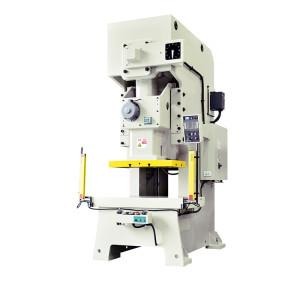
Are you looking for a reliable manufacturer of metal coil processing equipment?
subscription
Or send us messages online !
- *Phone
- *Title
- *Content