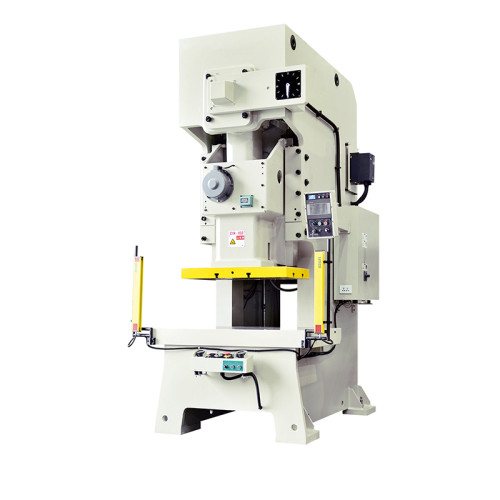
What Does an NC Straightener Feeder Cost to Run?
NC Straightener Feeder running cost is the number most buyers never model. A 3-in-1 unit that lists at USD 42,000 typically burns between USD 6 and USD 14 per operating hour once you add power, consumables, wear parts and the production you lose every time it stops. Across a two-shift year that running figure can quietly approach the purchase price itself.
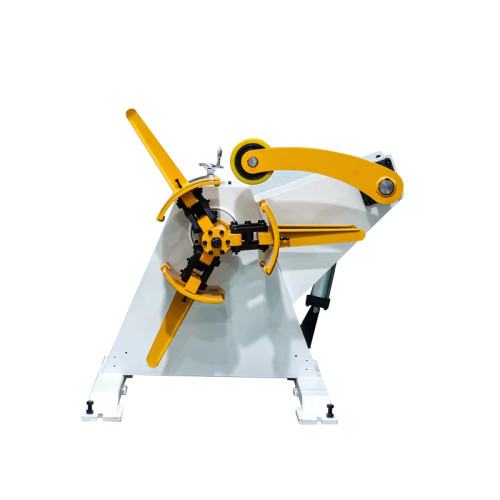
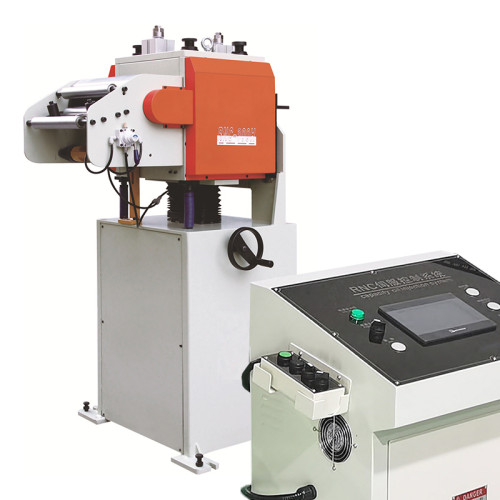
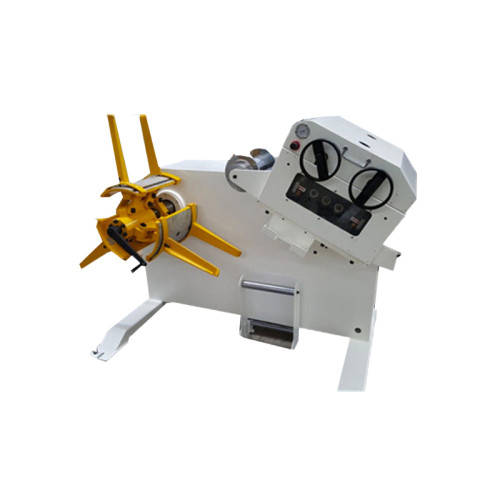
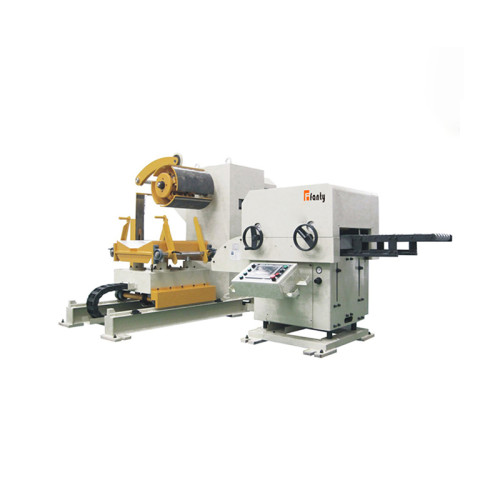
This guide splits the total into four lines you can actually control, shows how to build a payback case on a single page, and lists what to settle in the contract before you sign. If you are still choosing the machine size, start from the NC Straightener Feeder range first — running cost follows the size you pick.
The Four Cost Lines That Actually Matter
Ask ten plants what their feeder costs to run and most will quote the power bill. Power is real, but it is rarely the largest line. The four lines below cover more than 90% of the lifetime cost of a coil-fed line, and only one of them appears on a utility invoice.
| Cost line | Typical range | What drives it |
|---|---|---|
| Electrical power | USD 0.4 – 0.9 / hour | Installed power, duty cycle, number of shifts |
| Consumables and wear parts | USD 1.2 – 3.0 / hour | Roll surface quality, strip surface, lubrication |
| Scheduled maintenance | USD 0.8 – 2.0 / hour | Service interval, technician cost, spare parts stock |
| Unplanned downtime | USD 2.0 – 9.0 / hour | Line output value, recovery time, spares on hand |
Two plants running the same machine can land at opposite ends of these ranges. The difference is almost never the equipment. It is how the line is set, fed and maintained, and all three are inside your control from the day the machine is commissioned.
Power: Usually Smaller Than Buyers Expect
Take a 3-in-1 decoiler straightener feeder with a 5.5 kW straightener motor, a 2.2 kW hydraulic power unit and roughly 0.5 kW of control and servo electronics. Nameplate total is 8.2 kW, but almost nothing runs at nameplate. Averaged over a real production cycle the load sits near 5 kW.
At 0.12 USD per kWh and 4,000 operating hours a year, that is about 20,000 kWh, or USD 2,400 annually. Per hour, power costs roughly USD 0.60. Even if you double the tariff, power stays under a dollar an hour. It matters at the annual scale, but it will never decide whether the machine pays for itself.
What does shift the number is the duty cycle. A line that idles between coils with the hydraulics running at full pressure spends more on standby than on feeding. Setting the pump to unload once the accumulator is charged, and stopping the line instead of idling it through long changeovers, is often worth more than any efficiency upgrade a supplier can offer.
Consumables and Wear: The Quiet Line
Wear costs do not arrive as one invoice. They arrive as a set of small decisions, and they are the easiest line to let drift. The items below cover the bulk of it on a typical line.
- Straightener roll surfaces — chrome-plated or hardened rolls typically hold tolerance for 18 to 30 months. Resurfacing costs far less than replacing, but it has to be scheduled before flatness drifts.
- Feed roll grips — coated or knurled surfaces wear with tonnage, not with calendar time. Track them by strokes, not by months.
- Hydraulic seals and filters — a seal set is cheap; the oil that leaks past a worn seal onto the floor is not, and neither is the coil that slips when pressure drops.
- Brake pads and mandrel segments — these fail slowly, which is exactly why they get ignored until the coil runs on and the loop collapses.
- Lubricant consumed by the process — a dry strip raises roll wear on both the straightener and the die, so cutting lubricant to save cents rarely saves anything.
Add those up and most lines sit between USD 1.20 and USD 3.00 per hour. The spread comes from how the machine is used: a line running oily, pre-lubricated strip at moderate tonnage wears far more slowly than one running dry, hard strip at maximum pressure.
Downtime Is the Largest Number on the Sheet
This is the line finance rarely sees and production feels every day. If a press line produces 200 parts an hour at USD 0.75 gross margin, one hour of unplanned stop is USD 150 of contribution gone, and that ignores the labour still on the clock and the truck waiting at the dock.
Now apply it to a realistic figure. A feeder without spare rolls, a spare brake and a stocked seal kit typically loses two to three times more hours a year to feed-related stops than one that keeps those parts on the shelf. Ten extra hours a year is USD 1,500. Thirty is USD 4,500. Spread across 4,000 operating hours, that is the difference between USD 0.4 and USD 1.1 an hour, purely from what sits in the maintenance cabinet.
The conclusion is uncomfortable for anyone optimising purchase price: the spare parts you decline at order stage are almost always cheaper than the downtime they eventually cause. A USD 600 roll set that prevents a three-day wait for air freight has already paid for itself the first time it is needed.
Building the Payback Case in One Page
Finance does not want a technical story. They want four numbers on one page, and running cost is what turns a capital request into an approved line item.
Start with the saving the machine creates, not the cost it carries. A feeder that replaces manual coil handling and hand feeding usually removes two operators from the line, removes the scrap caused by inconsistent feed length, and lifts throughput because the press no longer waits for the operator. On a single-shift job shop those three effects often total between USD 25,000 and USD 60,000 a year. Against a machine that lists at USD 42,000 plus roughly 8% of that in running cost, payback lands between 10 and 20 months.
Present the running cost honestly next to that. A sheet that shows labour saved, scrap avoided and throughput gained, then deducts power, consumables, maintenance and expected downtime, is far more credible than one that shows only a purchase price and a hopeful number. Buyers who model running cost get fewer surprises at the twelve-month review, and they usually get the second machine approved faster because the first one delivered what the sheet promised.
What to Settle Before You Sign
Running cost is decided at the contract stage far more than most buyers realise. Five points are worth the conversation.
Wear part pricing with a validity period. Ask for a priced list of rolls, grips, seals and brake pads, and ask how long those prices hold. A machine that is cheap to buy but expensive to keep running is a trap, and the trap closes three years after commissioning when there is no alternative supplier for the part.
A defined commissioning scope. Confirm who sets the straightener recipes, who trains the operators, and how many days of on-site support are included. Ambiguity here turns into paid service days at the worst possible moment, which is the first production week.
Spare parts recommended at order, priced as a package. Builders know which parts fail first on their own machine. Buying that package at order is normally cheaper than buying the same parts individually later, and it takes the shipping delay out of the first breakdown.
Response time, not just warranty length. A two-year warranty that takes three weeks to dispatch a part is worth less than a one-year warranty with a guaranteed 48-hour response. Put the response time in writing.
Documentation and a maintenance schedule. The running cost you modelled only holds if the schedule is followed. Ask for it in the local language, with intervals tied to operating hours rather than calendar months, so the plan matches how the line actually runs.
Does running cost change much between a separate decoiler straightener and a 3-in-1 unit?
Yes, and usually in favour of the 3-in-1. It removes two strip transfer points, which means fewer guides to wear, less floor space to heat and light, and one drive system instead of three. The power difference is small; the maintenance and floor-space difference is not.
Which of the four cost lines can a plant control most directly?
Downtime. Power and wear parts are largely set by the machine and the material, but downtime is set by what you stock, how the operators are trained and whether the maintenance schedule is followed. It is also the largest of the four, which makes it the best place to act first.
Is a cheaper feeder ever the lower-cost choice over five years?
Occasionally, when the duty is genuinely light: one shift, narrow strip, soft material and a plant that already stocks its own spares. On anything approaching two shifts with hard or surface-critical strip, the cheaper machine usually loses on wear parts and unplanned stops within the first two years.
How long should a running cost model cover?
Five years matches most equipment depreciation schedules and captures at least one full roll and grip replacement cycle. Ten years is better for lines you intend to keep, but only if the throughput assumption is realistic rather than aspirational.
Want a running cost estimate for your own coil line?
Send the strip material, thickness range, coil weight and shift pattern. The FANTY engineering team — twelve years in coil feeding equipment, 370 staff and a 45,000 m² plant — will return a cost model built on your numbers rather than a generic sheet.