An Expert in Decoiler Feeder & Metal Coil Processing

Home / All / Decoiler / Hydraulic Decoiler

Hydraulic Decoiler

HYDRAULIC DECOILER

Hydraulic Decoilers for Heavy Steel Coil Unwinding

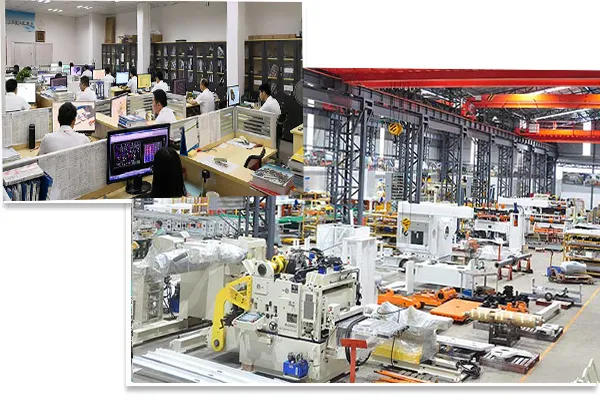
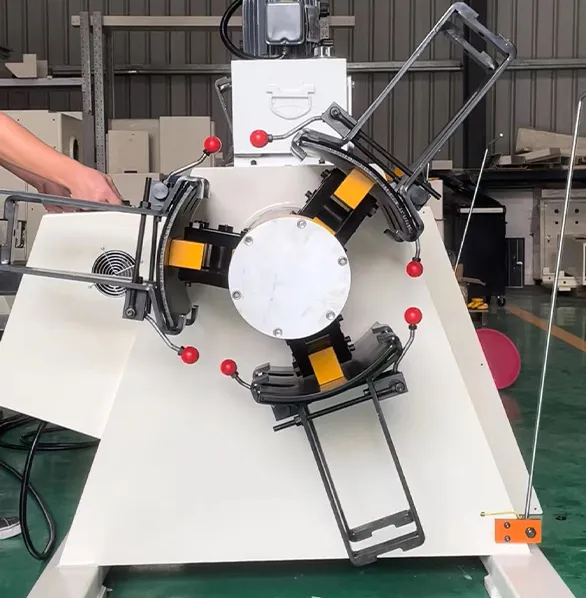
A hydraulic decoiler grips the inner diameter of a steel or aluminum coil with a hydraulically expanded mandrel and feeds the strip into a straightener, servo feeder, or punch press at a stable line speed. Coils from 3 to 20 tons can be held and unwound without manual wrenching, making coil changes faster and safer on progressive stamping lines. FANTY manufactures hydraulic decoilers in its own factory, and every machine is configured to the coil weight, width, inner diameter, and speed of the customer's press line.

3–20 t coils 200–500 mm widths Factory tested
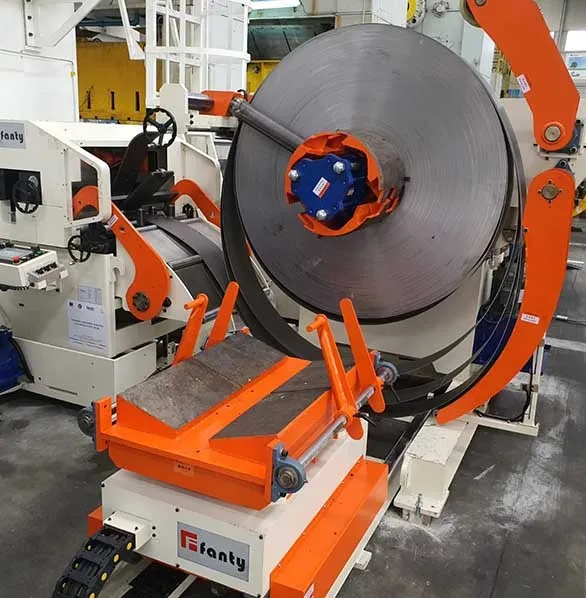
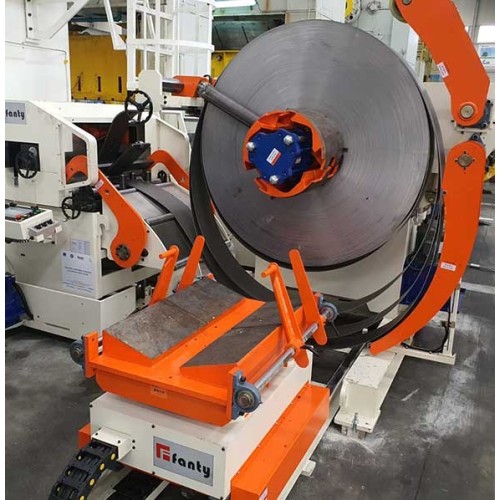
FANTY hydraulic decoiler holding a heavy steel coil in the workshop
Factory Direct
3–20 tcoil weight range
200–500 mmcoil width range
Factory testedevery unit run before packing
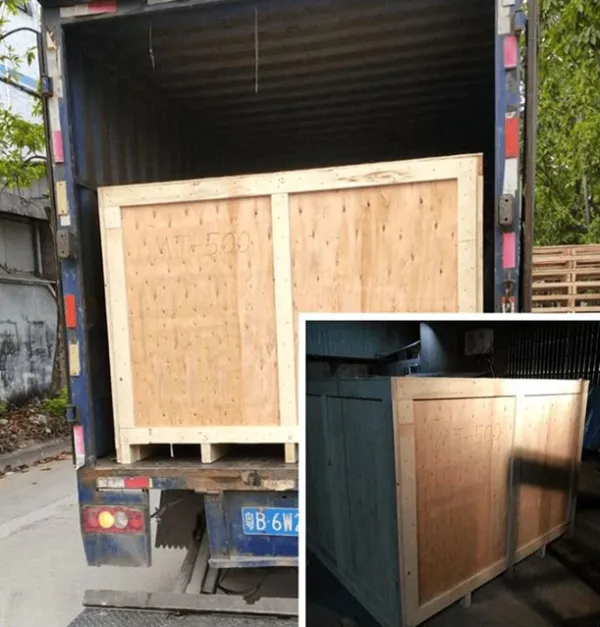
Export packingseaworthy wooden case
WHY BUYERS CHOOSE HYDRAULIC DECOILERS

What a Hydraulic Decoiler Does for Your Line

Hydraulic mandrel expansion

Grips the coil ID in seconds, eliminating manual tightening on heavy coils.

Stable unwinding tension

Protects the coil surface and keeps strip feeding consistent at line speed.

Optional coil loading car

Lifts coils from the floor to the mandrel, reducing crane dependency and operator risk.

Factory-configured builds

Cover 3 to 20 ton coils, 200 to 500 mm widths and custom specifications on request.

Browse the hydraulic decoiler models below, or tell our engineers your coil size for a tailored quotation.

3 results
ViewShowcase

HOW IT WORKS

How a Hydraulic Decoiler Unwinds Heavy Coils

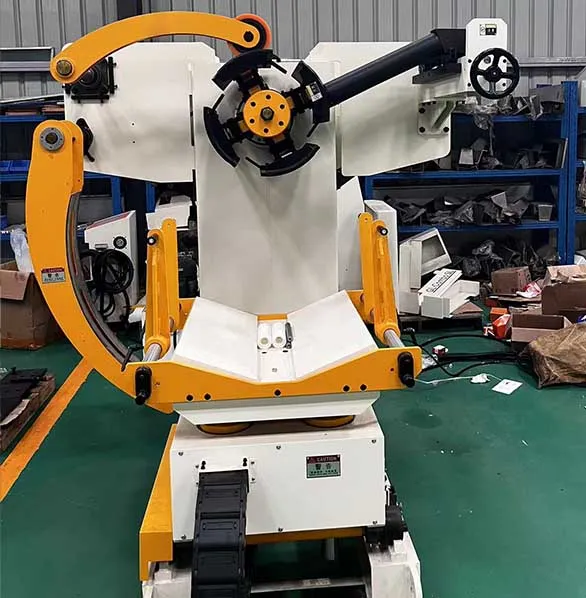
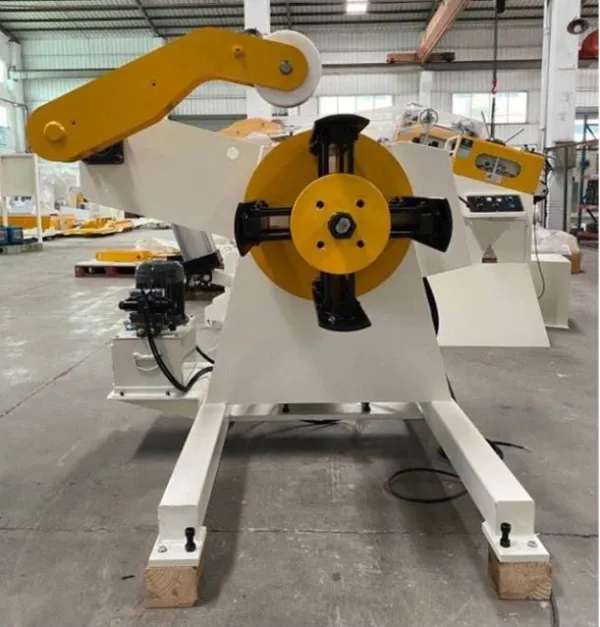
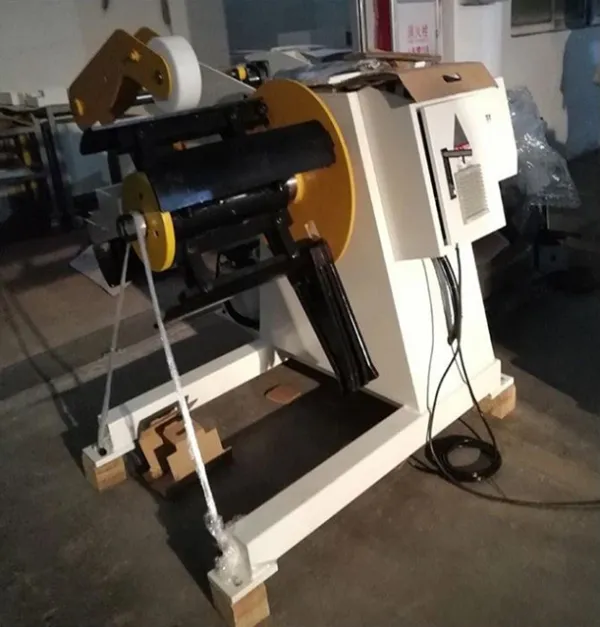
Hydraulic decoiler with hydraulic power unit on the workshop floor

Hydraulic power unit and expansion mandrel in our workshop

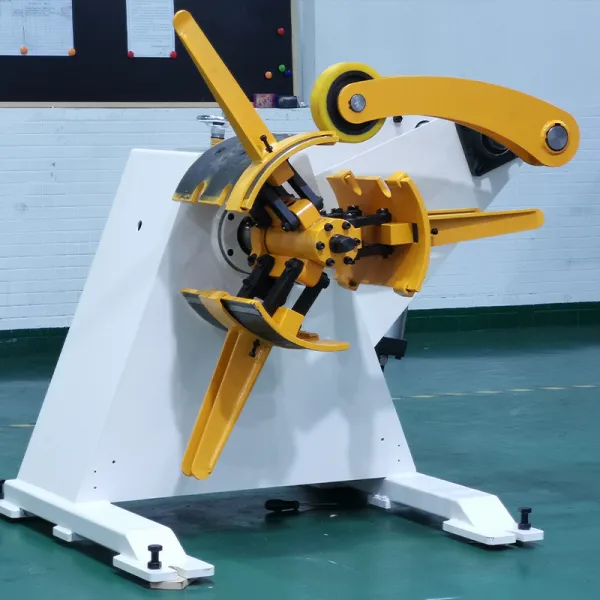
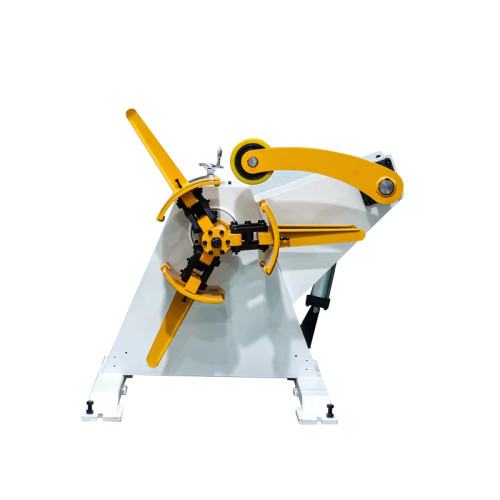
A hydraulic cylinder drives segmented mandrel blades outward until they press evenly against the coil's inner diameter. This positive grip lets the decoiler carry the full coil weight and rotate the coil as the press line pulls strip forward, while a braking or tension-control system keeps the strip taut between the coil and the straightener or feeder.

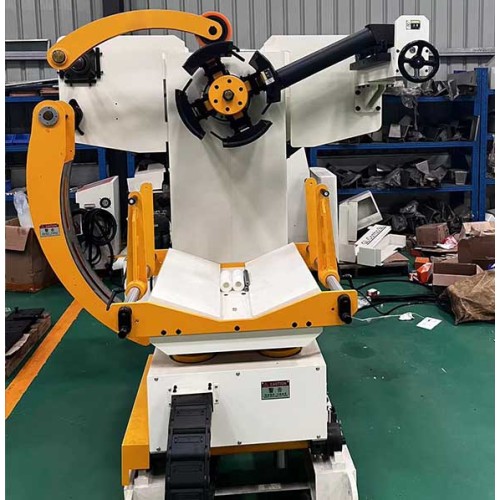
Because expansion force comes from hydraulics rather than manual bolts, one operator can load a multi-ton coil in a fraction of the time. When the coil is finished, the mandrel retracts, the tail is secured, and the next coil is positioned for a fast changeover. On heavy lines, an optional coil car raises the coil from the floor, aligns it to the mandrel center, and removes the need for repeated crane spotting.
Hydraulic expansion 3–20 t capacity Coil car option Factory run-test
CONFIGURATIONS

Typical Hydraulic Decoiler Configurations We Build

Coil weight Typical coil width Expansion type Typical press line pairing
3 t 200–300 mm Hydraulic expansion High-speed stamping with lighter coils
5 t 300–500 mm Hydraulic expansion Medium progressive and transfer lines
10 t and above 400–500 mm and wider Hydraulic expansion with coil car Heavy-duty, thick-gauge and long-run lines

Widths, inner and outer diameters, drive types and coil-car options are engineered to the customer's specifications. Tell our engineers your coil dimensions and line speed for a drawing-based quotation.

CORE FEATURES

Features That Protect Your Coil and Your Line

Hydraulic Expansion Mandrel

Even, high-torque grip on the coil ID prevents slippage and coil damage during acceleration and braking.

Tension and Speed Control

Strip tension is managed as line speed changes, reducing material distortion and surface marking.

Coil Loading Car Option

Safely lifts and centers coils up to rated capacity, shortening changeover and reducing manual handling.

Heavy-Duty Frame and Safety

Rigid frame construction, hold-down arms and guards support stable, operator-safe unwinding of heavy coils.

APPLICATIONS

Where Hydraulic Decoilers Earn Their Keep

Automotive Stamping

Brackets, structural and body parts produced from long, uninterrupted coil runs with dependable tension.

Home Appliances

Cabinet and component blanking where coil surface quality and feeding accuracy directly affect yield.

Hardware and Electronics

Terminals, clips and small precision parts where short changeover time keeps utilization high.

OUR PROCESS

From Inquiry to Installation: How FANTY Works

1

Inquiry and Specification Review

Share coil weight, width, ID/OD and material. Our engineers confirm the configuration that fits your line.

2

Engineering Proposal

You receive a layout and technical proposal covering dimensions, expansion range and optional extras.

3

Build and Factory Test

The machine is manufactured, assembled and run-tested in our factory. Video inspection is available.

4

Export Packing and Delivery

Machines are packed in seaworthy wooden cases and shipped with all necessary documentation.

5

Installation and After-Sales Support

Remote guidance, drawings and spare-parts support help your team commission and maintain the machine.

TRUST SIGNALS

Quality, Packing and Support You Can Verify

Factory-Direct Manufacturer

FANTY designs and builds decoilers, feeders and straighteners in-house, so you talk directly to the maker.

Run-Tested Before Shipping

Every unit is tested before packing; photos and video of your actual machine can be shared for approval.

Seaworthy Wooden-Case Packing

Export packing protects the machine for ocean freight and reduces the risk of transit damage.

Engineering Support

Our team answers technical questions before purchase and supports installation and spares afterwards.

FAQ

Hydraulic Decoiler Frequently Asked Questions

What does a hydraulic decoiler do?

A hydraulic decoiler holds a coil of steel or aluminum strip and unwinds it into a straightener or servo feeder at the front of a stamping line. Its hydraulically expanded mandrel grips the coil inner diameter so the coil can be braked, positioned and rotated reliably without slipping.

Which materials can a hydraulic decoiler handle?

FANTY hydraulic decoilers are commonly used with galvanized steel, cold-rolled steel, galvalume, aluminum and stainless strip. If you let us know the material, thickness and width, we will confirm the correct configuration and tension settings for your strip.

When is a hydraulic decoiler better than a manual one?

Choose hydraulic expansion when coils are heavy, changeovers are frequent, or operators should not manually tighten mandrels on large coils. Hydraulic models add investment but reduce changeover time and physical handling, which usually pays back on multi-ton progressive lines.

Can the machine be customized to my coil size?

Yes. Coil weight, width, inner and outer diameters, drive type and options such as a coil loading car are engineered to your specification. Send us your coil details and our engineering department will confirm a configuration and quotation.

How is the hydraulic decoiler packed and delivered?

Machines are secured and packed in seaworthy wooden cases for export, with the full set of documentation. Delivery method and lead time are confirmed on your order, and our team coordinates shipment details with you.

Can I inspect the machine before it is shipped?

Yes. We can arrange video inspection during factory testing and share photos of the finished machine. For detailed technical checks, contact our engineers and we will arrange the most practical option for your location.

VIDEO

See Hydraulic Decoiling on a Real Line

Get a Hydraulic Decoiler Quotation

Tell us your coil weight, width, material and line speed. The FANTY engineering team will reply with a recommended configuration and a quotation.

+86 150 1479 3070 fanty@sz-fanty.com

Follow us to Get Latest Updates

subscription