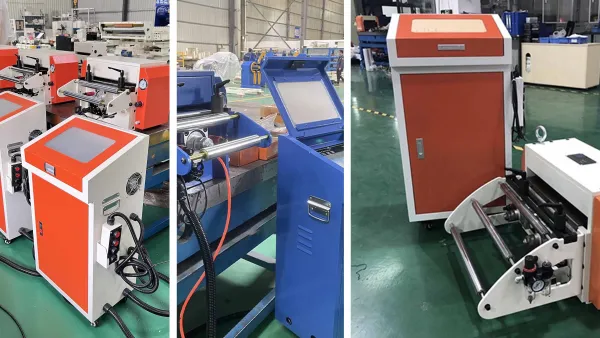
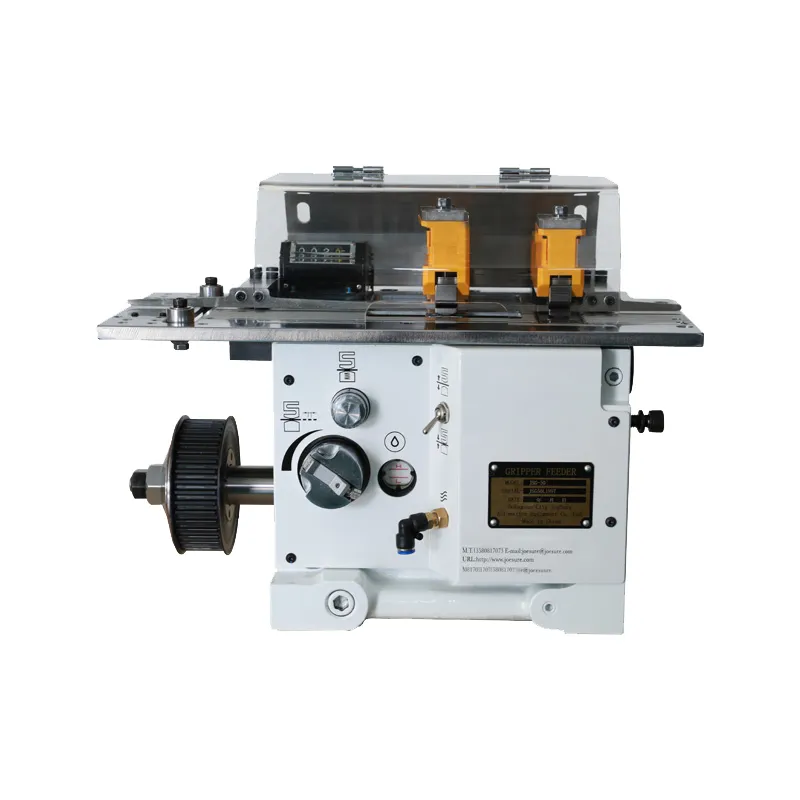
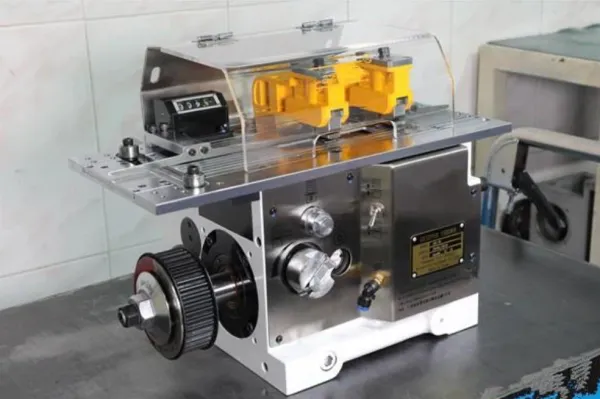
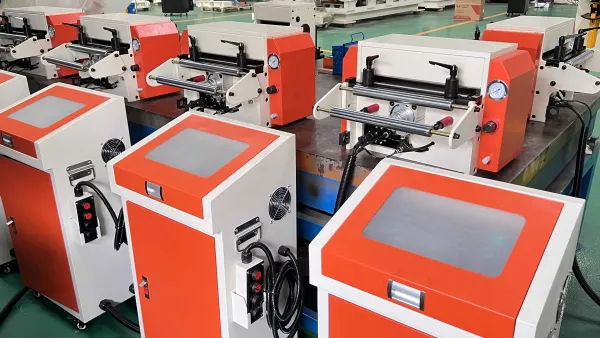
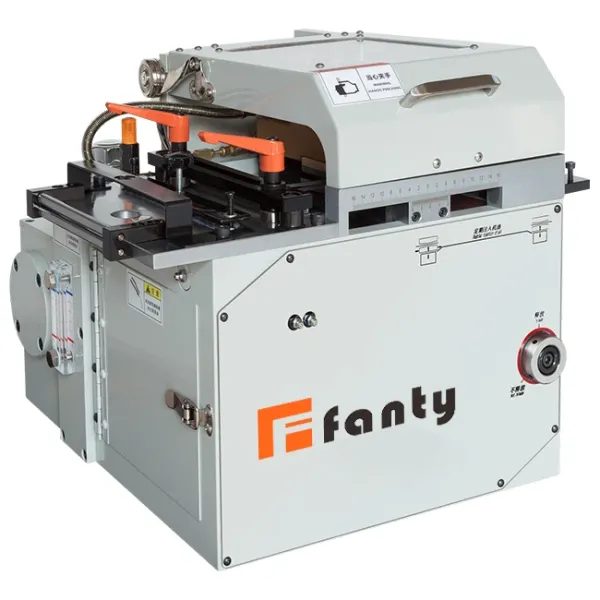
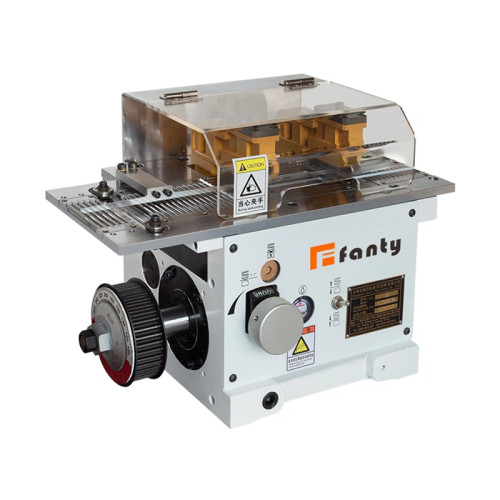
Steel strip exits the decoiler or straightener and enters the feeder. Hardened rollers or grippers clamp the material. A servo motor or mechanical cam advances the strip an exact pitch length, releases, and returns while the press performs the stamping cycle.
Gripper Feeder
Gripper Feeders for High-Speed Thin Material Feeding
A gripper feeder uses precision mechanical fingers to clamp and advance thin strip material at very high speeds. It is the preferred feeder for electronic terminals, connector pins and small precision stampings where material thickness is below 1.5 mm and feed accuracy must be within ±0.03 mm.
What a Gripper Feeder Does for Your Line
High-speed feeding
Matches press stroke rates up to 1,000 SPM while maintaining consistent pitch accuracy.
Precise pitch control
Servo or mechanical indexing keeps strip advancement within tight tolerances for quality parts.
Quick-release setup
Tool-less roller gap and feed-length adjustments reduce changeover time between jobs.
Durable drive train
Hardened rollers and sealed bearings are built for continuous production environments.
Gripper Feeder Models in Production
How a Gripper Feeder Works
Gripper feeder clamping thin strip for precision stamping
Typical Gripper Feeder Configurations We Build
| Parameter | Typical value |
|---|---|
| Model range | JSG series |
| Strip thickness | 0.1 – 1.5 mm |
| Strip width | Up to 150 mm |
| Feed accuracy | ±0.03 mm |
| Max speed | Up to 1,200 SPM |
| Drive | Mechanical cam |
| Voltage | N/A |
| Certification | CE, ISO |
Widths, inner and outer diameters, drive types and options are engineered to the customer's specifications. Tell our engineers your requirements for a drawing-based quotation.
Features That Protect Your Coil and Your Line
High-speed feeding
Matches press stroke rates up to 1,000 SPM while maintaining consistent pitch accuracy.
Precise pitch control
Servo or mechanical indexing keeps strip advancement within tight tolerances for quality parts.
Quick-release setup
Tool-less roller gap and feed-length adjustments reduce changeover time between jobs.
Durable drive train
Hardened rollers and sealed bearings are built for continuous production environments.
Where Gripper Feeders Earn Their Keep
Automotive stamping
Progressive-die parts for chassis, brackets and seat frames.
Electronics connectors
Tiny pitch terminals, pins and shielding strips.
Appliance parts
Washing-machine drums, refrigerator shelves and metal cabinets.
Metal furniture
Chair bases, table legs and shelving brackets from coil strip.
From Inquiry to Installation: How FANTY Works
Strip entry
Material is guided into the feeder from the upstream coil line.
Clamp & feed
Rollers or grippers clamp and advance the strip by the programmed pitch.
Press stroke
The press stamps while the feeder holds position.
Release & return
Feeder releases and returns to the start position for the next cycle.
Repeat
Cycle repeats at press speed for continuous production.
Quality, Packing and Support You Can Verify
Feeder production floor
Gripper feeder on workshop table
Feeder integrated with press line
Factory-Direct Manufacturer
FANTY designs and builds decoilers, feeders and straighteners in-house, so you talk directly to the maker.
Run-Tested Before Shipping
Every unit is tested before packing; photos and video of your actual machine can be shared for approval.
Seaworthy Wooden-Case Packing
Export packing protects the machine for ocean freight and reduces the risk of transit damage.
Engineering Support
Our team answers technical questions before purchase and supports installation and spares afterwards.
Gripper Feeder Frequently Asked Questions
What press types are these feeders compatible with?
Our feeders work with mechanical, hydraulic and servo presses. We match the feeder drive type and interface to your press model.
What is the maximum feeding speed?
Mechanical roll feeders reach up to 800 SPM. Servo feeders can exceed 1,000 SPM depending on strip length and thickness.
What feeding accuracy can I expect?
Servo feeders achieve ±0.05 mm. Gripper feeders reach ±0.03 mm for thin materials. Roll feeders are typically ±0.1 mm.
What strip thickness range is supported?
NC servo feeders handle 0.2–6.0 mm. Roll feeders suit 0.3–3.2 mm. Gripper feeders are ideal for 0.1–1.5 mm.
How is the feeder controlled?
Servo feeders use a touch-screen HMI with stored job recipes. Mechanical feeders synchronize through a press crank or flywheel linkage.
What maintenance is required?
Monthly lubrication of rollers and cam, quarterly belt tension check, and annual bearing inspection. We supply a maintenance schedule with each machine.
See Gripper Feeder on a Real Line
Get a Gripper Feeder Quotation
Tell us your requirements. The FANTY engineering team will reply with a recommended configuration and a quotation.
Or send us messages online !
- *Phone
- *Title
- *Content