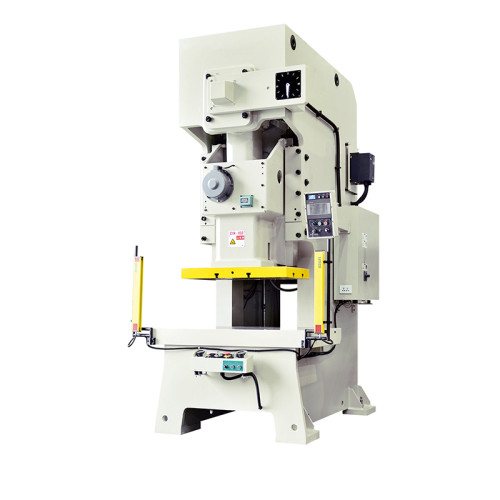
How to Improve Stamping Consistency with an NC Servo Feeder?
Inconsistent stamping output is one of the most expensive and frustrating problems in a press shop. One batch of parts comes out perfect, the next batch shows pitch deviation, burrs or dimensional drift, and your quality team cannot pin down the cause.
In the majority of cases we diagnose on customer lines, the root cause is not the die and not the press, it is the feeding system.
This guide explains exactly how an NC servo feeder eliminates the mechanical and electrical variables that destroy stamping consistency, and how you can verify the improvement on your own line with simple measurements.
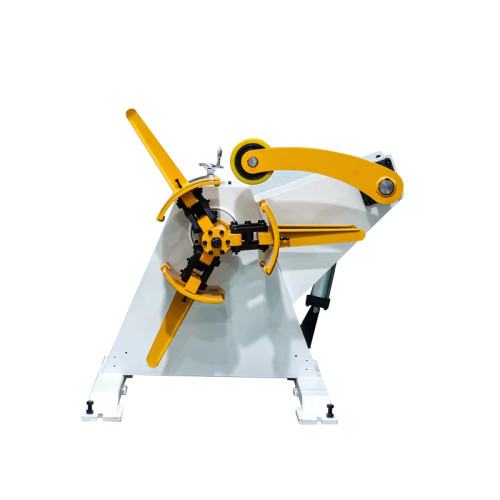
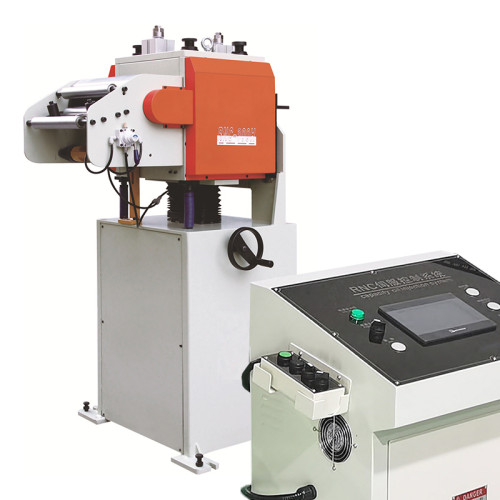
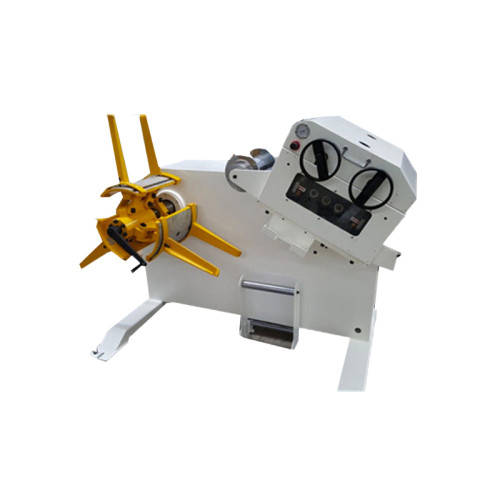
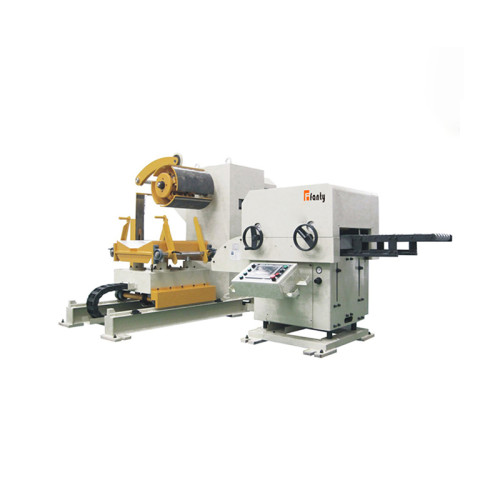
For a full look at the feeding stage, visit our NC Straightener Feeder product pages where you can compare servo feeder specifications for your press tonnage.
Why Stamping Output Drifts in the First Place
Every stamping line has natural sources of variability. The coil itself is not perfectly uniform: strip thickness can vary by a few microns from edge to center, hardness varies with coil position, and the strip carries residual stress from the rolling mill.
The press adds its own variables: slide speed changes slightly with temperature, clutch and brake wear changes timing, and the die wears unevenly over millions of strokes. Against this background, the feeding system is supposed to be the one perfectly repeatable element.
The moment the feeder starts to drift, however, it multiplies every other variable instead of cancelling it.
With a mechanical or pneumatic feeder, drift creeps in from many directions: cam wear changes the feed timing, air pressure fluctuation changes the grip force, and the length adjustment relies on cams and mechanical stops that cannot compensate for material thickness changes.
The result is that the strip is pushed into the die at a slightly different position on every stroke cycle, and the die punches parts that are slightly inconsistent. Over a shift, that small error accumulates into measurable scrap, die wear and rejected batches.
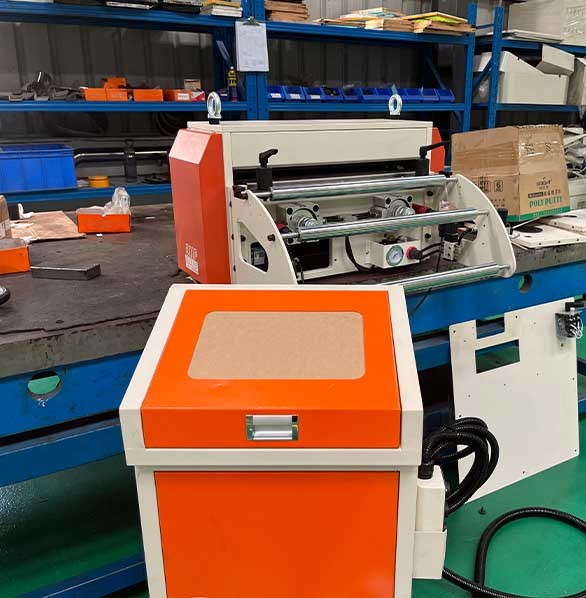
How an NC Servo Feeder Delivers Repeatable Feed Pitch
An NC servo feeder replaces mechanical cams and air cylinders with a digitally controlled servo motor that drives the feed rolls directly.
This digital repeatability is exactly what stamping consistency requires. When feed pitch is constant, the pilot holes land in the same position every stroke, the die punches cleanly, and the finished part dimensions hold within tolerance from the first part of the run to the last.
The difference is visible in the numbers: plants that switch from pneumatic feeding to an NC servo feeder routinely report scrap reductions of 30% to 60% on the same die, simply because the strip position no longer wanders.
Consistency Features Built into Modern Servo Feeders
Not all servo feeders are equal when it comes to consistency. Look for these specific capabilities when you evaluate a machine, because each one removes a different source of variation:
- Closed-loop encoder feedback. The controller compares commanded position with actual motor position continuously, so thermal drift and load changes are corrected in real time rather than accumulated.
- Press stroke synchronization. The feeder receives the press angle signal and moves in sync with the slide, eliminating the timing jitter that plagues independent-cycle feeders at high SPM.
- Programmable feed profiles. Acceleration, deceleration and speed curves can be tuned per job, so delicate materials are not shocked by sudden starts and stops.
- Job memory. Feed length, speed, material thickness and counter values are stored per job, so every rerun starts from the exact same setup instead of relying on operator memory.
- Alarm and monitoring logic. The controller detects feeding slips, material jams and motor overloads before they become scrap events, keeping the line consistent even when an operator is distracted.
Typical Consistency Improvements You Can Measure
To convince yourself, run a simple before-and-after test on your own line. Measure fifty consecutive parts from a pneumatic or mechanical feeder line, then measure fifty parts from an NC servo feeder running the same die and material. Track three numbers: feed pitch deviation, part weight variation, and burr height. The table below shows the range we typically see in this comparison across automotive and appliance stamping plants.
| Measurement | Pneumatic / Mechanical Feeder | NC Servo Feeder |
|---|---|---|
| Feed pitch deviation | ±0.3 to ±0.8mm typical | ±0.05mm controlled |
| Scrap rate on same die | 3–8% common | 1–2% after tuning |
| Die life between grinds | Baseline | Up to 40% longer |
| Setup time per job | 20–40 minutes | 5–10 minutes with job memory |
| Operator dependency | High, skill-based | Low, system-based |
| Consistency across shifts | Drifts with temperature and air pressure | Stable run to run |
Maintaining Consistency over the Long Run
Consistency is not a one-time setup; it is the result of a stable system maintained over time. The servo motor, rolls and controller will hold their performance for years, but only if the basics are respected.
When you choose a supplier, ask how the machine is built and tested. FANTY has produced servo feeding equipment for 12 years in a 45,000 square meter factory with 370 employees and more than 80 R&D engineers.
Every NC servo feeder is CE certified and has been proven on production lines in more than 60 countries; over 200 FANTY coil lines are currently running worldwide.
That experience shows up in the details: hardened feed rolls, oversized servo motors, robust frames and controls designed for the realities of a stamping shop, not a clean room.
If you want to see how an NC servo feeder would fit your press, send us your press tonnage, die thickness and feed length, and we will recommend the right model with the right consistency features.
Frequently Asked Questions
Can an NC servo feeder really hold ±0.05mm feed accuracy on a real production line?
Yes, when the machine is correctly sized and maintained. The closed-loop servo system measures motor position continuously, and the mechanical stiffness of the feed rolls converts that control accuracy into actual strip position. Real-world results depend on roll condition, material grip and alignment, which is why a proper setup procedure matters as much as the machine itself.
How quickly will I see consistency improvements after installing an NC servo feeder?
Immediately in most cases. Pitch deviation and scrap rate typically improve from the first batch because the digital feed eliminates the mechanical drift of cams and air systems. Full optimization, including feed profile tuning for your specific material, usually takes a few days of normal production.
Does an NC servo feeder improve consistency on short runs and frequent changeovers?
Significantly. Job memory stores the feed length, speed and thickness settings for every job, so a rerun starts from saved parameters instead of a manual setup. That removes the biggest source of run-to-run variation in short-run shops: the operator.
Do I need to change my die or press to use an NC servo feeder?
Normally not. An NC servo feeder is a drop-in replacement for the feeding stage on existing presses. It connects to the press control for stroke angle signals, and modern models offer several signal interfaces so retrofits are straightforward even on older presses.
Related reading
Part of the the coil line guide library — the full library of coil handling, straightening and feeding guides from FANTY.
Ready to Make Your Stamping Line Consistent?
Tell us your press tonnage, material and feed length, and our engineers will show you how an NC servo feeder improves your scrap rate and die life.
Request a Consistency Audit