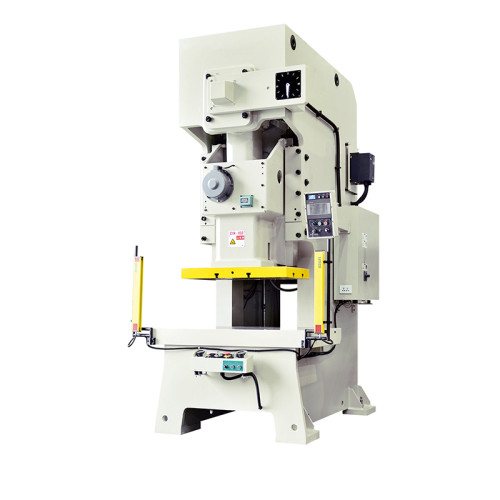
How to Thread Strip into an NC Servo Feeder Correctly?
Threading strip into an NC servo feeder looks like the simplest job on the line, yet it is where more straightening rolls get scratched, more feed rolls get damaged, and more operator minutes get wasted than anywhere else.
A strip threaded at the wrong angle, with a bent end, or through a misaligned gap can mark the roll surface, jam the feeder, and turn a two-minute changeover into a two-hour repair.
This guide covers how to prepare the strip end, how to thread it through the straightening rolls and feed rolls of an NC servo feeder step by step, the mistakes that damage the machine, and how automated threading works on high-volume lines.
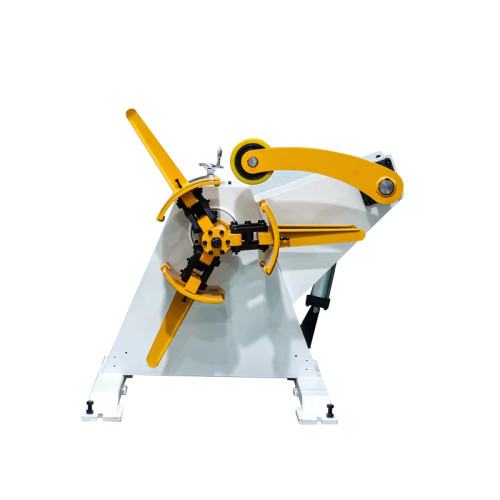
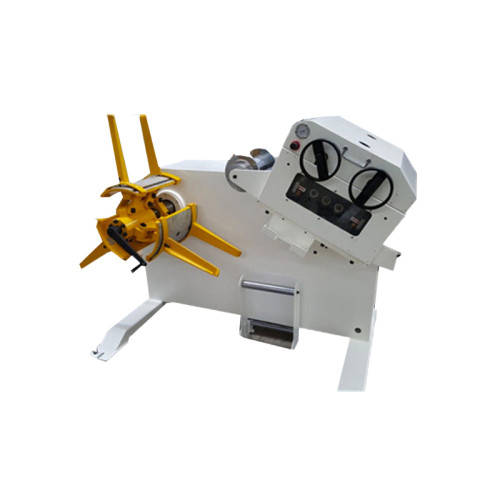
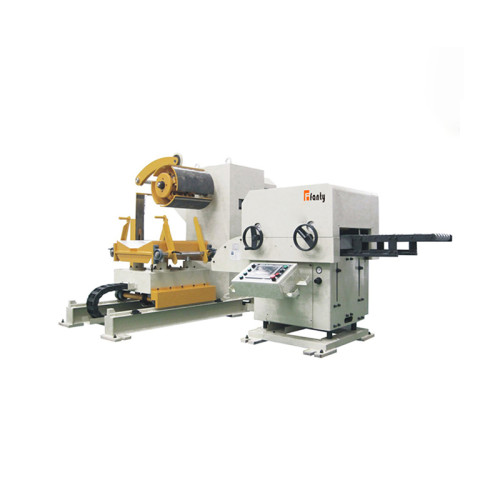
FANTY has built NC servo feeders and 3-in-1 decoiler straightener feeder lines for twelve years, with 200+ active installations in 60+ countries and a 45,000 m² factory staffed by 370 people and 80+ R&D engineers, and the procedure below is the standard we train every commissioning customer on.
Why Does Proper Strip Threading Matter for an NC Servo Feeder?
An NC servo feeder holds its ±0.05 mm feeding accuracy only when the strip passes through the machine cleanly.
The bigger picture is uptime. On a line that changes coils twice a shift, each threading job takes five to fifteen minutes by hand. Standardizing the procedure cuts that to a repeatable minimum, and adding an automatic threading table cuts it further. Over a year of two-shift operation, the minutes saved by good threading practice add up to full production shifts recovered.
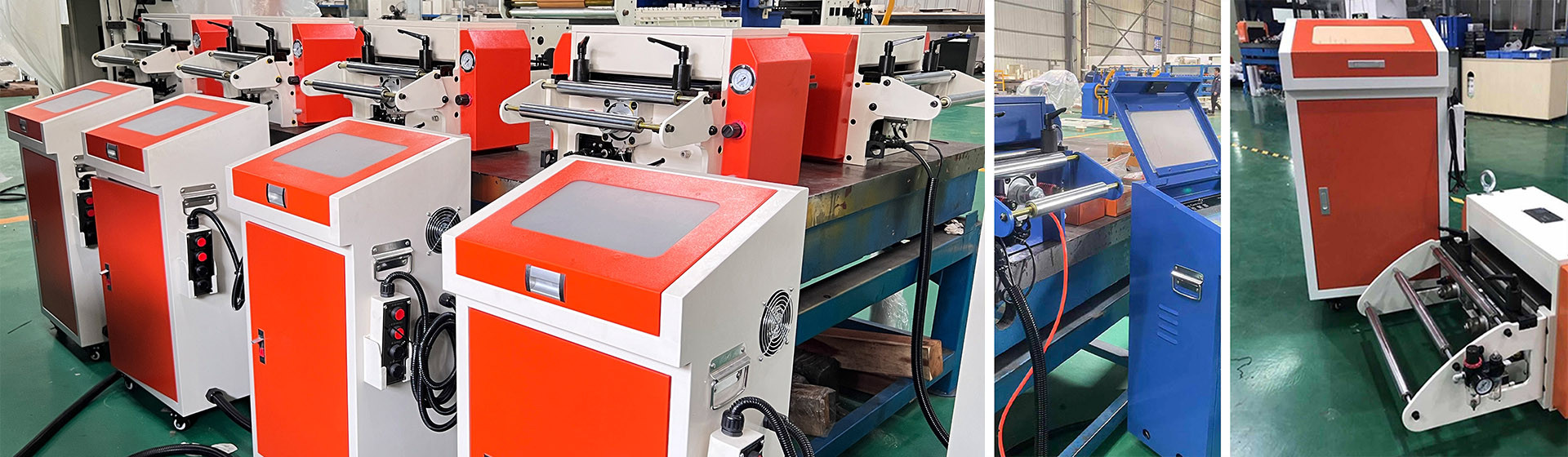
How Do You Prepare the Strip End Before Threading?
The condition of the strip end decides how smoothly the whole threading job goes. A rough, bent, or burred end will fight you at every roll gap. Prepare the end correctly and the strip will glide through the feeder like it was designed to.
- Cut the strip end square. Shear the first 200 mm of the coil end so the leading edge is square, not stepped or ragged.
- Deburr the leading edge. File or grind the burrs off the cut edge so they cannot scratch rolls or hang on guides.
- Flatten any bend. If the end has a coil-set bend, lightly flatten the first 100 mm with a straightening pass.
- Taper the tip for thin strip. For strip under 0.5 mm, cut a small taper on the tip so it enters roll gaps without folding.
- Check for edge cracks. Inspect the first metre for edge cracks or laps; a cracked edge can break during pay-off.
- Remove oil or debris. Wipe the strip end clean so oil does not make the feed rolls slip during the first cycles.
How Do You Thread Strip Through the Straightening Rolls?
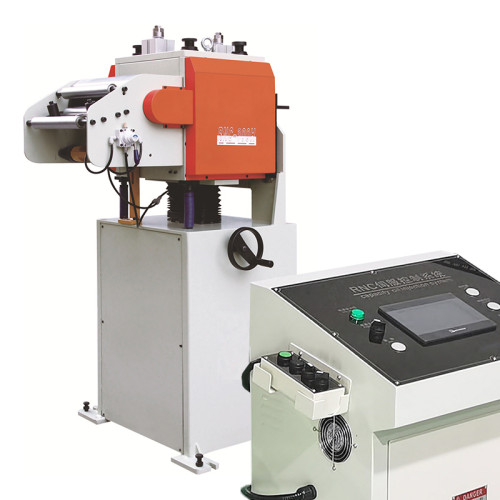
With the strip end prepared, follow the machine's material path in order: entry guide, straightener rolls, feed rolls, and exit guide. Never skip a station. First, open the straightener roll gap wide enough for the strip thickness, typically using the roll-lift lever or the adjustment handwheel; on a FANTY NC servo feeder, loosen the roll pressure and raise the upper roll bank. Second, feed the strip into the entry guide and push it gently forward until the tip reaches the first straightener roll pair. Third, lower the rolls and set the initial pressure to roughly half of the production setting, then jog the strip forward through each roll pair using the jog button, never pulling by hand. Fourth, when the tip reaches the feed rolls, open the feed roll gap, pass the strip through, and close the rolls with the standard clamping pressure. Fifth, jog the strip through the exit guide to the die entry, then set the final straightener pressure and feed roll pressure for the material. Finally, run a test feed of the full pitch length and confirm the strip tracks straight between the side guides.
If the strip will not advance when jogging, stop immediately. Forcing a jammed strip with the jog button can burn the servo or bend a roll shaft. Open the gap, check for a folded tip or a trapped burr, correct the end, and try again. A strip that fights you at the rolls is almost always a strip-end problem, not a machine problem.
Threading Mistakes That Damage an NC Servo Feeder
Every feeder shop has its own list of threading accidents. The table below collects the most common ones and how to prevent each.
| Mistake | What It Damages | How to Prevent It |
|---|---|---|
| Threading with a bent strip end | Scratches straightener rolls, jams feed rolls. | Shear and flatten the end before threading. |
| Forcing the strip through a closed gap | Bends roll shafts, marks roll surfaces. | Open the gap fully, jog, never force. |
| Threading with burrs on the edge | Grooves the rolls, marks all subsequent strip. | Deburr the leading edge every changeover. |
| Pulling the strip by hand | Operator cuts and pinches, strip kinks. | Use the jog button for all strip movement. |
| Wrong roll pressure at start | Strip slips or marks during first cycles. | Start at half pressure, set final after threading. |
| Skipping the entry guide | Strip enters at an angle, misaligns the line. | Follow the material path station by station. |
| Ignoring a jam and continuing | Servo overload, gearbox or roll damage. | Stop, open the gap, fix the end, restart. |
| Threading with hands near the rolls | Serious hand injuries. | Keep hands clear; use pushers and guides. |
How Do You Automate Threading on a High-Volume Line?
For plants that change coils more than four times a shift, manual threading is the bottleneck. FANTY offers automatic threading options on NC servo feeders and complete 3-in-1 decoiler straightener feeder lines.
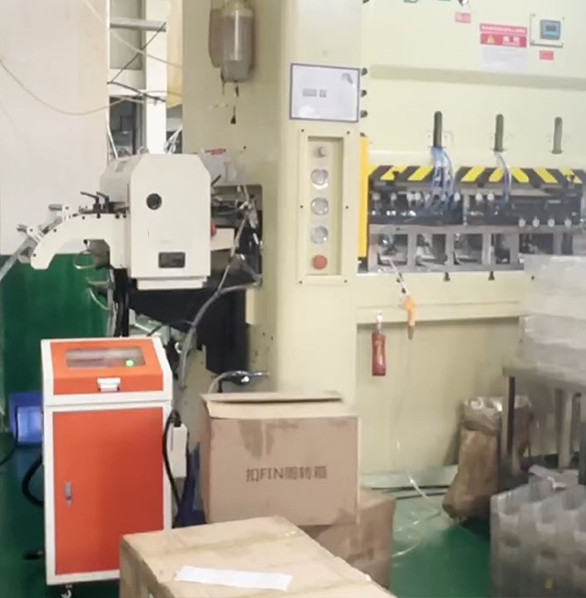 Automatic strip threading table feeding coil strip into an NC servo feeder on a high-volume line.
Frequently Asked Questions About Threading an NC Servo Feeder
How long should a coil changeover take on an NC servo feeder?
With prepared strip ends and the standard threading procedure, most operators finish in 5 to 10 minutes by hand. With automatic threading, the same changeover takes 2 to 3 minutes plus die alignment.
Why does my strip keep folding when I thread it?
A folded tip usually means the strip end is bent, the roll gap is too tight, or the strip is too thin for the gap setting. Shear the end square, flatten the tip, open the gap, and try again at low jog speed.
How do I know the feed roll pressure is correct?
Correct pressure is the minimum clamping that feeds the strip without slipping under full acceleration. Start with the material table in the manual, then confirm there is no slip mark on the strip surface at production speed.
Can I thread the strip while the press is running?
No. Always isolate the feeder and press, engage the emergency stop or safe mode, and confirm the press is not in auto cycle before any threading work. Never reach into the machine while it can move.
Is automatic threading worth it for a small shop?
If you change coils one to two times per shift, automatic threading is a convenience. If you change coils four or more times per shift, it typically pays for itself in operator time and fewer roll repairs within the first year.
What maintenance keeps threading trouble-free?
Keep the straightener and feed rolls clean and free of embedded debris, check the side guides for wear, and lubricate the adjustment screws monthly. FANTY includes a maintenance schedule and spare rolls kit with every NC servo feeder.
Your Strip Threading Action Plan
Threading is a procedure, and procedures live or die by training and tools. Shear and deburr every strip end before threading, follow the material path station by station, use the jog button instead of your hands, and stop at the first sign of a jam.
Related reading
Part of the the coil line guide library — the full library of coil handling, straightening and feeding guides from FANTY.
Thread faster and safer on every changeover.
Send your strip width, thickness, and changeover frequency. FANTY will recommend the right NC servo feeder and threading options for your line.
Get a Feeder Sizing