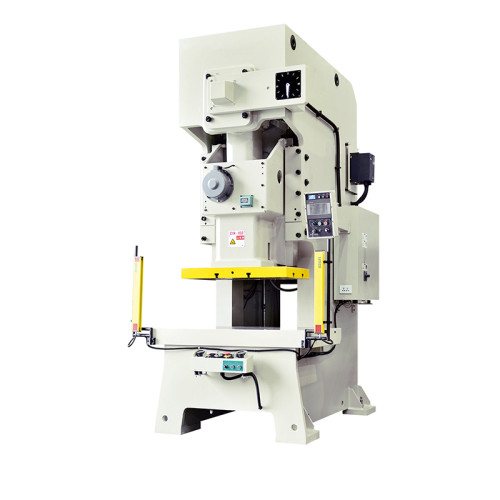
How to Set Feed Length Accuracy on an NC Servo Feeder?
How to set feed length accuracy on an NC servo feeder is the question that separates profitable stamping shops from shops that constantly chase scrap. Feed length, also called pitch or feed pitch, is the exact distance the strip moves into the die between strokes.
If that distance drifts by even a fraction of a millimeter, your stamped parts go out of tolerance, pilots can break, and whole batches must be rejected. An NC servo feeder is the most accurate way to control feed length, but accuracy depends on correct setup.
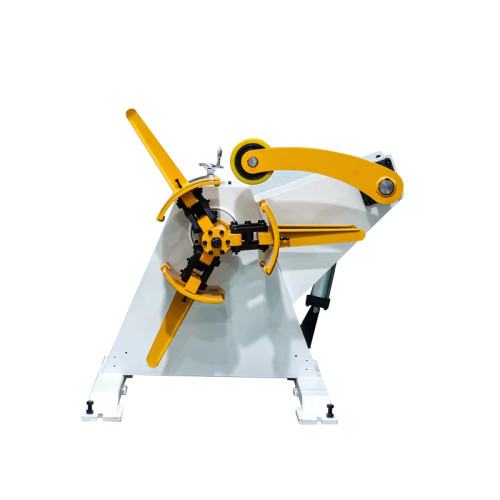
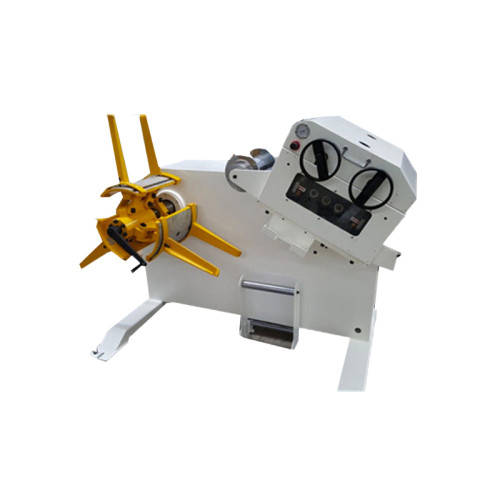
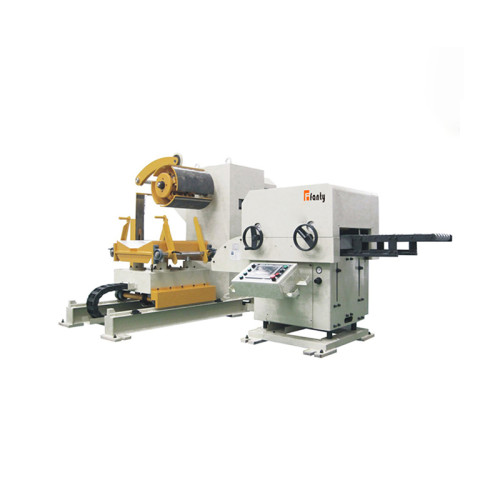
This guide explains how feed length works and how to configure your 3-in-1 decoiler straightener feeder for repeatable, precise feeding.
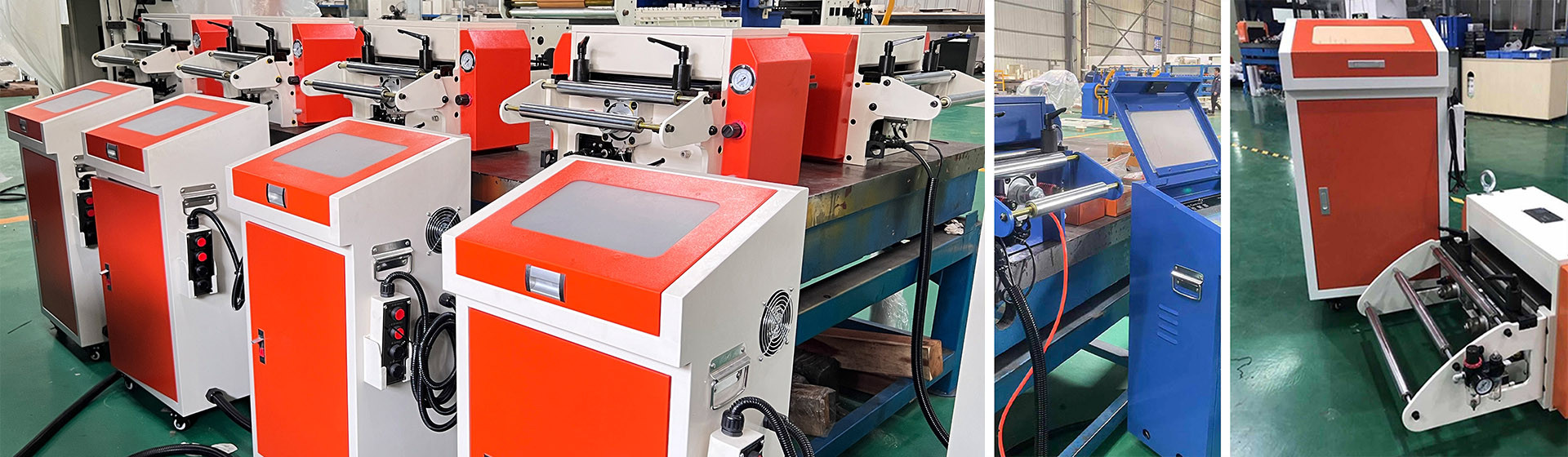
What Is Feed Length and Why Does It Matter?
Feed length is the distance the strip advances for each press stroke, and it directly determines where the die features land on the strip.
Feed length accuracy matters even more at high speed. At 200 SPM, the strip is accelerated and stopped hundreds of times per minute. Each cycle must stop at precisely the right position.
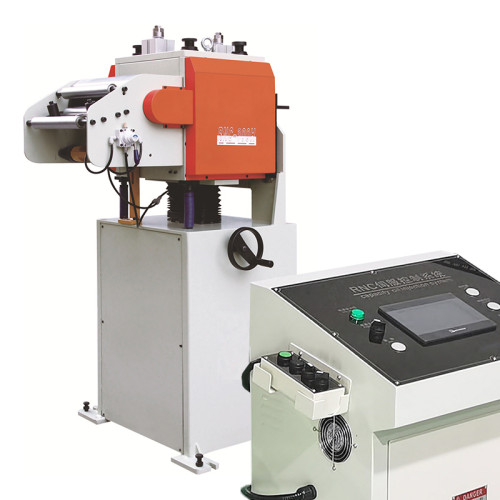
Mechanical and pneumatic feeders rely on mechanical stops and clutches that wear and drift, while an NC servo feeder uses a closed-loop servo motor with an encoder that measures the actual feed position every cycle and corrects any deviation instantly.
Key Parameters That Control Feed Length on an NC Servo Feeder
| Parameter | What It Controls | Effect of Wrong Setting |
|---|---|---|
| Feed length value | Distance per stroke in mm or degrees | Misaligned parts, pilots break, scrap |
| Acceleration profile | How fast the strip starts and stops | Strip slip, vibration, overshoot |
| Feed speed | Maximum strip speed during the feed | Missed stroke cycle, jammed die |
| Clamping force | Grip of feed rolls on the strip | Slippage or surface marking |
| Pitch compensation | Adjustment for die-specific tolerance | Systematic dimensional error |
| Release timing | When feed rolls release the strip | Strip movement during die closure |
The table above lists the core parameters every operator should understand. A well-designed NC servo feeder exposes these settings clearly on a touchscreen HMI, stores them per job, and protects them with operator permissions. FANTY's control system is built exactly this way, so setup is repeatable and errors are hard to introduce accidentally.
Step-by-Step: Setting Up Feed Length for a New Job
Follow these steps to set feed length accuracy on your NC servo feeder. The exact procedure varies by controller, but the logic is universal.
- Enter the required feed length in millimeters from the die drawing
- Set the feed speed and acceleration profile for the material
- Adjust clamping pressure so the strip feeds without slipping or marking
- Run a test feed and measure the actual pitch with a dial indicator
- Apply pitch compensation if the measured value deviates consistently
- Save the job recipe so the next run is identical without re-setting
Most feed length problems are actually setup problems.
How Closed-Loop Servo Control Holds Accuracy
The servo motor on an NC servo feeder is a closed-loop system. An encoder mounted on the motor shaft measures the actual rotation thousands of times per second and compares it with the commanded position.
For demanding jobs, FANTY equips its servo feeders with high-resolution encoders and tuning optimized for stamping duty. The result is repeatable feed length accuracy of ±0.05 mm or better, even when the line runs at 200 SPM with heavy coils. That accuracy is what allows progressive dies to run reliably for millions of strokes without pilot breakage.
Troubleshooting Feed Length Problems
When feed length accuracy degrades, work through these checks in order. First, verify the feed length value is correct in the controller. Second, measure the actual pitch on a test run to see whether the error is constant or random.
Many shops discover that the real culprit is the straightener: if the straightener speed is not synchronized with the servo feeder, it pushes or pulls the strip unpredictably, destroying feed accuracy.
FANTY's 3-in-1 decoiler straightener feeder coordinates all three sections electronically, eliminating this entire class of problems. If you still need help, our remote diagnostics can monitor live parameters and guide you to the root cause quickly.
Another subtle factor is material thickness variation along the coil. If the strip thickness changes from the outer wraps to the inner wraps, the feed rolls may grip differently and the pitch can drift slightly.
Modern servo controllers allow you to apply a compensation curve for the coil, and experienced operators recalibrate the pitch after the first few meters of a new coil.
Recording the compensation values in the job recipe means the next operator does not have to rediscover them, which keeps feed length accuracy consistent across shifts and across operators.
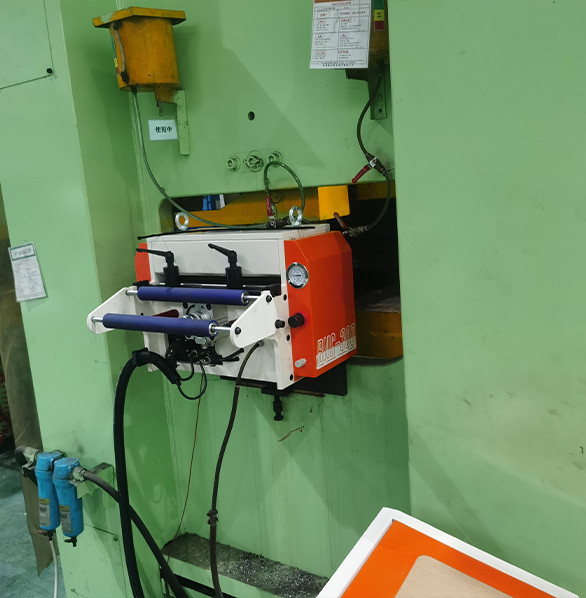
Why FANTY's NC Servo Feeder Is Built for Accuracy
Accuracy starts with mechanical precision. FANTY machines use precision-ground feed rolls, rigid frames and high-quality servo drives, and every machine is tested for feeding accuracy before shipment.
When you choose FANTY, you also get application engineering: our team helps you configure the NC servo feeder, straightener and decoiler for your specific dies and materials, and we provide setup training, documentation and remote support so your operators can hold precise feed length from the very first run.
Frequently Asked Questions
What is the typical feed length accuracy of an NC servo feeder?
A quality closed-loop NC servo feeder holds repeatable accuracy of ±0.05 mm, and FANTY verifies this on every machine before delivery. Actual accuracy also depends on setup, material and straightener synchronization, which is why we provide full training and application support.
Why does my feed length drift during a long production run?
Drift is usually caused by temperature rise affecting an open-loop system, feed roll slippage, or a mechanical issue such as worn rolls or loose clamping. A closed-loop servo system corrects position errors continuously and holds accuracy even as the machine warms up. Check clamping pressure and roll condition as well.
How do I measure feed length accuracy on the shop floor?
Run the feeder in manual or test mode, feed a fixed number of strokes, and measure the total strip travel with a caliper or dial indicator. Divide by the number of strokes to get the average pitch, then compare with the programmed value. Repeat several times to see if the error is constant or random.
Can the straightener affect feed length accuracy?
Yes, significantly. If the straightener speed is not synchronized with the servo feeder, it can push or pull the strip and distort the pitch. FANTY's 3-in-1 decoiler straightener feeder synchronizes decoiler, straightener and feeder electronically, which removes this source of error entirely.
Related reading
- setting up for fast stamping
- which part limits feeding accuracy
- how to hold feed accuracy on a coil line
Part of the the coil line guide library — the full library of coil handling, straightening and feeding guides from FANTY.
Ready to achieve precise, repeatable feed length on your press line?
Contact FANTY's engineers to discuss your die, material and speed requirements, and get a free recommendation for an NC servo feeder configuration.
Talk to Our Engineers