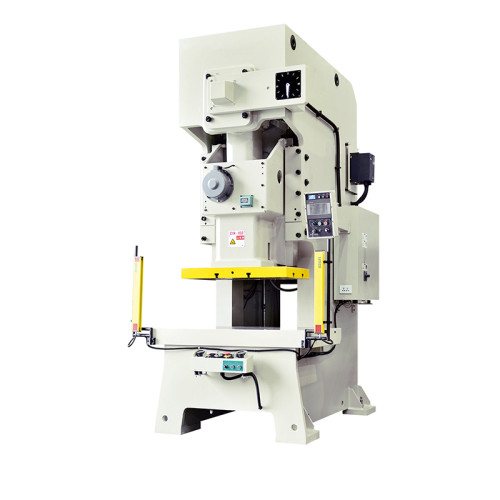
How to Reduce Stamping Die Wear with an NC Servo Feeder?
Die wear is the quiet cost driver in every stamping shop. A worn die produces burrs, dimensional drift and premature tool failure, yet most teams blame the tool steel when the real culprit is upstream: the NC servo feeder feeding inconsistent pitches or letting the strip wander.
In a progressive stamping line, the NC straightener feeder sets the strip condition and the feed length for every stroke, and small errors there multiply into thousands of dollars of die regrinds per year.
This article explains the mechanical link between feeding accuracy and die life, and shows the practical measures that keep your tooling cutting clean for millions of strokes.
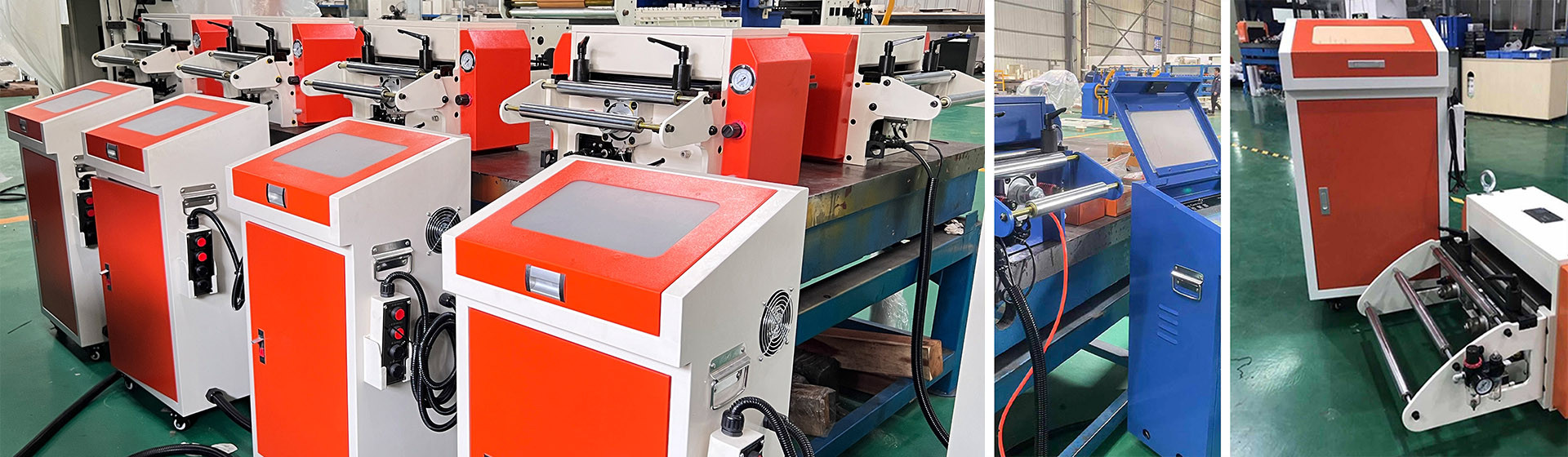
The Hidden Cost of Die Wear
A stamping die does not wear uniformly. The punch and die edges wear fastest wherever the strip delivers extra load, and that extra load usually comes from feeding problems: over-feeding, under-feeding, skew, or strip camber that pushes material sideways into the die guides.
Industry experience shows that inconsistent feed length is one of the top three causes of premature die maintenance in progressive dies. A mechanically worn feeder with backlash will hold tolerance at low speed and drift at high speed, so the die sees a different pitch every few thousand strokes.
That inconsistency is invisible on the part until the burr suddenly grows, but by then the die has already lost its edge.
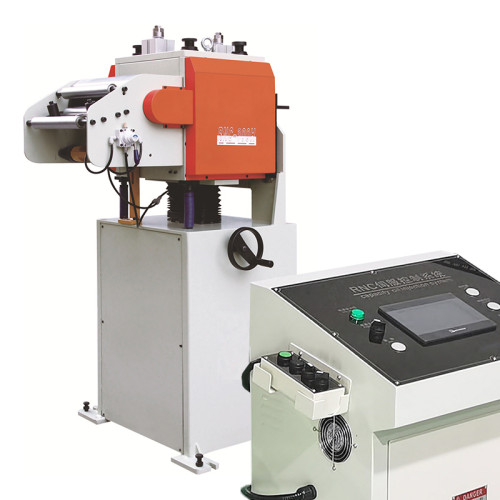
FANTY's service engineers see this pattern constantly: plants that replace an aging feeder with a modern NC servo feeder frequently report die regrind intervals doubling or better, simply because every stroke now sees the same pitch and the same strip entry angle.
How Feeding Accuracy Protects Your Die
An NC servo feeder controls pitch with a closed-loop encoder that measures actual gripper travel and corrects in real time. That means the strip stops in the same position every stroke, typically within ±0.05 mm on a well-tuned line.
When the pitch is constant, the punch lands in the same position in the pilot hole every time, the strip stays flat against the die face, and the cutting edges wear evenly across the full profile.
Evenly worn dies are the best-case scenario in tooling economics. Instead of one corner of the die wearing out early and forcing a full regrind, the whole cutting edge wears together, so every regrind removes the minimum material and the die lasts through more regrinds total.
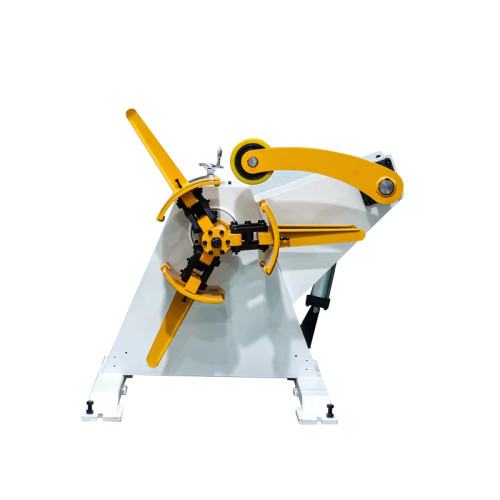
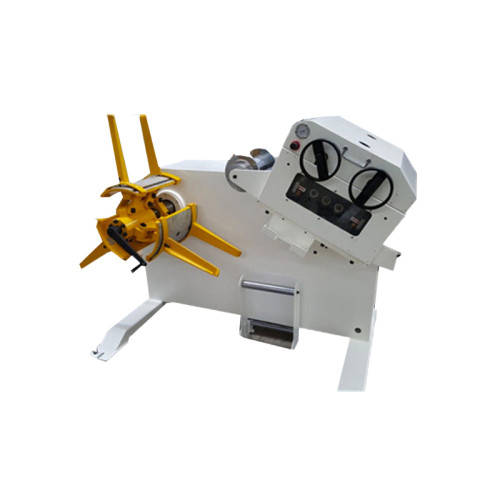
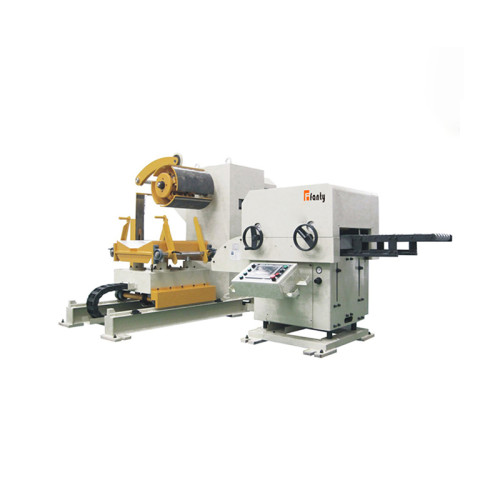
This is why die life and feed accuracy are two sides of the same coin. A 3-in-1 decoiler straightener feeder that also controls strip flatness adds another layer of protection, because a flat strip with low residual camber does not drag against the die guide pins on every stroke.
Key Contributors to Die Wear and Their Signs
Not all die wear comes from the feeder, but many causes can be traced back to the coil line. Use this table to connect the symptom on the die with the likely cause in the material path:
| Symptom on the Die | Most Likely Upstream Cause | Feeder-Related Fix |
|---|---|---|
| Uneven wear on one side of the punch | Strip skew or camber pushing material sideways | Re-align straightener rolls; check decoiler centering |
| Rapid edge rounding at the pilot station | Feed pitch drift or pilot misalignment | Re-tune servo feed length; check gripper slip |
| Burrs appearing on alternate parts | Intermittent feed length variation | Inspect encoder coupling and belt backlash |
| Scoring on the lower die surface | Dirty or poorly straight strip surface | Service straightener rolls; adjust roll pressure |
| Premature guide pin wear | Strip camber and coil set not removed | Increase work roll penetration; check roll parallelism |
| Die cracking at corners | Feed overload or double-hit errors | Verify die protection signal wiring and timing |
The pattern to look for is repeatability. If the die wears the same way on every regrind, the root cause is systematic, and a systematic cause upstream of the die is almost always worth fixing at the coil line rather than paying for frequent tooling maintenance.
Practical Measures to Extend Die Life
- Audit feed pitch daily. Measure a run of parts and chart the pitch variation. Any growing trend means the servo axis needs attention before the die does.
- Keep the straightener tuned. A 3-in-1 decoiler straightener feeder should deliver flat strip with minimal residual stress, so the die never has to fight coil set.
- Check gripper condition. Worn gripper pads slip at high speed, producing random short feeds that hammer the pilot stations.
- Use die protection signals. Wire the feeder and press so a short feed or misfeed stops the line instantly instead of forcing a double-hit.
- Lubricate the strip consistently. Variation in lubrication changes friction at the die, which shows up as inconsistent wear that looks like a feeding problem.
- Record regrind intervals. If you upgrade the feeder, the before-and-after regrind data is the proof that the investment paid off.
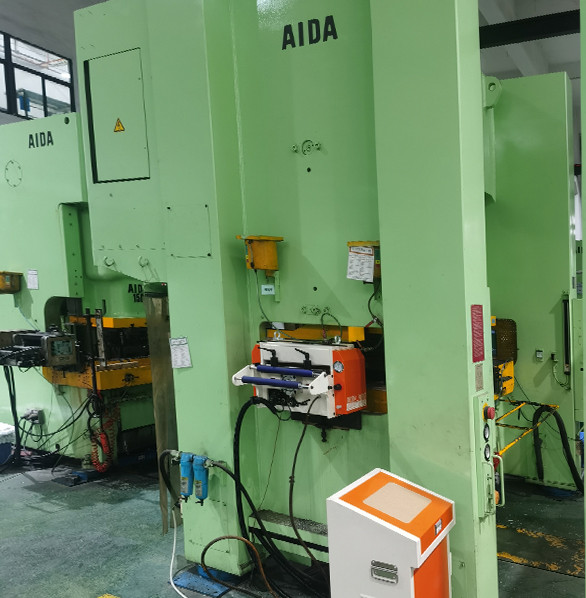
Quantify the Saving Before You Spend
It is worth putting numbers on die life before investing in the coil line. Start with the current regrind interval, the cost of each regrind and the average press-hour value. If a die regrinds every 150,000 strokes at a total cost of 1,000 dollars including downtime, and stable feeding extends the interval to 300,000 strokes, the tooling cost per part halves. On a line running two million strokes per month, that saving alone can exceed the monthly financing cost of a new NC straightener feeder, with scrap reduction and press utilization improvements on top.
Why Accuracy Drives Tooling ROI
Think of die maintenance as a monthly bill. Every regrind costs the grinding labor, the downtime, the risk of damaging the tool during handling, and the die life consumed by each regrind.
FANTY has built integrated feeding systems for over 12 years and supports more than 200 active installations worldwide. Its engineers size every NC straightener feeder against the customer's die program, because the die is where the accuracy eventually has to show.
A machine that holds ±0.05 mm at 200 SPM is not a luxury; it is the cheapest die protection insurance a stamping shop can buy.
Frequently Asked Questions
Can feeding accuracy really extend die life by that much?
Yes, when the die was previously running with pitch drift or strip skew. Inconsistent pitch makes the pilot stations wear unevenly and forces premature regrinds. Once the feed is stable within ±0.05 mm, the die wears evenly and regrind intervals typically improve substantially. The exact improvement depends on the die, the material and the operating speed, which is why before-and-after records matter.
What is the most common feeding problem that damages dies?
Pitch drift at high speed is the most common, usually caused by mechanical backlash, gripper slip or a worn encoder coupling. The second most common is strip skew from a misaligned straightener or decoiler, which pushes the strip against the die guides. Both are detectable before they damage the die if you monitor feed length and strip position regularly.
Should I upgrade the feeder or fix the die first?
Fix the die first if it is already damaged, but treat the root cause at the same time. If you only regrind the die and put it back on a line with unstable feeding, the same wear pattern returns. Measure the feed pitch and strip flatness before deciding: if either drifts, the coil line is the investment priority.
How often should I check the NC servo feeder to protect the die?
Daily pitch spot-checks and weekly visual inspections of gripper pads, encoder coupling and straightener rolls are a sensible baseline. Every 3 to 6 months, run a full accuracy test at maximum speed. Dies running critical progressive stamping deserve the same rigor as the tool itself, because the feeder is effectively part of the die system.
Related reading
Part of the the coil line guide library — the full library of coil handling, straightening and feeding guides from FANTY.
Protect Your Dies with a Stable NC Servo Feeder
Talk to our stamping engineers about adding or upgrading an NC straightener feeder, and get a free line assessment covering feed accuracy, strip flatness and die protection.
Get a Line Assessment