How to Prevent Strip Buckling in an NC Servo Feeder?
Strip buckling is one of the most frustrating faults on a stamping line because it often appears without warning and can fold or crease material that has already cost money to buy, slit, and store.
When the strip buckles in an NC servo feeder, the usual suspects are feed pitch versus material thickness, roll pressure, guide alignment, and the condition of the strip path from the coil to the die.
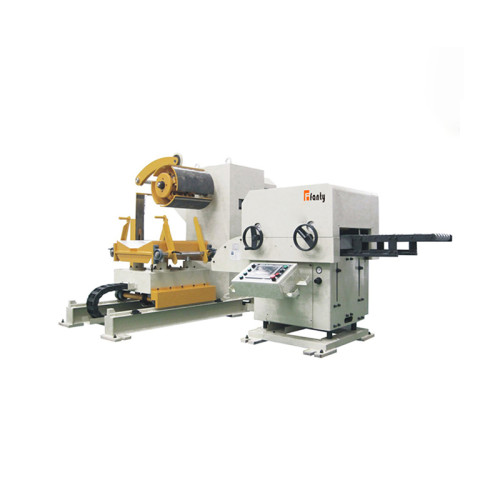
This guide explains the mechanics of buckling, how to diagnose it systematically, and the exact adjustments that prevent it. Whether you run an NC servo feeder feeding a progressive die or a complete 3-in-1 decoiler straightener feeder from FANTY, these checks apply to your line.
Understanding Why the Strip Buckles
Buckling happens when the strip is pushed before it can move. In an NC servo feeder, the feed rolls grip the strip and push it toward the die.
The most common trigger is a mismatch between the feed pitch and the material. When the pitch is long relative to the material thickness, the unsupported length of strip between the rolls and the die stop grows, and that unsupported length acts like a column under compression.
Every stamping engineer knows the rule: long thin strips buckle, short thick strips do not. If a job suddenly starts buckling after a pitch change, the geometry is the first thing to question.
The second trigger is mechanical resistance. A misaligned guide, a burr on the strip edge, a die stop that drags, or a pilot that is slightly out of position all add resistance at exactly the moment the feeder pushes the strip.
The feeder responds to the resistance by continuing to push, the strip compresses, and the fold appears. Diagnosing buckling therefore means checking both the feeder settings and everything downstream of the rolls.
Check Feed Pitch and Roll Pressure First
Start your diagnosis with the two settings that cause most buckling faults: feed pitch and roll pressure. Confirm that the programmed pitch matches the die design.
Roll pressure is the second adjustment. The feed rolls must grip the strip firmly enough to push it without slipping, but too much pressure on thin material can crush or mark the strip and even force it to buckle at the roll exit.
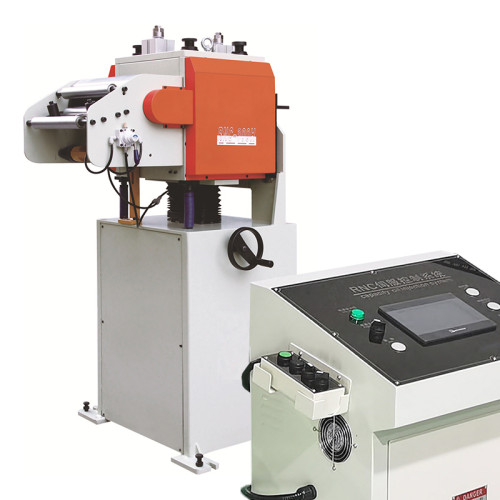
Set the roll pressure so the strip can just barely be pulled by hand when the rolls are closed at rest, then add a small margin for running. Many NC servo feeder controllers show the applied pressure, which makes this tuning repeatable and easy to document per job.
Also check the roll condition. Worn or glazed feed rolls lose grip unevenly, which makes the feeder slip on one side and push harder on the other, steering the strip sideways into the guide.
If the rolls are more than a few years old or show a polished band where the strip rides, replace them before chasing buckling any further. Rubber-covered rolls on thin-material feeders wear faster than steel rolls and should be inspected more often.
Align the Strip Path and Guides
A straight strip path is essential for buckling-free feeding. Check the entry guides, the straightener exit, and the feeder entrance for alignment with the die centerline.
Set the side guides with the correct clearance. Guides that are too tight squeeze the strip and add drag; guides that are too loose let the strip wander and buckle against the edge. A clearance of about 0.5 mm per side is a common starting point for clean slit edges, with more clearance for materials with edge burrs. The goal is guidance without resistance.
Pay attention to the strip entry angle into the feed rolls. If the strip approaches the rolls at an angle, the leading edge can catch and fold.
On a 3-in-1 decoiler straightener feeder, the straightener exit and the feeder entrance are designed to be collinear, but after maintenance or a change of die height the two may drift out of line. Re-level the machine and re-check the strip path whenever the die height changes significantly.
Buckling Causes and Fixes at a Glance
The table below summarizes the most common buckling causes, what to check, and the practical fix for each. Use it as a diagnostic checklist before calling for support.
| Symptom | Likely Cause | Fix |
|---|---|---|
| Strip folds at the die entry | Pitch too long for material thickness | Reduce pitch, add a support guide, or thicken material |
| Strip creases at the roll exit | Excessive roll pressure | Reduce pressure to the minimum reliable grip |
| Strip wanders and folds at guide | Misaligned strip path or tight guides | Align centerline; set 0.5 mm side clearance |
| Intermittent buckling at speed | Feed rolls slipping or glazed | Clean or replace rolls; increase grip evenly |
| Buckling after a die change | Die stop or pilot dragging | Check die alignment and pilot position |
Work through the table from top to bottom. In most cases the fix is a single adjustment, and the buckling disappears immediately. If the fault persists after all five checks, record the feed speed, pitch, and pressure values and send them to the machine supplier, because a controller tuning issue is then the likely cause.
Operating Habits That Prevent Buckling
- Record the roll pressure and guide clearance for every job so setups are repeatable and buckling is not reintroduced by a change.
- Inspect the strip edge before threading; burrs and slitting defects add resistance and cause folds at the guide.
- Run the first parts at reduced speed after any die change and watch the strip between the feeder and the die entry.
- Keep the strip path free of oil buildup; sticky oil films on guides behave like added friction.
- Schedule monthly roll and guide wear checks, and replace rubber-covered rolls before they polish to a glassy finish.
Strip buckling is a solvable problem, and solving it saves material, die, and downtime. FANTY builds the NC servo feeder and NC Straightener Feeder ranges with precision-machined rolls and CE-certified controls, backed by 12 years of experience, a 45,000 m² factory, 370 staff, and more than 80 R&D engineers. The company has commissioned over 200 coil feeding lines in more than 60 countries, and its feeders hold ±0.05 mm feeding accuracy at speeds up to 200 SPM.
Frequently Asked Questions
What is the safe pitch-to-thickness ratio for a strip?
As a practical rule, unsupported feed lengths above about 60 times the material thickness become prone to buckling. If your pitch approaches or exceeds that ratio, reduce the pitch, add a support guide between the feeder and the die, or use thicker material.
Can too much roll pressure cause buckling?
Yes. Excessive roll pressure can crush thin material and force it to fold as it exits the rolls. Set the pressure to the minimum that provides reliable grip without slip, and record the value per job so it can be reproduced.
Why does buckling only happen at high speed?
At higher feed speeds the acceleration force is larger, and the strip is pushed harder before it settles. If the rolls slip slightly or the guides add friction at speed, the strip compresses and folds. Reduce speed as a test; if the fault disappears, focus on grip and guide alignment.
Should I lubricate the strip to prevent buckling?
Light lubrication can help reduce friction at the guides, but it must be consistent, because changes in lubrication change the feeding behavior. Clean, dry, well-aligned guides are usually better than relying on oil. If you do lubricate, use a stable film and record it in the job setup.
Related reading
Part of the the coil line guide library — the full library of coil handling, straightening and feeding guides from FANTY.
Eliminate strip buckling on your line
Ask FANTY's engineers to review your feeding setup and get the right roll and guide configuration.
Send Your Inquiry