How to Prevent Double Feeding on an NC Servo Feeder?
Double feeding is one of the most damaging faults that can occur on a stamping line.
Instead of one strip thickness entering the die, the feeder accidentally advances two layers of material, the die tries to punch through both, and the result is a damaged die, broken punches, a jammed press and hours of unplanned downtime.
On a progressive die line, a single double-feed event can cost more than the price of a good feeder. This guide explains what causes double feeding on an NC servo feeder, how to prevent it through setup and maintenance, and what monitoring features protect your die when the unexpected still happens.
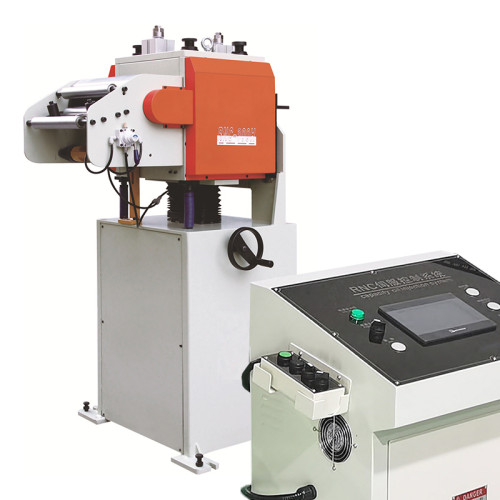
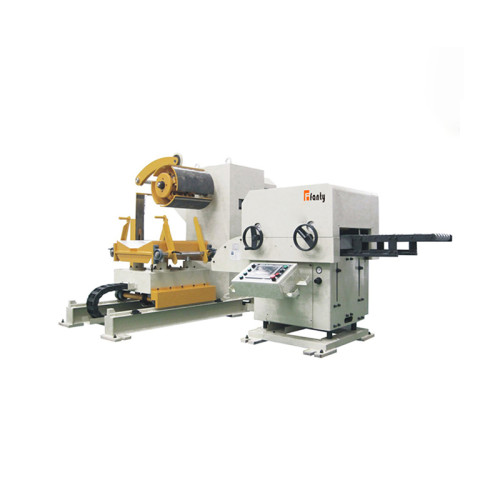
If you are evaluating feeders, our NC Straightener Feeder product range includes the anti-double-feed options you should specify.
What Double Feeding Actually Is
Double feeding means two overlapping layers of strip material are advanced into the die at once. In coil-fed stamping it happens in two distinct ways.
The first is a strip overlap at the material entrance: the tail end of one coil overlaps the leading end of the next coil during a coil splice or loading error, and the feeder pulls both layers through the die.
The second is a material buckle that folds the strip double at the feed rolls or at the die entry, so the feeder advances a folded section. Both events overload the die, and because they happen at line speed, the press usually completes one stroke before the operator can react.
On mechanical and pneumatic feeders, the risk is higher because there is less feedback about what is actually happening at the strip. The feeder pushes material on a fixed mechanical cycle and cannot tell if the strip has buckled, overlapped or slipped.
An NC servo feeder, by contrast, has both the sensors and the control intelligence to detect abnormal strip conditions, which is why modern stamping lines treat it as the primary defense against double feeding and the die damage that follows.
Root Causes of Double Feeding on Servo Feeder Lines
Understanding the causes is the first step to prevention. In our field experience across more than 200 installed lines, double feeding almost always traces back to one of the following:
| Root Cause | How It Develops | Prevention |
|---|---|---|
| Coil tail overlap at loading | New coil is threaded while the previous coil tail is still in the strip guide | Verify the strip path is empty before loading; use the coil end sensor |
| Material buckle at feed rolls | Strip pressure too low, or straightener/feeder speed mismatch creates a fold | Set correct roll pressure; synchronize decoiler and straightener speed |
| Folded strip at die entry | Obstruction or misalignment at the die guide causes the strip to fold back | Check die entry alignment; keep strip guide clear of debris |
| Loose feed roll grip | Worn or oily rolls let the strip slip, then re-grip and double-advance | Clean rolls daily; replace when worn; check pressure per material |
| Sensor or guard failure | Material detector is dirty, misaligned or disconnected | Test sensors each shift; include them in the daily checklist |
How an NC Servo Feeder Detects and Stops Double Feeding
The strength of an NC servo feeder is that it converts mechanical problems into electrical signals that the controller can act on instantly. Three monitoring mechanisms work together to protect the die:
Motor torque monitoring. The servo drive measures the torque required to feed the strip. Feeding two layers of material requires noticeably more force than feeding one, so the controller can compare the actual torque against the stored profile for the job.
If torque spikes beyond the programmed limit, the feeder stops the feed cycle and triggers an alarm before the strip reaches the die. This is the fastest and most reliable double-feed detector on a servo feeder.
Material thickness sensing. Many modern NC servo feeder models include a strip thickness sensor at the entry guide. It continuously measures the material passing through and flags any reading outside the job tolerance, catching overlaps and folds the moment they enter the machine.
The sensor is especially valuable after coil changes, when a splice or a double-threaded strip is most likely.
Position error monitoring. The closed-loop position control knows exactly where the strip should be at every instant. If the strip buckles or folds, the actual position falls behind the commanded position, and the position error exceeds the tolerance window. The controller stops the machine on the fault, and the operator sees a specific alarm code instead of a mysterious crash.
When any of these systems triggers, the feeder sends a stop signal to the press control, halting the slide before it closes on the double-thickness material. In practice this means the die is protected even when the operator's attention is elsewhere, which is precisely the value of a modern feeder versus a purely mechanical one.
Prevention Checklist for Operators
No amount of automation replaces good operator habits. Add these checks to your daily routine and your double-feed risk drops dramatically:
- Confirm the strip path is clear before every coil change. Make sure the previous coil tail is fully removed from the guide, straightener and feeder.
- Set roll pressure for the actual material. Use the pressure chart for the current thickness; too little grip invites slip and re-grip.
- Keep sensors clean and tested. Wipe the thickness sensor and position sensors at shift start and verify each one triggers the correct alarm.
- Inspect feed rolls for wear and oil. A polished or oily roll surface is the silent cause of many double feeds; clean daily and replace at the wear limit.
- Do a manual single-stroke test after every coil change. Advance one pitch at jog speed and watch the strip enter the die cleanly before going to automatic mode.
What to Do When a Double Feed Alarm Triggers
When the alarm sounds, resist the urge to reset and rerun immediately. Follow this sequence to protect the die and find the root cause: first, switch the press to manual and jog the slide clear of the strip; second, open the die area and inspect for any folded or overlapping material, removing it completely; third, check the feed rolls, strip guide and die entry for debris or damage; fourth, verify the material thickness sensor reading matches the actual strip; fifth, only then reset the feeder, run one manual stroke, and resume production. If the same alarm repeats, the problem is likely mechanical, not electrical: look at roll wear, roll pressure, or a damaged strip guide. Document every alarm in the shift log; a pattern of double-feed alarms is a reliable early warning of an approaching maintenance issue.
Prevention is also a supplier question. FANTY has manufactured NC servo feeders and complete coil lines for 12 years in a 45,000 square meter factory with 370 employees and more than 80 R&D engineers. Every feeder is CE certified and has proven itself in more than 60 countries, with over 200 lines in production.
When you specify a feeder, ask for torque-monitoring anti-double-feed protection, a material thickness sensor and a clear alarm code set; these options cost little at order time and save a fortune the first time they stop a double feed.
If you would like a line audit, send us your press details and we will recommend the right protection package for your dies.
Frequently Asked Questions
Can an NC servo feeder guarantee that double feeding never happens?
No machine can make an absolute guarantee, because double feeding can originate outside the feeder, such as a coil tail left in the strip path. What an NC servo feeder does is detect abnormal conditions through torque, thickness and position monitoring, and stop the press before the die closes on two layers. That protection turns a catastrophic event into a stoppage with a clear alarm.
How does torque monitoring tell the difference between double feed and normal load variation?
The controller learns the normal torque profile for each job during setup, including the variation caused by material hardness changes. A double feed produces a torque step that is typically far outside that learned envelope, so the detection threshold is set to catch the fold without false-triggering on normal strip variation.
Do I need an extra sensor, or is monitoring built into the feeder?
Motor torque monitoring and position error monitoring are built into the servo control. A dedicated material thickness sensor is usually an optional extra; on lines that change coils often, we strongly recommend adding it because it catches overlaps at the entry before they reach the die.
How fast can the system stop the press after detecting a double feed?
The stop signal is generated within one control cycle, typically a few milliseconds, and the press control executes its emergency stop. The feeder and press are mechanically decoupled through the control interface, so the slide halts before completing the stroke that would have hit the double-thickness material.
Related reading
- setting up for fast stamping
- which part limits feeding accuracy
- how to hold feed accuracy on a coil line
Part of the the coil line guide library — the full library of coil handling, straightening and feeding guides from FANTY.
Protect Your Dies from Double Feeding
Ask us about anti-double-feed protection packages for your press line. Send your press tonnage, material and feed length for a free recommendation.
Request a Feeder Quote