How to Prevent Coil Edge Damage with a Decoiler?
Coil edge damage is one of the most expensive and least discussed problems in stamping, and most of it is caused by the decoiler, not the coil supplier. A burred edge turns into torn strip, damaged die pilots, and rejected parts, and the cost quietly compounds across every meter of every coil.
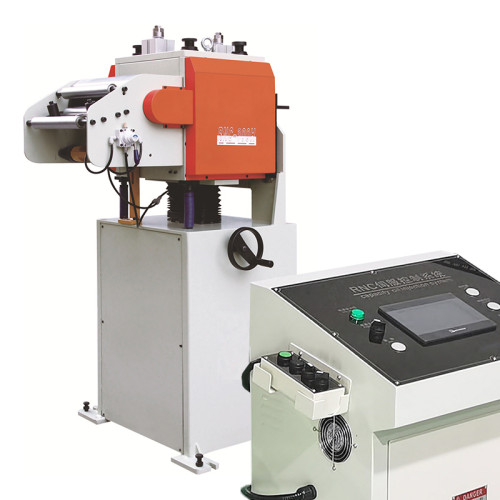
This guide explains how a properly set-up NC Straightener Feeder with the right decoiler prevents edge damage at the source, and how FANTY engineers stop the problem before it ever reaches your die.
Why Coil Edges Get Damaged in the First Place
Coil edge damage has three main sources, and it is worth knowing which one you are fighting before you change anything.
All three sources share one thing: they are preventable with the right equipment and the right setup.
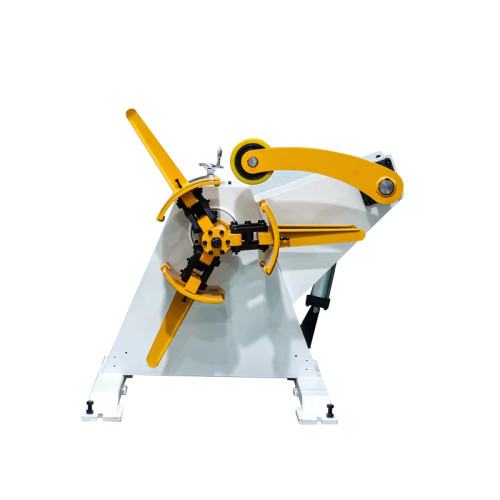
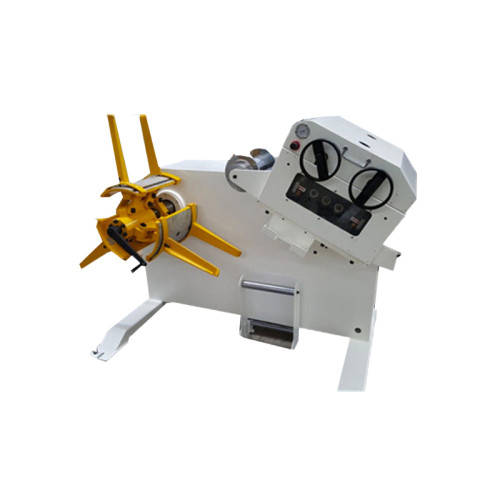
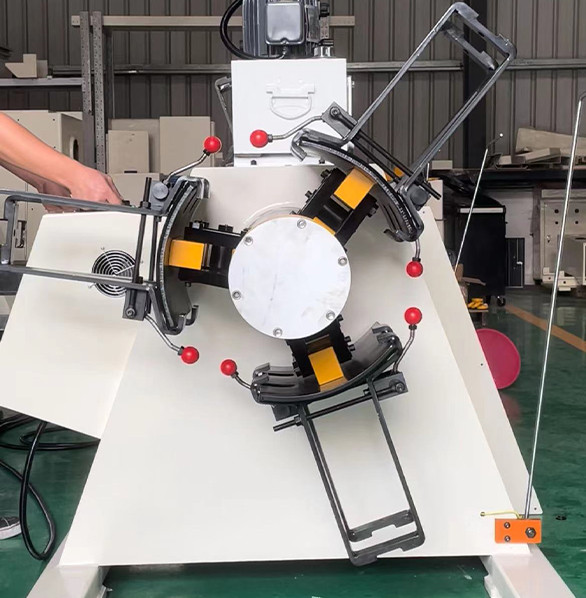
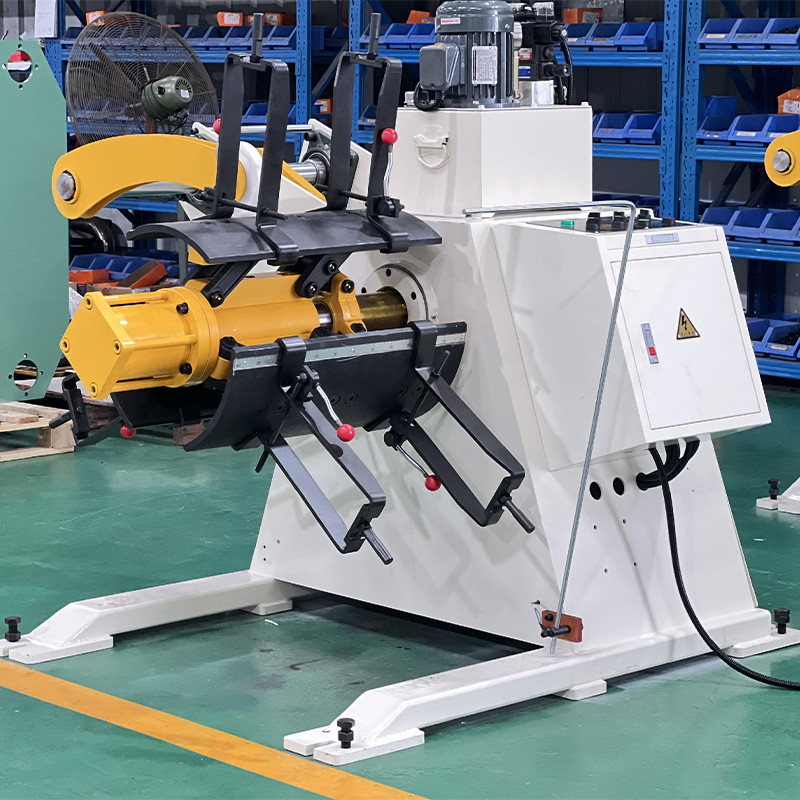
A motorized decoiler with an expanding mandrel holds the coil firmly on its center line, powered side guides keep the strip centered without scraping, and a properly adjusted straightener pulls the strip with controlled tension instead of letting the decoiler freewheel.
When those elements work together as one system, coil edge damage drops to near zero, and the parts that used to be rejected for edge burrs become good production.
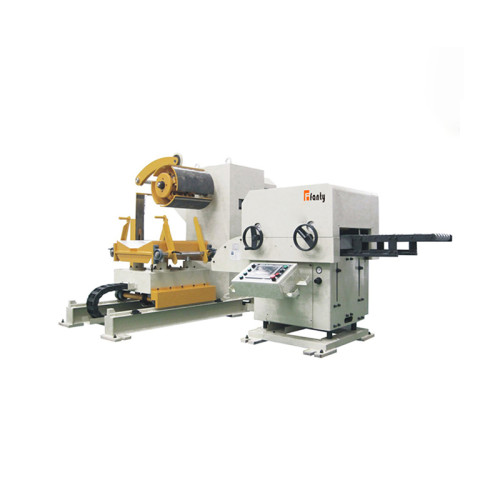
This is precisely the design logic behind the 3-in-1 decoiler straightener feeder that FANTY builds: one frame, one control system, and one synchronized material path.
Six Machine Features That Protect the Coil Edge
Not all decoilers protect edges equally, and the differences are easy to spot once you know what to look for. The table below compares the features that matter, and it will help you audit your own line or evaluate a new machine before you buy.
| Feature | What It Does for the Edge | Red Flag If Missing |
|---|---|---|
| Expanding mandrel | Grips the coil ID evenly, prevents slippage and telescoping | Fixed or poorly expanding mandrel lets the coil shift |
| Motorized unwind | Controls tension actively, stops wrap-to-wrap crushing | Manual brake system that pulses and shocks the strip |
| Powered side guides | Keeps strip centered, no fixed surfaces to grind against | Static plates that the strip rubs across |
| Polyurethane rollers | Soft contact surfaces absorb vibration without marring edges | Bare steel contact points on the strip path |
| Strip lifting table | Aligns the strip with the line at coil change, no edge scraping | Manual lifting by hand or overhead crane only |
| Loop control sensor | Maintains consistent slack, prevents tension spikes | No loop sensing; tension varies with coil diameter |
Let us focus on two features that cause the most damage when they are missing: the expanding mandrel and tension control. An expanding mandrel that does not seat firmly lets the coil wobble on every rotation, and the wobble transfers directly to the strip edges.
Worse, a loose coil on the mandrel will develop telescoping, where the outer wraps slide sideways relative to the inner wraps, and telescoped coils are effectively destroyed material.
The fix is a hydraulic or mechanical expanding mandrel with enough grip and enough support arms to hold the coil true, which is standard equipment on every FANTY decoiler.
Alignment Is Everything: Set the Strip Dead Straight
The single most effective thing you can do to prevent coil edge damage is to make sure the strip enters every machine on the line perfectly straight, and the decoiler is where that alignment starts.
The strip lifting table and the side guides work together to hold that alignment. When a new coil is loaded, the lifting table raises the strip to the exact line height before the mandrel expands, so the strip never drags across a lower edge.
The powered side guides then close gently around the strip, centering it without squeezing. On a FANTY line, the straightener and feeder share the same frame as the decoiler in the 3-in-1 configuration, which means these components are aligned at the factory, not on your shop floor.
That single-frame design is a major reason why integrated machines produce fewer edge defects than lines assembled from mismatched components.
Unwind Tension: The Hidden Edge Protector
Tension is a two-edged sword in coil handling. Too little tension lets the strip flap, and a flapping strip hammers its own edges against the guides with every press stroke.
Here is the physics: as the coil unwinds, its outer diameter decreases, and the strip speed at the outer wrap changes continuously. A friction brake cannot follow that change smoothly; it either drags too hard at the beginning of the coil or too little at the end.
A servo-controlled unwind reads the loop position and adjusts the drive torque thousands of times per second, so the strip experiences the same gentle tension from the first wrap to the last.
FANTY integrates this tension control with the feeding motion of the NC servo feeder, so the system unwinds exactly as much material as the feeder consumes, no more, no less, and the edges never see a tension spike.
Operator Checklist to Protect Edges Every Shift
Equipment prevents most edge damage, but operators close the gap, and a five-minute routine at every coil change pays for itself many times over. Use this checklist on your line, and add your own items once you learn where your specific material is most vulnerable.
- Inspect the new coil edges before loading; reject damaged coils at the door
- Center the coil on the mandrel before expanding; check the OD runs true
- Verify the strip enters the straightener at line height, not below or above
- Watch the first ten meters at full speed for flutter or side rub
- Check side guide rollers weekly for wear or flat spots
- Record edge quality per coil; a trend of burrs means something is wearing
That last item is the one that catches problems early.
What Burred Edges Cost You, Line by Line
It is worth putting a number on edge damage, because shop floor losses are easy to underestimate. A burred edge on a progressive die strip does three things at once.
Now multiply those three costs by the number of strokes in a shift, and the annual figure becomes real money. In contrast, the equipment that prevents edge damage is a one-time investment.
A properly configured motorized decoiler feeding a 3-in-1 decoiler straightener feeder typically pays for the edge-protection features in the first few months of full production.
FANTY has twelve years of coil handling experience, a 45,000 square meter factory, 370 employees, and more than 80 R&D engineers, and the machines we ship are CE certified and proven across more than 200 active installations, so the edge protection you buy is engineering that has already been tested in real stamping shops worldwide.
Frequently Asked Questions About Coil Edge Damage
Is coil edge damage always the fault of the decoiler?
No, but the decoiler is where most of it happens or where it can be prevented. Damaged edges can also arrive with the coil from the steel mill or appear in transport. That is why the first operator checklist item is to inspect the coil at the door, so you know exactly what you received before your line touches it.
What is telescoping and why does it damage edges?
Telescoping is when the outer wraps of a coil slide sideways relative to the inner wraps, so the coil edge looks like a stack of offset discs. The moving wraps crush against each other and against the coil edge, damaging both. A firmly expanding mandrel and controlled unwind tension are the two main defenses against telescoping.
Can a 3-in-1 decoiler straightener feeder really reduce edge defects?
Yes, and usually significantly. The integrated design aligns the decoiler, straightener, and feeder on one frame, synchronizes tension control with feeding, and removes the alignment mismatches of separately assembled lines. Fewer contact surfaces and consistent tension directly translate into cleaner edges.
How often should I check the side guide rollers?
At least once per week in continuous production, and more often if you run abrasive or high-tensile material. Look for flat spots, grooves, or uneven wear, and replace rollers before they start marking the strip. Recording edge quality per coil helps you catch roller wear trends early.
Related reading
- how to thread a coil onto a decoiler
- how a decoiler mandrel grips a coil
- how to specify a decoiler for a coil line
Part of the the coil line guide library — the full library of coil handling, straightening and feeding guides from FANTY.
Stop Coil Edge Damage Before It Costs You Parts
Tell us your coil sizes, material, and line speed, and FANTY engineers will recommend the decoiler setup that protects your strip edges. CE certified, built in a 45,000 m2 factory, trusted in 60+ countries.
Request Your Coil Line Audit