How to Maintain Your NC Servo Straightener?
An NC servo straightener works hard on every shift, flattening coil material so your stamping die sees perfectly flat strip at speed. Yet because it runs reliably, it is easy to ignore until the day the material starts bowing, the rolls start scoring, or the servo axis starts faulting. Preventative maintenance on an NC servo straightener is not complicated, but it must be systematic. This guide gives you a practical maintenance schedule, explains how to keep the straightening rolls and servo system in top condition, and lists the early warning signs that tell you a problem is developing before it stops your line.

Why Preventive Maintenance Matters More Than You Think
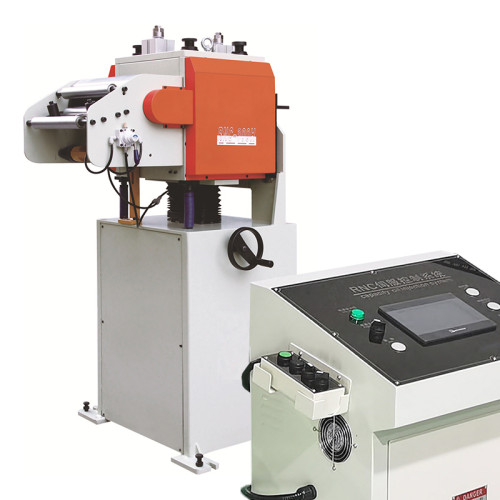
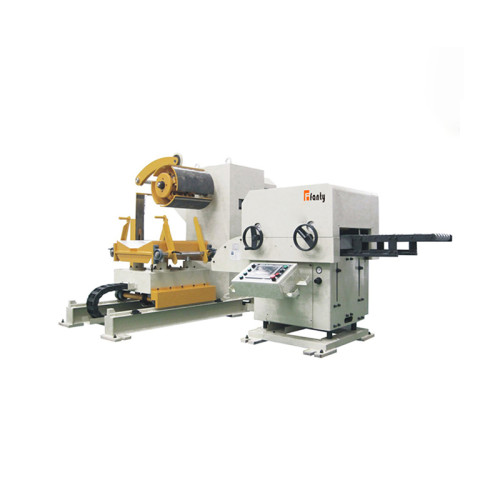
The NC servo straightener sits between the decoiler and the feeder, and its job is deceptively simple: remove the residual stress from coil material so that it feeds flat and straight. What happens inside is complex. The material weaves between a series of precision rolls, each penetrating slightly deeper, and the cumulative bending reverses the internal stress that was locked into the coil when it was wound.
When the straightener is well maintained, the roll gaps stay calibrated, the surfaces stay smooth, and the servo system holds its positioning accuracy. When it is neglected, three things degrade at once: roll surface quality, calibration accuracy, and servo performance. The result is material that feeds with edge waves or bowing, which translates directly into scrap, die wear, and press faults. Because the straightener is upstream of everything else, its condition affects every single part the line produces.
The economics are clear. A straightening roll costs a fraction of a die, and a calibration check takes minutes. Skipping maintenance to save those minutes and cents can cost you a full die repair, a day of downtime, and thousands of scrap parts. Preventive maintenance on the NC servo straightener is therefore one of the highest-return activities in the stamping plant.
The Recommended NC Servo Straightener Maintenance Schedule
Use the schedule below as your baseline and adjust it based on your material, speed, and operating hours. High-carbon steel, thicker material, and dusty environments all shorten the intervals.
| Interval | Maintenance Task | Key Points |
|---|---|---|
| Daily | Visual inspection | Check roll surfaces for scratches, chips, or debris; verify no oil leaks around cylinders and bearings |
| Daily | Material quality check | Confirm straightened strip is flat and free of edge waves before ramping to full speed |
| Weekly | Roll cleaning | Clean rolls with solvent to remove embedded particles, oil residue, and metallic dust |
| Weekly | Lubrication | Grease roll bearings and pivot points per the manual; do not over-grease |
| Monthly | Calibration verification | Check roll gap settings and parallelism with feeler gauges or dial indicators |
| Monthly | Servo system check | Listen for unusual servo motor noise; verify encoder feedback and axis homing |
| Quarterly | Roll surface measurement | Measure roll diameter and surface roughness; plan re-grinding before quality degrades |
| Quarterly | Electrical inspection | Tighten terminals, inspect cables and connectors for wear, verify grounding |
| Annually | Full overhaul | Replace worn bearings, re-grind or replace rolls, recalibrate the whole unit |
Print this schedule and post it beside the machine. Assign a named owner for the straightener, just as you would for a die, and make the daily check part of the line startup routine rather than an afterthought.
Roll Maintenance: The Heart of Straightening Quality
The straightening rolls are where the real work happens, and their condition determines strip flatness. Roll wear shows up in three ways: surface scoring from debris or hard particles, diameter reduction from repeated grinding, and taper from uneven material contact. Any of these will show up immediately as inconsistent strip quality.
- Clean rolls daily or weekly
Wipe each roll with a soft, lint-free cloth and solvent. Embedded particles act like grinding grit and ruin both the roll and the material.
- Measure roll wear quarterly
Compare roll diameter against the original spec. When the diameter drops past the limit, re-grind the roll or replace it before strip quality suffers.
- Check parallelism monthly
Rolls that are not parallel bend material into a curve. Use feeler gauges or a dial indicator to confirm the gaps match at both ends.
- Guard against foreign objects
A single weld spatter, nut, or piece of scrap entering the roll gap can permanently damage the rolls. Keep the entry area clean and guarded.
- Keep spares ready
Stock a spare set of rolls for your most common material widths so a damaged roll does not mean days of downtime.
Roll re-grinding is a precision operation; use a shop that understands straightening roll geometry and surface finish requirements. After grinding, measure the diameter of every roll and adjust the depth settings accordingly, because a smaller roll changes the penetration geometry.
Servo System Maintenance and Calibration
The NC part of an NC servo straightener deserves its own attention. The servo system controls the feed rolls and the roll-gap adjustment, and it needs three things to stay accurate: clean power, clean signals, and correct calibration.
Check the servo drive cabinet monthly for dust, loose terminals, and adequate ventilation. Overheating is one of the most common causes of servo drive failure, so keep the cabinet filters clean and confirm the cooling fan operates. Inspect the encoder cable and its connectors for damage, because a marginal encoder signal produces intermittent positioning faults that are very hard to diagnose on the production floor.
Calibration is the other pillar. The roll-gap readout is only useful if it matches reality, so verify it against a physical measurement at least monthly. The straightener's material thickness setting should be checked with a micrometer on the actual strip, not assumed from the coil certificate. A straightener that consistently straightens 10 percent thicker material than its display shows will have been running with the wrong penetration all along.
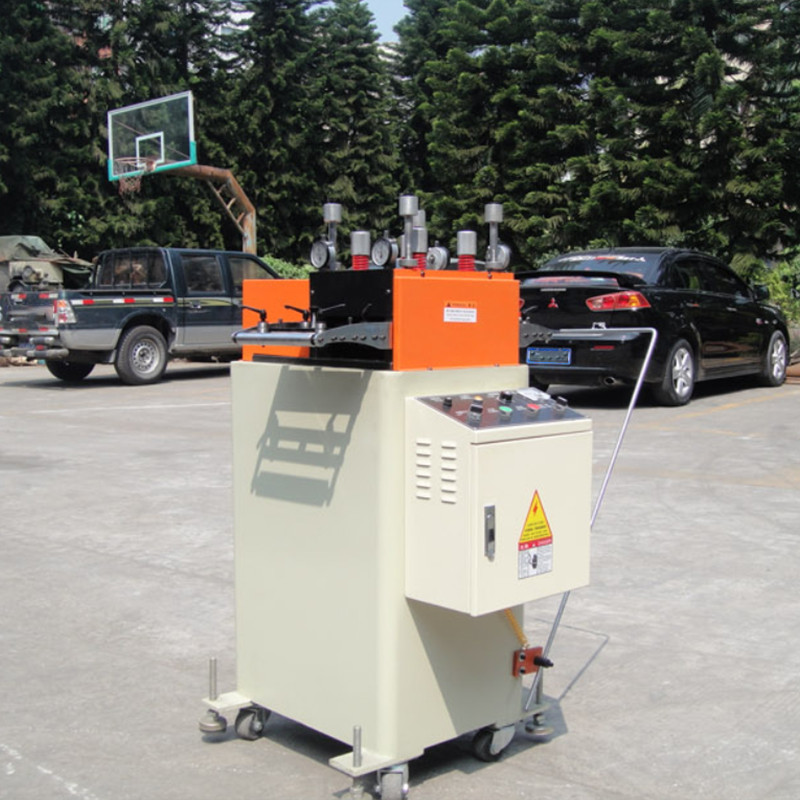
FANTY's NC servo straighteners are designed with maintenance in mind: removable roll modules, accessible lubrication points, and a diagnostic interface that reports servo torque, axis position, and alarm history. The company's service engineers, based at a 45,000 m² factory with a team of 370 including more than 80 R&D engineers, support customers in over 60 countries with remote diagnostics and spare parts. After 12 years and more than 200 line installations, FANTY has refined both the machines and the maintenance guidance that keeps them running.
Early Warning Signs of Trouble
Catch these signs early and you fix a small problem; ignore them and you will eventually meet them as a breakdown. Train your operators to watch for the following:
- Strip bowing or edge waves
The most direct symptom of roll wear, wrong penetration, or roll misalignment. Stop and check before running more material.
- Unusual noise or vibration
New rumbling, clicking, or vibration points to worn bearings, loose mounts, or a damaged roll surface.
- Servo alarms or axis drift
Recurring positioning alarms, homing failures, or torque spikes indicate encoder, drive, or mechanical binding issues.
- Scratched or marked strip
Longitudinal scratches on the strip surface mean debris on a roll or a damaged roll surface. Clean and inspect immediately.
- Oil leaks or hot bearings
Leaking seals and bearings that run hot are failures in progress. Repair them at the next opportunity, before they seize.
Keep a simple logbook for the straightener: date, operator initials, any observations, and any adjustments made. After a few months, the logbook becomes your best diagnostic tool, because it shows the pattern of degradation before a failure is obvious. A straightener that needed roll cleaning twice last month and four times this month is telling you something about the material or the environment that you should investigate.
NC Servo Straightener Maintenance FAQ
How often should the straightening rolls be cleaned?
At least weekly, and daily if you process high-carbon steel, coated material, or operate in a dusty environment. Debris embedded in the rolls will scratch both the rolls and the strip, so cleaning is the cheapest insurance in the whole maintenance program.
What is the most common cause of poor straightening results?
Wrong penetration settings and roll wear. Operators often set the roll gap by feel rather than measuring the strip, and rolls wear gradually so nobody notices until strip quality fails. Verify the actual strip thickness with a micrometer and compare it with the machine setting monthly.
Can I straighten material without stopping the line for maintenance?
Small checks such as cleaning and lubrication can be done at changeover. Calibration, roll measurement, and electrical inspection should be done during scheduled stops. Never attempt any work on the rolls while the line is running; always lock out the machine first.
How do I know when the rolls need re-grinding or replacement?
Measure the roll diameter and compare it with the manufacturer's minimum. Also watch for surface scoring, taper, or strip quality that no longer improves after cleaning and adjustment. Most plants re-grind once or twice before replacing the roll set.
What should I do if the servo axis keeps faulting?
Check the power supply and cabinet cooling first, then inspect the encoder cable and connectors for damage. Verify that the mechanical axis moves freely when disconnected from the drive. If all checks pass, contact the manufacturer with the alarm code; FANTY provides remote diagnostics for its NC servo straighteners.
Want a maintenance plan tailored to your straightener and materials? FANTY's service team can provide the maintenance manual, spare parts list, and remote support you need to keep your NC servo straightener running at peak performance.
Talk to a FANTY Service Engineer →