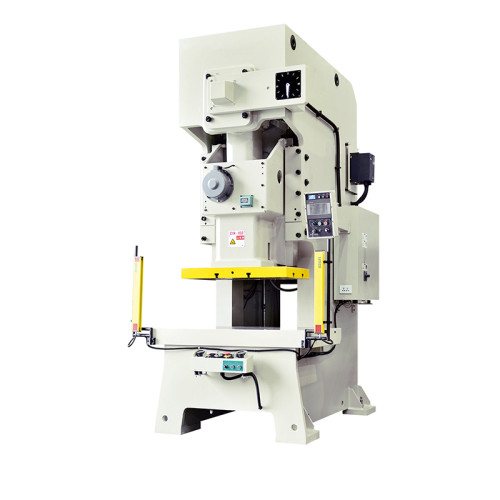
How to Improve Stamping Accuracy with an NC Servo Feeder?
In progressive die stamping, the feeder is the part of the line that decides where every blank lands. If the strip position drifts by even a fraction of a millimeter, the die punches in the wrong place, part dimensions change, and scrap climbs.
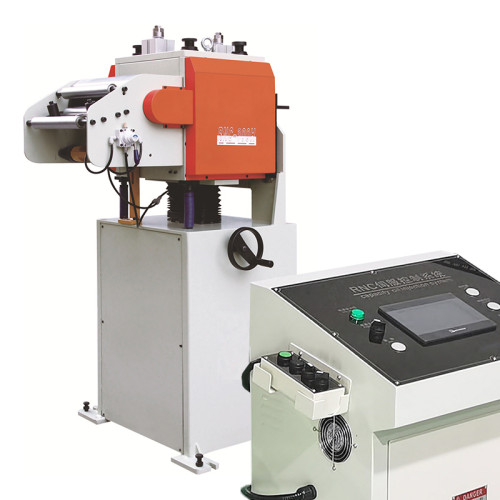
An NC servo feeder gives you the mechanical precision to hold that position, but precision is a system result, not a component spec.
Modern servo-driven feeders are capable of ±0.05 mm feed accuracy at speeds up to 200 SPM, which is the kind of performance FANTY has delivered across more than 200 active coil line installations in over 60 countries. However, that number only holds when the machine is installed, calibrated, and maintained correctly.
This guide explains the factors that control stamping accuracy and the practical steps you can take to keep every part within tolerance.
The advice here comes from 12 years of building and commissioning servo feeders in our 45,000 m² factory, where a team of 370 people and more than 80 R&D engineers work on coil handling equipment every day. Everything below has been learned the hard way on real production floors.
What Actually Controls Stamping Accuracy
Accuracy in a coil-fed press line is the sum of several independent variables. The feeder must advance exactly the programmed length, the strip must not slip between the feed rolls, the material must not move between the feeder and the die, and the die itself must be aligned with the press. A weakness in any one link shows up as a dimensional error in the finished part.
The first variable is feed length control. An NC servo feeder uses a closed-loop encoder to measure how far the rolls have turned and compares that to the programmed value hundreds of times per second. If the rolls slip, or if the encoder reads a mechanical problem, the loop cannot correct what it cannot see. That is why roll condition and clamping pressure matter so much.
The second variable is material behavior. Coil stock arrives with internal stress from the rolling and coiling process. As the strip is straightened and pulled through the line, that stress can cause the material to drift sideways or buckle slightly.
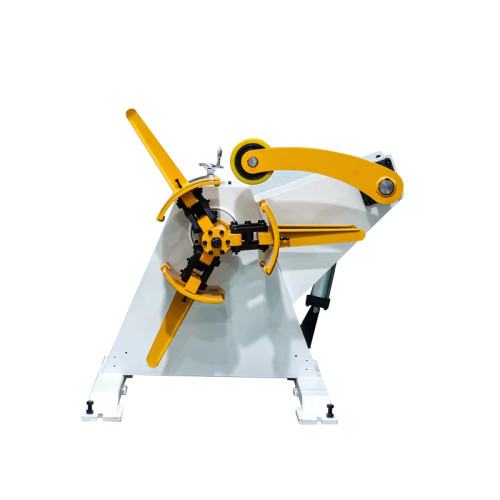
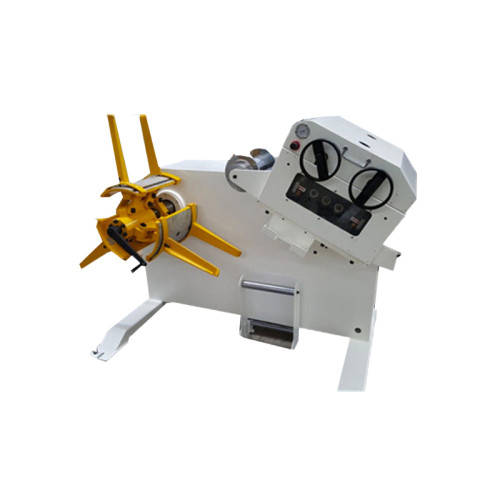
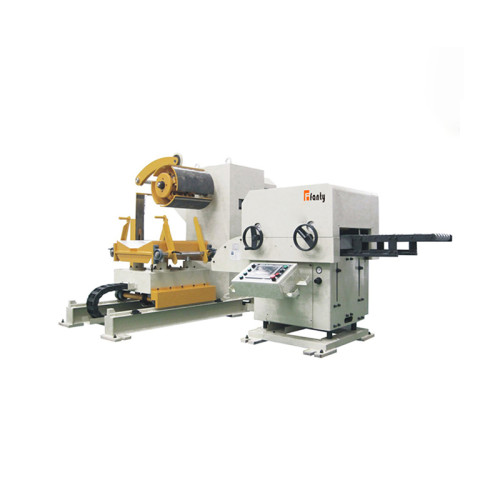
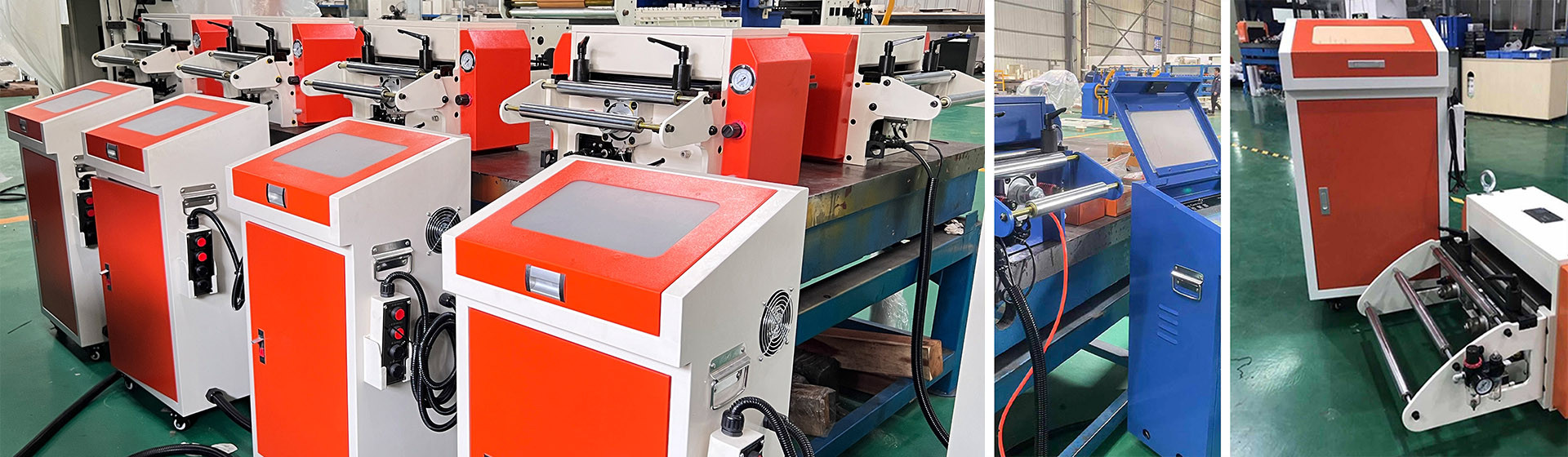
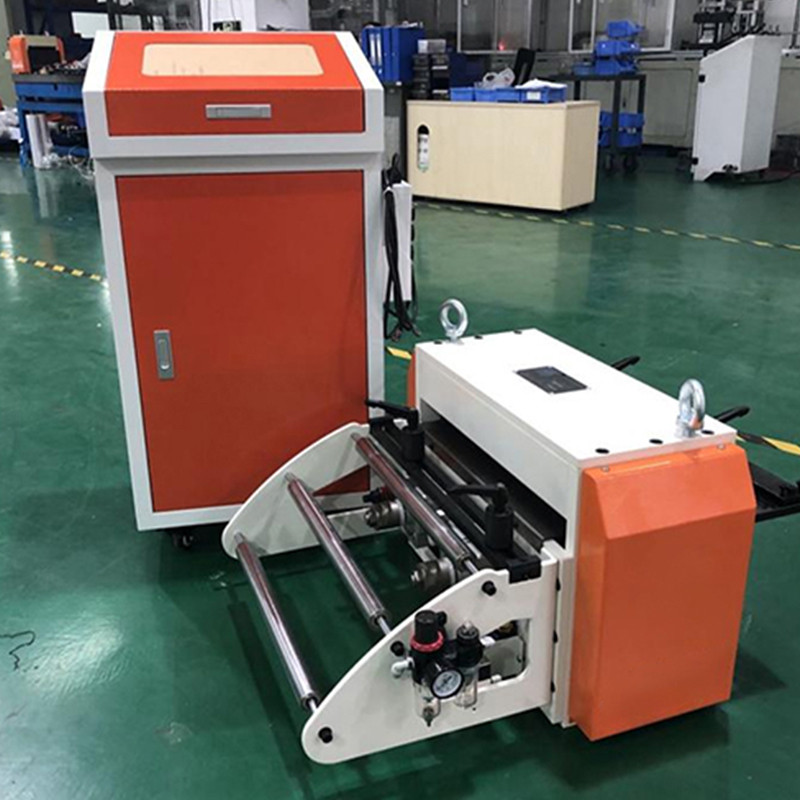
A properly configured 3-in-1 decoiler straightener feeder removes coil curvature before the strip reaches the feed rolls, giving the feeder a flat, predictable strip to work with.
The third variable is alignment. Even the best feeder cannot compensate for a die that is mounted out of position, a press that is out of tram, or a feed height that does not match the die entry. Accuracy improvements usually start with the fundamentals: level the machine, square the die, then fine-tune the feeder parameters.
Accuracy Factors and Corrective Actions
The table below maps the most common accuracy problems in stamping to their root causes and the corrective actions that restore performance.
| Symptom | Root Cause | Corrective Action |
|---|---|---|
| Feed length drifts on long runs | Worn or polished feed rolls reduce grip | Check roll surface, replace the roll pair |
| Intermittent position errors | Encoder cable damage or loose coupling | Inspect cable routing, re-terminate or replace |
| Parts vary with strip thickness | Clamping pressure not matched to material | Set pressure by material thickness and hardness |
| Strip drifts sideways into the die | Coil curvature not fully removed | Adjust straightening roll penetration |
| Accuracy drops when line speeds up | Acceleration profile too aggressive | Tune servo acceleration and deceleration ramps |
| Dimensional scatter after die service | Die or pilots not re-aligned | Re-check die alignment and press tram |
Notice that most of these corrections are adjustments or maintenance tasks, not repairs. The servo feeder rarely fails on its own; it degrades quietly through wear and drift. A regular inspection routine catches the degradation while it is still cheap to fix.
Practical Steps to Hold NC Servo Feeder Accuracy
Here is the operating checklist we hand to maintenance teams on new installations. Follow it and the machine will hold its rated accuracy for years.
- Verify feed length daily — compare the programmed length against actual strip movement on a marked test strip.
- Match clamping pressure to material — thicker or harder strip needs more roll pressure to prevent slippage.
- Keep straightening rolls correctly set — adjust roll penetration for each coil to remove curvature before feeding.
- Protect the encoder cable — route it away from heat and moving parts, and check the connectors monthly.
- Lubricate on schedule — follow the recommended intervals so roll assemblies turn freely and stay accurate.
- Document every change — record parameter adjustments so you can spot drift patterns over time.
Build an Accuracy Management Routine
Accuracy is not a one-time setup; it is a habit. Schedule a short first-piece inspection after every coil change, because a new coil can bring a different thickness, hardness, or coil set, and the feeder settings may need a small correction. Catching a drift in the first piece is dramatically cheaper than catching it after a hundred parts.
At the start of each shift, run a quick five-point check: feed length on a test strip, clamping pressure reading, straightening roll setting, encoder health, and lubrication status. The whole routine takes under ten minutes and gives you confidence that the first part of the shift is a good part.
Keep a simple log of accuracy measurements over time. If the same dimension drifts a little more every week, you are seeing wear, and you can plan the roll replacement during the next scheduled shutdown. This kind of predictive maintenance is how plants with 200+ installed lines hold consistent quality year after year.
Training matters as much as hardware. The most precise NC servo feeder in the world produces scrap in the hands of an operator who does not understand the straightening adjustment or the clamp pressure setting.
Invest a few hours per operator in hands-on training on the actual machine, covering coil change procedure, parameter entry, and the five-point shift check.
In our experience commissioning lines around the world, plants that document their procedures and train every shift consistently outperform those that rely on one experienced operator. When that operator is away, accuracy does not have to leave with them.
Frequently Asked Questions About Stamping Accuracy
What feed accuracy can a modern NC servo feeder actually hold?
On a correctly set-up machine, ±0.05 mm is achievable at normal operating speeds, and FANTY machines are tested to this standard before delivery. Holding it day after day depends on roll condition, material consistency, and the maintenance routine described above.
Why does my stamping accuracy get worse as the shift goes on?
Thermal growth is the usual suspect. As bearings and rolls warm up, clearances and roll diameters change slightly. Some of the drift can be reduced by letting the machine warm up at low speed for a few minutes and by using materials with stable thermal behavior. If the drift is large, check for lubrication loss as well.
Can the straightener section affect stamping accuracy?
Yes, significantly. If the strip enters the feed rolls with residual curvature or a camber, the feeder must work harder to hold position, and accuracy suffers. Keep the straightening rolls properly adjusted for the current material and thickness.
Is it better to check accuracy with a test strip or a part?
Both, for different reasons. A test strip tells you about feeder behavior alone, while a stamped part tells you about the whole system including the die. Use a test strip when tuning the feeder, and a part for first-piece inspection.
How often should the encoder system be verified?
Verify encoder health at least once a month, and always after any electrical work or cable re-routing. The check is quick: compare commanded feed length against measured strip movement over a known distance.
Related reading
Part of the the coil line guide library — the full library of coil handling, straightening and feeding guides from FANTY.
Get Factory-Level Stamping Accuracy
Talk to FANTY about an NC servo feeder configured for your die, material, and speed requirements.
Request a Feeder Quote