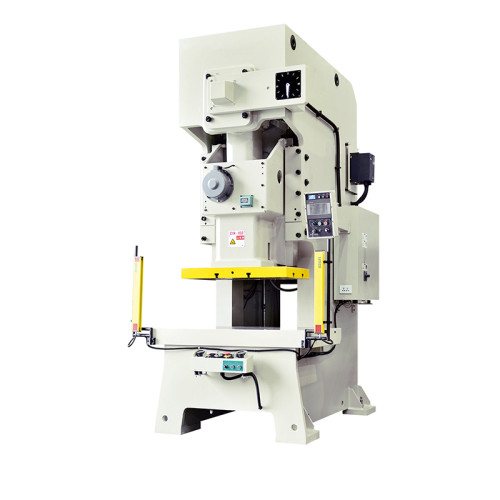
How to Handle Thick or High-Tensile Coils with a Decoiler?
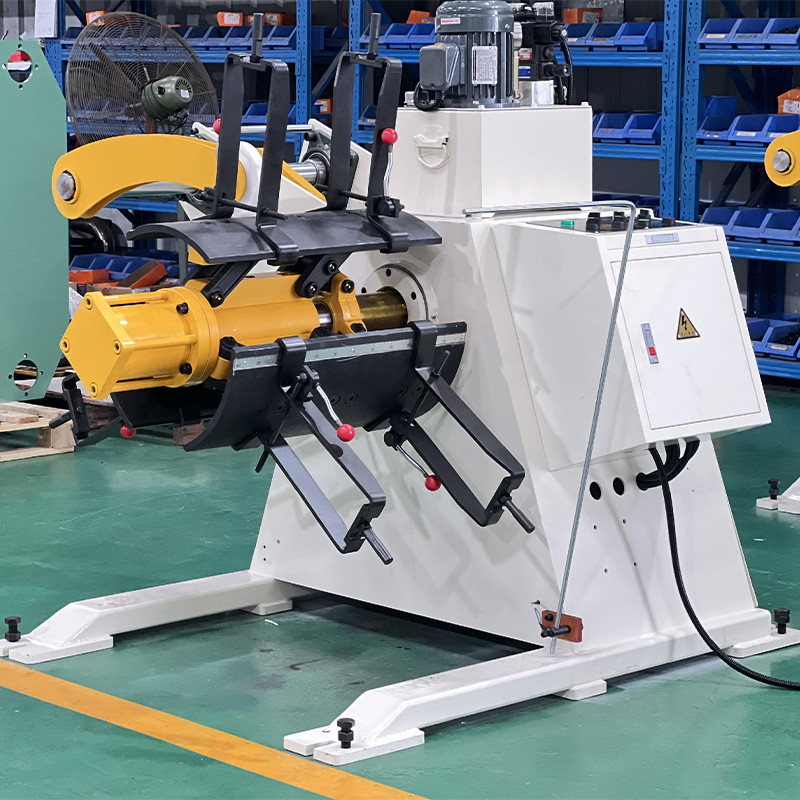
How to handle thick or high-tensile coils with a decoiler is one of the most frequent engineering questions we receive from stamping shops working with advanced high-strength steel. Thick material and high-tensile steel place completely different demands on a coil feeding line than soft, thin strip.
A standard light-duty decoiler simply cannot grip, straighten and feed heavy coils reliably, which leads to coil slippage, telescoping, poor flatness and dangerous shop floor conditions.
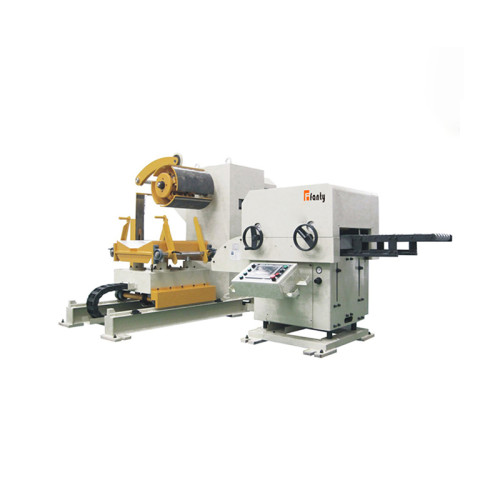
In this guide, FANTY's engineers explain exactly what to look for in a heavy-duty decoiler and how a 3-in-1 decoiler straightener feeder is configured to run thick high-tensile coils with precision and safety.
Why Thick and High-Tensile Coils Are Different
Material thickness changes everything about a coil feeding line. A coil of 3 mm thick mild steel weighs far more than a 1 mm coil of the same width, and the decoiler must handle both the weight and the stiffness.
The stiffness of thick or high-tensile material also creates a unique problem at the straightener. Thin material can be flattened with relatively light roller pressure, but thick high-strength strip needs a straightener with a larger roll diameter, a wider roll spacing and significantly more straightening power.
If the straightening rolls are undersized, the strip comes out with residual curvature, which immediately ruins feeding accuracy and produces rejected parts.
Key Specs to Check When Choosing a Decoiler for Heavy Coils
| Specification | Why It Matters for Heavy Coils | What FANTY Recommends |
|---|---|---|
| Load capacity | Coil weight drives frame and mandrel strength | Match capacity to your heaviest coil plus a safety margin |
| Mandrel expansion | Grips coil ID to prevent slippage | Hydraulic expansion with large range and high grip force |
| Frame rigidity | Prevents flex under heavy load | Stress-relieved thick plate, heavy-duty base |
| Straightening power | High-tensile steel resists bending | Large-diameter hardened rolls with strong backup support |
| Drive torque | Must pull heavy strip without stalling | Oversized motor and gearbox with speed control |
| Safety features | High energy stored in heavy coils | Coil guards, anti-telescoping rollers, emergency stop |
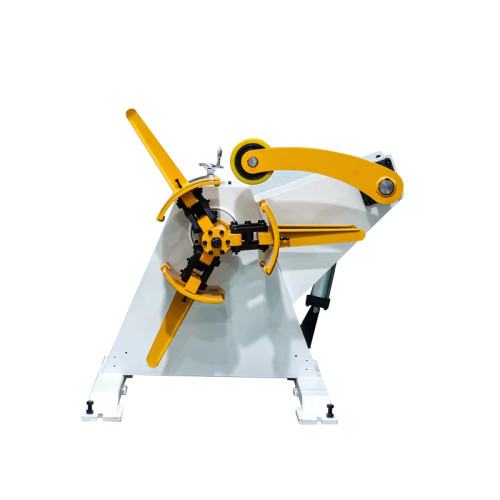
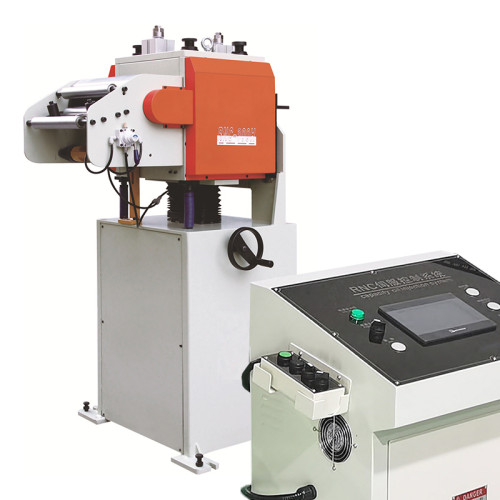
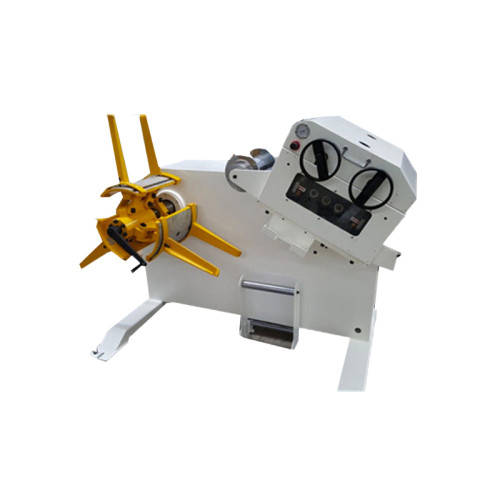
The table above summarizes the critical specifications for a heavy-duty decoiler. FANTY builds a full range of heavy-duty 3-in-1 decoiler straightener feeder machines rated for thick and high-tensile strip, and our engineers help you select the correct load capacity, straightener configuration and servo feeder size for your specific material mix.
Gripping the Coil Safely: Mandrel and Expansion Systems
Heavy coils store enormous energy. If the decoiler mandrel does not grip the coil inner diameter firmly, the coil can slip during acceleration, telescope out of control or even spin off the mandrel, which is extremely dangerous.
Beyond the mandrel, a coil loading system should center the coil automatically and support the strip with an anti-telescoping guide. FANTY's hydraulic decoilers include precision-machined expansion shoes, automatic centering and robust coil guides, so operators can load thick coils quickly and run them without the constant risk of telescoping that plagues light-duty machines.
Straightening Thick High-Tensile Strip Without Residual Curvature
Straightening is where thick and high-tensile materials separate good machines from bad ones. The straightening rolls must be hardened, precision-ground and backed by support rollers that prevent deflection under high separating force.
- Hardened and ground straightening rolls for long service life
- Full-width backup rollers prevent roll deflection under load
- Independent roll gap adjustment for precise flatness control
- Variable straightener speed synchronized with the NC servo feeder
- Digital display of straightener settings for repeatable setup
FANTY's straightener section is engineered specifically for demanding materials.
Feeding Heavy Strip with an NC Servo Feeder
Once the thick strip is decoiled and straightened, it must be fed into the press with precise pitch. Heavy strip is unforgiving: it does not bend easily, and any mismatch between feed timing and press stroke causes jams, die damage or feed length errors.
The servo feed rolls must clamp the strip with enough force to prevent slippage without marking the material surface.
FANTY configures the feed roll clamping pressure and servo torque for your specific material thickness and width, so the machine feeds 3 mm and thicker high-tensile strip smoothly at production speed while holding the ±0.05 mm accuracy that precision stamping requires.
Safety Considerations for Heavy Coil Handling
Heavy coils are one of the most dangerous loads on a shop floor. A 5-ton coil stores tremendous potential energy, and improper handling can cause serious injury.
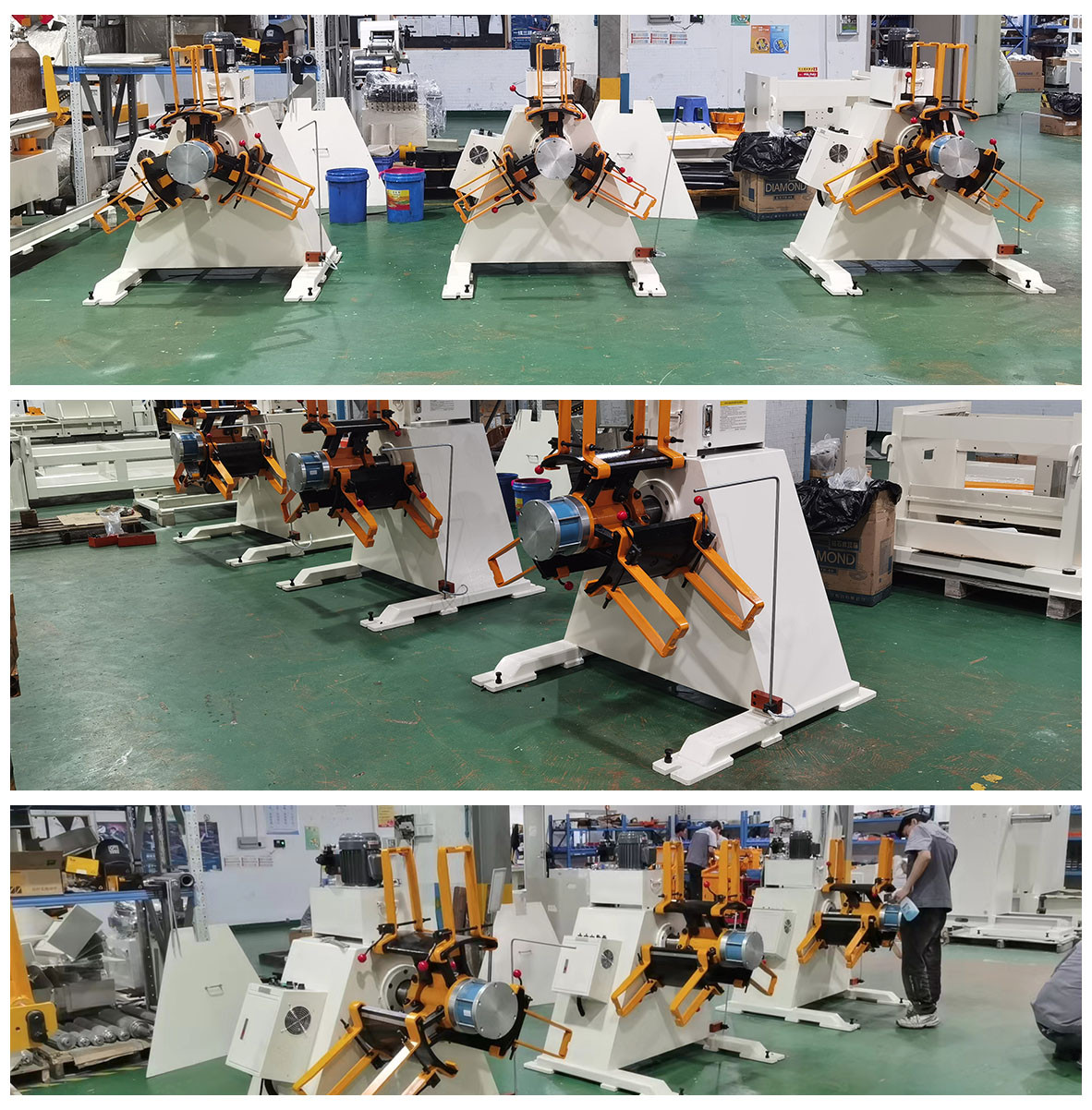
FANTY designs every heavy-duty decoiler and 3-in-1 decoiler straightener feeder with safety as a core requirement, and all machines carry CE certification. Our team also provides operator training with every installation, covering safe coil loading, strap cutting procedures and emergency response, because a safe line is a productive line.
Frequently Asked Questions
Can a standard light-duty decoiler handle thick high-tensile coils?
In most cases no. Light-duty machines lack the frame rigidity, mandrel grip force and straightening power needed for thick or high-tensile material. Running heavy coils on an undersized decoiler risks coil slippage, telescoping, poor flatness and dangerous handling conditions. Always match the machine rating to your heaviest and strongest coil.
How do I choose the right decoiler load capacity?
Calculate the maximum coil weight you will process, including future materials, and select a decoiler rated above that figure with a safety margin. FANTY engineers help you define the load, width, thickness and tensile range of your coils and recommend the correct heavy-duty 3-in-1 decoiler straightener feeder configuration.
Why does my high-tensile strip come out curved even after straightening?
High-tensile steel resists bending, so an undersized straightener cannot fully flatten it. You need larger-diameter hardened rolls, proper roll spacing and strong backup rollers. Residual curvature also appears when the straightener settings are not matched to the material. FANTY provides application-specific straightener configurations and setup guidance.
Is it safe to process thick coils on a 3-in-1 decoiler straightener feeder?
Yes, when the machine is correctly rated and equipped with safety features such as anti-telescoping guides, coil guards, interlocks and emergency stops. CE-certified FANTY heavy-duty machines are engineered for this purpose, and operator training is included so your team handles heavy coils safely and confidently.
Related reading
- how much floor space a coil line needs
- how to thread a coil onto a decoiler
- how to specify a decoiler for a coil line
Part of the the coil line guide library — the full library of coil handling, straightening and feeding guides from FANTY.
Need a heavy-duty solution for thick or high-tensile coils?
Send your coil specifications to FANTY's engineers and get a free recommendation, line design support and a customized quotation.
Send Your Coil Specifications