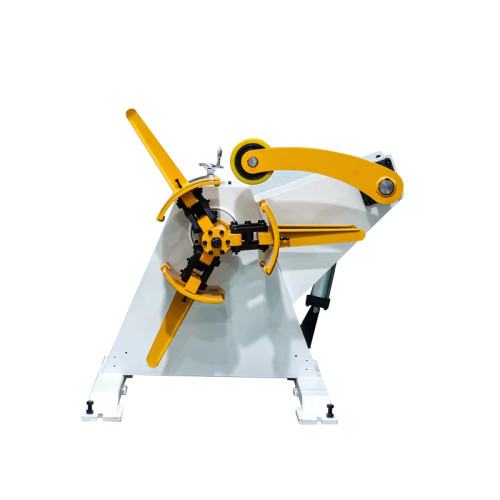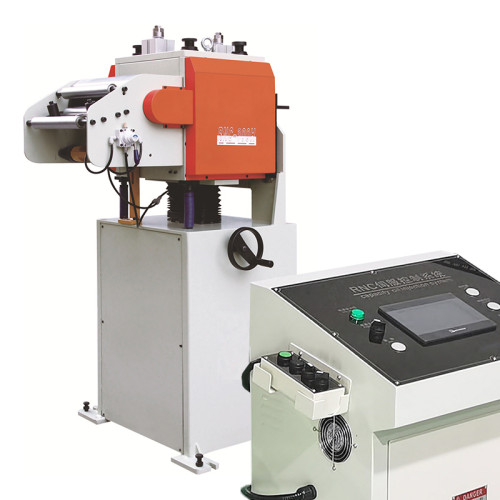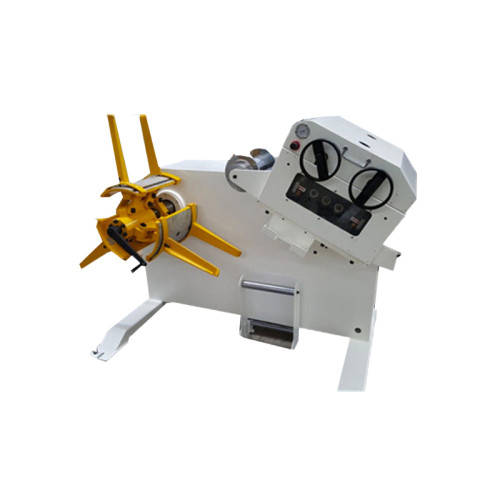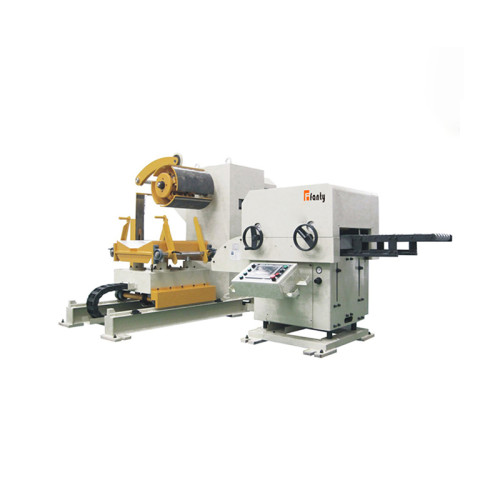
How to Fix Common Motorized Decoiler Brake Problems?
The brake is the most safety-critical component on a motorized decoiler. It controls coil tension, prevents over-run, and stops the coil instantly when the press line stops. When the brake fails, you get telescoped coils, scratched strip, dangerous over-run, or a coil that spins out of control.
This guide explains how the decoiler brake works, how to diagnose the most common faults, and how to fix them before they become major downtime events.
Even if you run a modern 3-in-1 decoiler straightener feeder or a standalone NC servo feeder line, the principles here apply to any coil feeding setup that relies on a decoiler brake for tension control. A small investment in understanding the brake saves hours of troubleshooting later.
How the Motorized Decoiler Brake Works
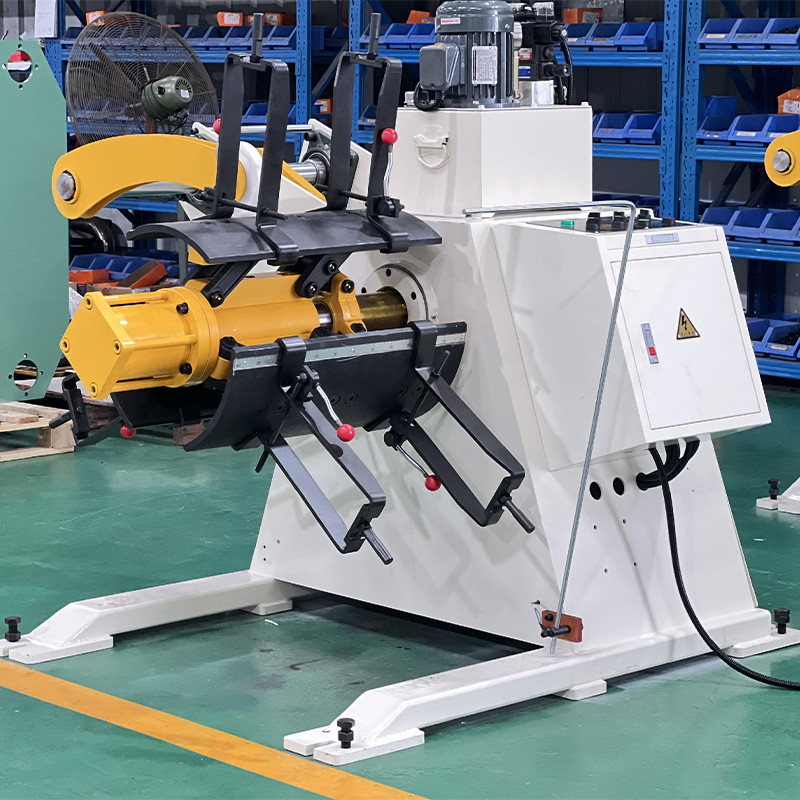
A motorized decoiler uses an electric motor to rotate the coil, and the brake system provides the resistance that creates strip tension.
Understanding this principle explains most brake faults. If the brake force does not match the current coil weight, you will see tension problems at the strip. If the braking mechanism is mechanical and the friction surfaces are worn, you will see inconsistent stopping and over-run.
If the electrical braking circuit has a failing component, you will see intermittent behavior that is hard to pin down.
The decoiler control system typically monitors line speed and strip tension, adjusting the brake continuously. That is why a decoiler brake problem rarely appears as a single dramatic failure — it usually shows up as a gradual degradation of tension control that operators notice as quality problems in the parts being stamped.
Symptom 1: Brake Overheating
Overheating is the most common decoiler brake complaint. If the brake housing or the motor casing becomes too hot to touch, the braking duty cycle is too high or the airflow is blocked. Check the cooling fan and ventilation slots first — dust and coil debris are frequent culprits.
For mechanical friction brakes, overheating accelerates lining wear and can glaze the friction surface, which reduces stopping power permanently. The fix is usually a combination of cleaning, checking adjustment, and reviewing whether the brake duty is appropriate for the application.
If the decoiler frequently runs at slow speed with heavy strip tension, consider whether the brake control settings can be adjusted to share the load more evenly with the motor drive.
An infrared thermometer is the best tool here. Measure the brake housing temperature during normal production and compare it with the manufacturer's limit. If the temperature climbs steadily through the shift, the problem is duty related; if it spikes at specific moments, look for a control fault such as a brake that is not releasing fully between cycles.
Symptom 2: Inconsistent Tension or Strip Slippage
Inconsistent tension shows up as strip that loosens and tightens during feeding, causing wrinkles, buckling, or uneven parts.
If alignment is correct, test the brake response at different coil diameters. A properly set decoiler brake should maintain near-constant tension from full coil to core. If tension is fine with a full coil but weak with a small coil, the brake control is not compensating for the changing coil weight — check the tension sensor signal and the control parameters.
Strip slippage, where the strip slides relative to the coil or through the pinch rolls, is a different fault. Slippage usually means the braking force is too low for the pull, or the strip surface is contaminated with oil that reduces friction.
Clean the strip path, confirm the strip is seated correctly, and verify the brake force setpoint. Persistent slippage at the coil can also indicate that the coil inner diameter is too large for the mandrel expansion range.
Symptom 3: Noise or Vibration from the Brake
Brake noise is a warning you should never ignore. A squeal usually means a glazed friction surface or a contamination problem — oil or dust on the friction faces.
Vibration that appears only when braking is often caused by uneven friction surface contact. The friction pads should contact the disc evenly; if only one edge makes contact, you will feel a pulsing vibration at certain speeds. Check the mounting alignment and replace worn pads as a set, never singly, because a new pad against a glazed one recreates the same problem.
For electrical braking systems, a rhythmic vibration can be a control fault, such as a damaged encoder that makes the drive hunt for the correct speed. Read the drive fault history and check the encoder coupling. A cheap encoder coupling, if worn or loose, produces exactly these symptoms and is easy to overlook during a visual inspection.
Quick Troubleshooting Reference
| Symptom | Likely Cause | Check | Fix |
|---|---|---|---|
| Brake housing hot | Blocked airflow or excessive duty | Fan, vents, duty cycle | Clean, review control settings |
| Tension too weak | Brake force setpoint low | Setpoint, tension sensor | Increase force, recalibrate sensor |
| Rhythmic tension variation | Coil off-centre on mandrel | Coil alignment | Re-center coil, expand mandrel fully |
| Squeal when braking | Glazed or contaminated surface | Friction faces | Clean or replace pads |
| Pulsing vibration | Uneven pad contact | Pad wear pattern | Replace pads as a set |
| Intermittent braking | Loose wiring or failing drive | Terminals, fault log | Re-torque, replace component |
| Strip slippage | Force too low or oily strip | Strip path, contamination | Increase force, clean strip |
Use this table as the starting point for any decoiler brake fault. Work from the cheapest, simplest checks upward, and always record what you find. A short fault log — symptom, cause, fix, and the hours lost — builds a maintenance history that predicts the next failure before it happens.
Preventive Maintenance That Extends Brake Life
Most decoiler brake failures are preventable with a simple routine. At the start of every shift, listen for unusual noise during the first feed and check that the brake releases cleanly. Weekly, clean the friction area and check pad thickness against the wear limit.
Keep spare pads in stock and replace them before they reach the wear limit rather than after a failure. For friction brakes, replace the complete set and re-check the running clearance after installation. For electrical brakes, keep the drive parameters backed up and log any parameter changes so that a future engineer can see what has been altered.
Finally, document every brake service in the maintenance register with the coil sizes and materials run since the last service. This connects brake wear to real production load, which is the data you need to set the right service interval for your specific operation rather than following a generic calendar.
How FANTY Designs Decoiler Brakes for Reliability
FANTY has manufactured coil handling equipment for 12 years, and the brake systems on its motorized decoilers are designed around real shop-floor duty.
FANTY brake systems use robust friction materials, oversized cooling capacity for sustained tension control, and a control interface that works cleanly with an NC servo feeder or a full 3-in-1 decoiler straightener feeder line.
When a brake does need attention, the modular design and documented spares list keep replacement simple. That is the kind of reliability that keeps your coil line running shift after shift.
Frequently Asked Questions
How often should decoiler brake pads be replaced?
It depends on duty. Under normal single-shift operation, pads typically last several months to a year. Check thickness weekly once wear begins to accelerate, and replace the full set before reaching the wear limit marked by the manufacturer.
Why does my decoiler over-run when the press stops?
Over-run means the brake force or braking response is insufficient. Check the brake adjustment, friction surface condition, and the control response time. If the brake releases slowly or pads are worn, stopping distance grows dangerously.
Can an electrical brake fault cause strip quality problems?
Yes. Tension inconsistency caused by a failing brake or drive shows up directly in the parts: wrinkles, buckling, feed length drift, and scratches. If part quality changes without a die or material change, suspect the decoiler brake control.
Is it safe to run with a squealing decoiler brake?
No. A squeal indicates a glazed or contaminated friction surface that will lose stopping power. Stop the line and inspect the friction faces before continuing, especially when heavy coils are involved.
Do I need to service the brake differently for a 3-in-1 machine?
The brake on a 3-in-1 decoiler straightener feeder works the same way, but access can be tighter. Follow the same checks with the machine-specific manual, and keep the control system's tension parameters documented for reference.
Related reading
- how much floor space a coil line needs
- how to thread a coil onto a decoiler
- how to specify a decoiler for a coil line
Part of the the coil line guide library — the full library of coil handling, straightening and feeding guides from FANTY.
Keep Your Coil Line Running with a Reliable FANTY Decoiler
Get a motorized decoiler with a brake system engineered for sustained duty, plus full documentation and spare part support.
Send Inquiry to FANTY