How to Choose Roller Material for an NC Servo Feeder?
Roller material is a quiet specification that has an outsized effect on real-world feeding performance. The wrong roller surface slips on oily strip, wears into a polished glaze, marks soft aluminum, or loses grip exactly when you need pitch accuracy around ±0.05 mm at high stroke rates.
Choosing the right feeder roller material means understanding your material, your lubrication, and your duty cycle before you finalize the machine.
This guide compares the roller options fitted to modern NC servo feeder systems, explains when each material is the right choice, and gives you a practical maintenance routine so the rollers keep their grip for years. Use the comparison table below to shortlist the configuration that matches your press line.
What the Feed Rollers Actually Do
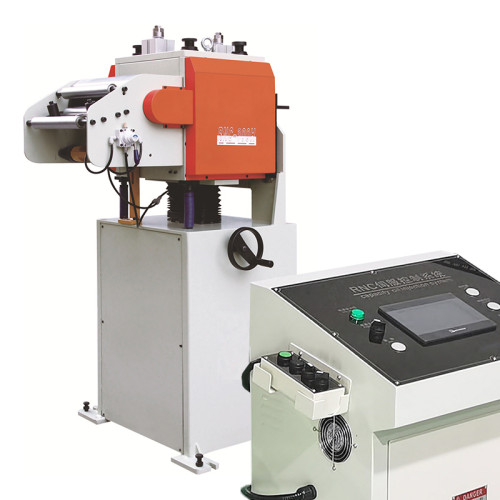
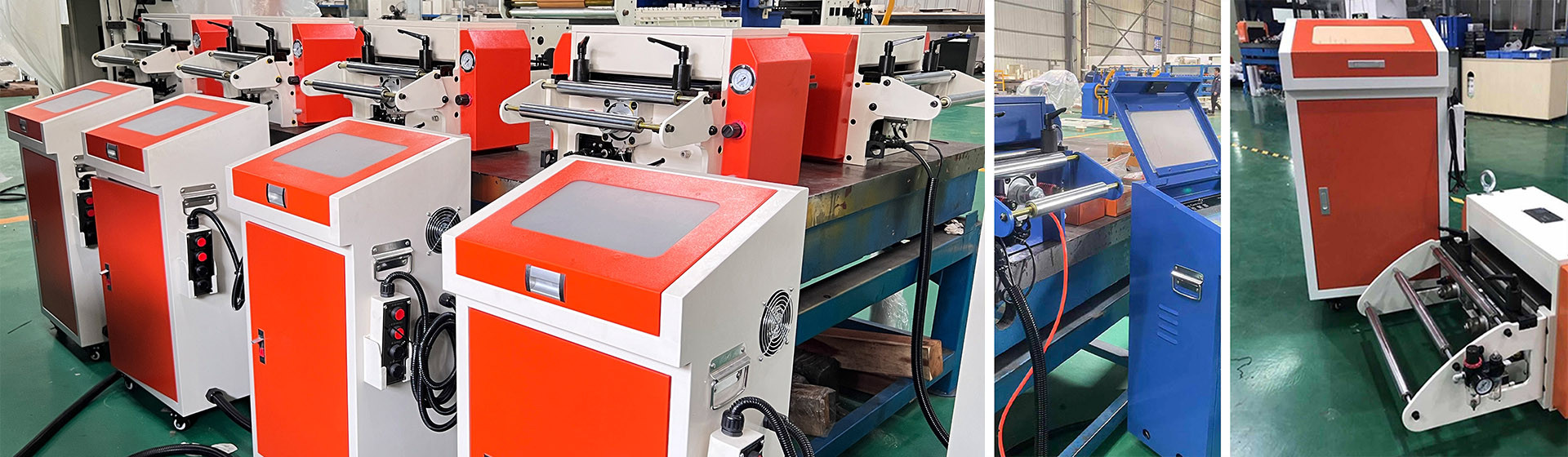
In an NC servo feeder, the strip is driven by a pair of rollers: the powered lower roller is driven by the servo motor through a gearbox, and the upper roller presses the strip against it with adjustable pneumatic or mechanical force.
The upper roller is usually the driven or pinch roller and is the one that wears first, because it carries the pressure and slides against the strip on every feed.
Many feeders use a hardened steel lower roller with a urethane-coated upper roller, a combination that gives good grip on clean strip and protects the strip surface.
When the coating wears thin, operators notice it as slipping under load or as a visible shiny band across the roller face, and that is the signal to resurface or replace.
Roller Material Options Compared
Hardened steel rollers are the default for heavy strip and rough shop environments. They survive years of service, resist cuts from sharp strip edges, and maintain their diameter so feed calibration stays stable.
Polyurethane-coated rollers add grip without marking the strip. Urethane has a high coefficient of friction against steel and aluminum, conforms slightly to the strip surface, and absorbs minor debris without scratching.
The trade-offs are heat sensitivity and wear: at very high speeds or with heavy pressure, urethane can overheat and glaze, and coated rollers eventually need re-coating. Urethane is the standard choice for feeding aluminum, pre-painted strip, and materials that must arrive at the die with a perfect cosmetic surface.
NC Servo Feeder Roller Material Comparison Table
| Roller Type | Best Strip Materials | Strengths | Limitations |
|---|---|---|---|
| Hardened steel | Clean carbon steel, thick and medium gauge | Long life, stable diameter, resists edge cuts | Low grip on oily strip; can mark soft material |
| Polyurethane coated | Aluminum, pre-painted strip, soft or thin steel | High friction, protects surface finish | Wears and can glaze at high speed or heat |
| Knurled steel | Thick, heavy, or slightly oily strip | Aggressive grip, good for high pull force | Leaves a roll pattern; not for cosmetic surfaces |
| Rubber or composite | Light gauge, sensitive materials, foil | Gentle contact, good on very thin strip | Shorter life; must avoid oil and heat |
How to Choose the Right Feeder Roller for Your Job
Start with the strip material and its surface.
Next consider duty cycle. A feeder running 200 strokes per minute all day generates heat in the roller contact zone, and urethane has a lower temperature ceiling than steel.
For sustained high-speed runs on steel, favor steel or steel-urethane combinations with adequate roller diameter and cooling; reserve soft coatings for lower-speed, surface-critical jobs.
Finally, standardize spare rollers with your supplier so a worn roller is replaced with the identical hardness and surface finish, because swapping to a different coating changes the friction and forces you to re-tune the feeder.
Roller Maintenance and Inspection Checklist
- Wipe the roller faces at every shift change with a clean, lint-free cloth to remove oil film and debris before they polish the surface.
- Inspect weekly for a shiny glazed band, cuts from strip edges, or uneven wear across the roller width; any of these means reduced grip.
- Check the pinch pressure and parallelism monthly; uneven pressure wears one side of the roller and skews the strip path.
- Measure roller diameter during service and recalibrate the feed length after resurfacing, since diameter change alters feed distance.
- Store spare rollers upright in a clean, cool place away from oil and direct sunlight, especially urethane and rubber coatings.
- Record roller life per material and speed, and use the data to schedule re-coating before slippage starts affecting part quality.
Roller Problems That Look Like Feeder Faults
Many puzzling feeder problems are really roller problems. A polished, glazed roller slips intermittently, and the operator sees a feed-length error that appears and disappears with material batches, which looks like an encoder or servo fault. A roller worn into a barrel shape feeds the strip slightly off-center and creates a diagonal part, which looks like a die alignment problem. A urethane roller that has absorbed oil loses grip progressively through the day as the machine warms up, which looks like a pressure or temperature fault in the control system.
When you troubleshoot, inspect the rollers before you touch the electronics. Clean the faces, measure the diameter across the width, check the coating for cuts and glazing, and verify pinch pressure.
In the large majority of field cases we support, replacing or re-coating a worn roller restores pitch accuracy immediately without any change to the servo parameters, which is why roller condition should be the first line of your maintenance checklist.
How FANTY Configures Feeder Rollers
FANTY Machinery has built servo feeding systems for twelve years in a 45,000 m² factory with 370 employees and more than 80 R&D engineers.
How often should NC Servo Feeder rollers be replaced?
It depends on material and speed. Clean dry steel with steel rollers can run for years with periodic resurfacing, while urethane rollers on abrasive or high-speed duty may need re-coating every six to eighteen months. Track roller life per job to build your own schedule.
Can I feed aluminum with hardened steel feeder rollers?
You can, but steel tends to mark soft aluminum and may slip if the strip is oily. A urethane-coated upper roller over a smooth steel lower roller is the safer configuration for aluminum and other surface-critical materials.
Why does my feeder slip only after the machine warms up?
Heat changes the friction of the roller contact zone, especially with urethane or rubber coatings that soften when warm, and it can also thin the oil film on the strip. Check roller temperature and consider steel rollers for sustained high-speed runs.
Does roller material affect feeding accuracy?
Indirectly, yes. Any slip between roller and strip produces a feed error, so the roller must maintain consistent friction. With correct pressure and surface condition, both steel and urethane rollers hold pitch accuracy around ±0.05 mm.
Should I keep spare rollers for each material I run?
If you change between steel and aluminum regularly, a dedicated roller set for each material avoids compromise and reduces changeover risk. Keep the sets labeled and store the idle one clean and protected.
Related reading
Part of the the coil line guide library — the full library of coil handling, straightening and feeding guides from FANTY.
Specify the Right Rollers for Your Feeder
Send FANTY your strip material, thickness, surface finish requirement, and maximum speed, and our application engineers will recommend the roller material and configuration for your NC servo feeder, including a spare-roller plan. Every machine is tested on your material before delivery.
Get a Feeder Configuration Recommendation