How to Add an NC Servo Feeder to an Existing Press Line?
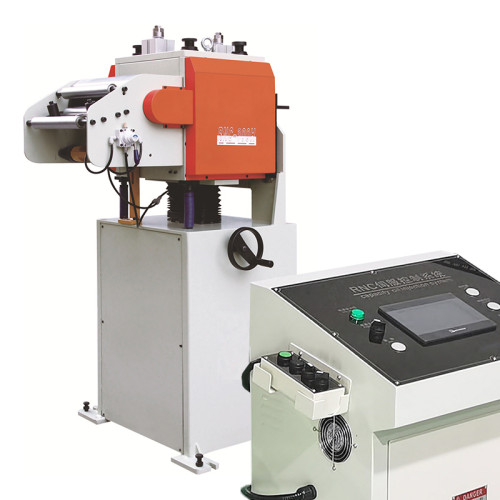
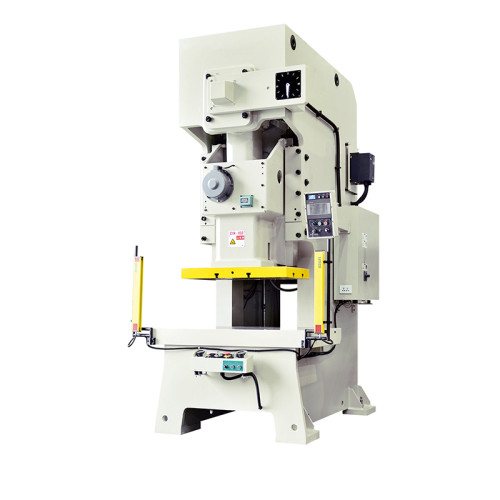
You do not always need a brand new press to get modern feeding accuracy. Thousands of stamping plants around the world are extending the life of their existing presses by adding an NC servo feeder to the line, upgrading hand-fed presses into automated coil-fed cells for a fraction of the cost of new equipment.
This guide explains when retrofitting makes sense, what to check before you commit, and how the integration process works from the first site survey to the first approved part.
If your press is mechanically sound but your feeding is manual, inaccurate, or slow, adding a servo feeder is usually the fastest way to raise output, improve consistency, and reduce operator fatigue without touching the press itself.
When Retrofitting an NC Servo Feeder Makes Sense
The decision to retrofit comes down to a simple calculation: what is the payback on the feeder, compared to the alternative of buying a new press line?
Retrofitting makes the most sense in three situations. First, when your press is underutilized because feeding is manual: the operator can only feed so fast, so the press never runs at its rated speed. A servo feeder removes that bottleneck and can double or triple output per shift.
Second, when quality demands are rising: customers want tighter tolerances, and hand feeding simply cannot hold ±0.05 mm consistently. Third, when labor is scarce or expensive: automated feeding lets one operator run two or three presses instead of one.
There is also a practical reason to consider retrofitting rather than replacing: risk. A new press line means new foundations, new tooling interfaces, new training, and a long commissioning period. Adding a feeder to a proven press keeps everything you already trust, and only upgrades the part of the process that was holding you back.
What to Check Before You Commit
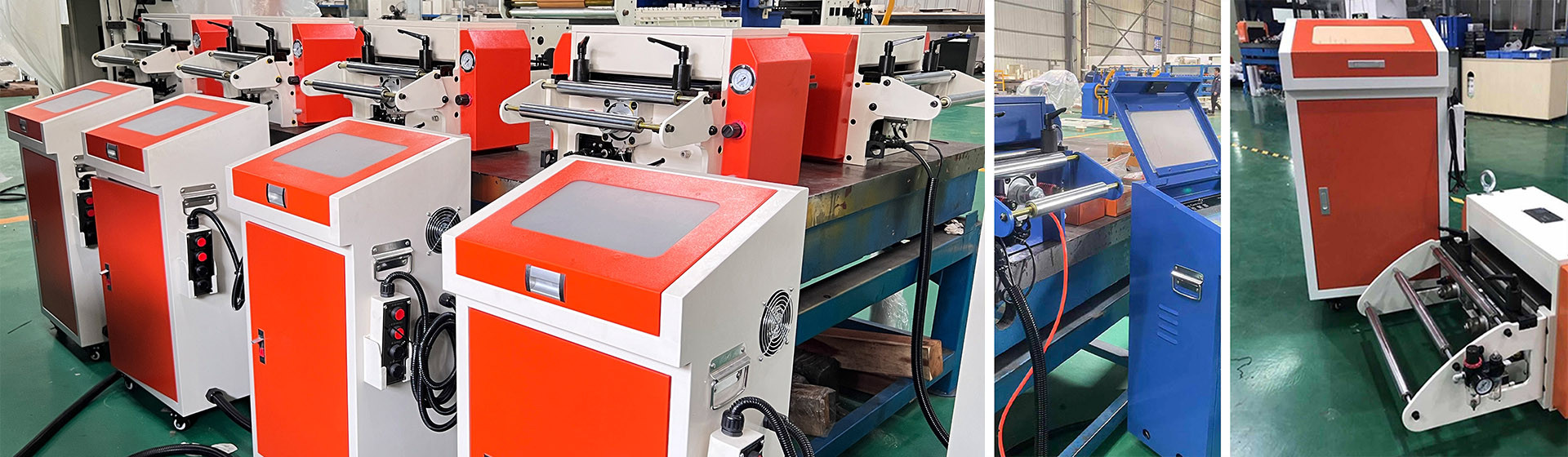
A successful retrofit depends on matching the feeder to the press and the plant. Before you order anything, work through this checklist with the supplier so there are no surprises at installation time.
| Check Item | Why It Matters | Typical Requirement |
|---|---|---|
| Press stroke and speed range | The feeder must synchronize with the press cycle | Feeder signal interface compatible with press controller |
| Die space and mounting area | The feeder mounts in front of the die | Sufficient space between press frame and die |
| Coil width and thickness | Defines the feeder and straightener rating | Feeder range covers all your current and planned coils |
| Feed length and accuracy target | Determines servo drive size and control resolution | Holds ±0.05 mm for your longest feed length |
| Electrical supply and air | Feeder needs power and sometimes air | Stable 3-phase power and clean compressed air |
| Floor space for decoiler | Coil handling needs room beside the press | Space for coil car, decoiler, and operator access |
The electrical interface is the one item that surprises people most. A servo feeder typically receives a signal from the press, usually a cam signal or a proximity switch, telling it when to feed. Most presses can provide this, but older or unusual presses may need a small adaptation.
A competent supplier will ask about your press model before quoting, so that the integration kit arrives with the right interface.
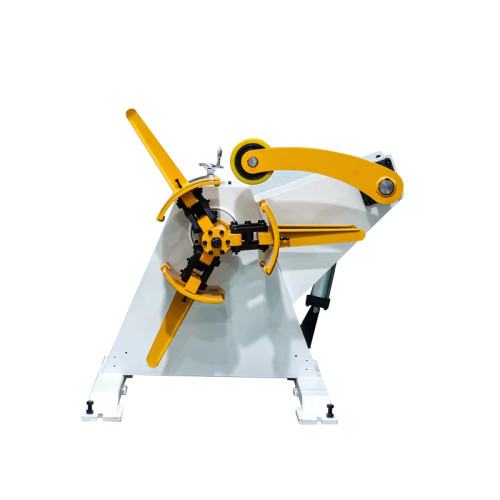
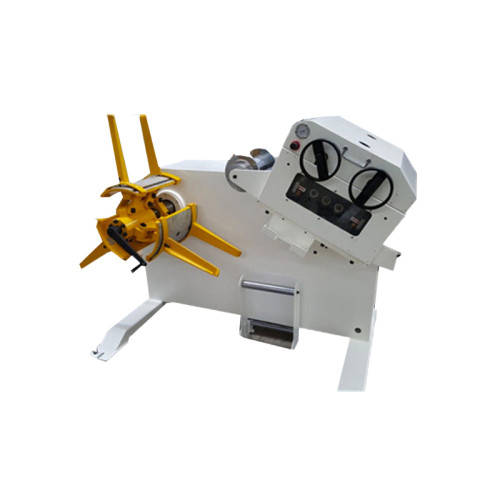
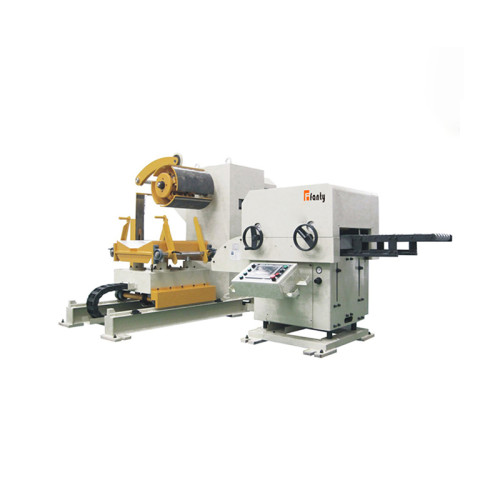
Do not forget the material side of the equation. If you currently feed strip from a reel or coil holder, you will need a decoiler with a matching capacity. Many retrofit projects pair the NC servo feeder with a heavy duty decoiler or a 3-in-1 decoiler straightener feeder to handle coil feeding, because unwinding and straightening are part of the same automation story.
How the Integration Process Works
A professional retrofit follows a clear sequence. Knowing the steps helps you plan the downtime and set expectations with the supplier.
- Site survey: measure the press, die space, and available floor area
- Machine selection: match feeder size, stroke, and control to your parts
- Interface preparation: install the press signal and power supply
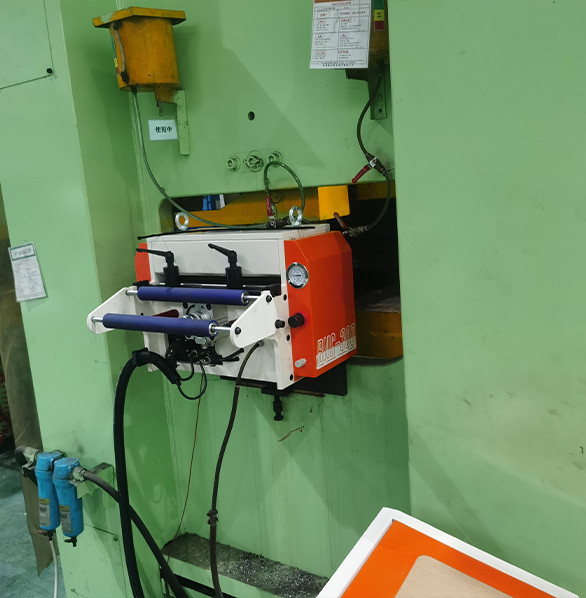
- Mechanical installation: mount the feeder and align it with the die
- Programming: set feed length, speed profile, and synchronization
- Trial run and operator training: prove the first parts, then hand over
The installation itself is usually completed in one to three days for a standard feeder, depending on the complexity of the interface.
One of the great advantages of retrofitting is that you can stage the investment. Many plants start with a single NC servo feeder on their busiest press, prove the accuracy and output gains on real orders, and then expand to the remaining presses as the payback materializes.
Others begin with the full coil-handling package, pairing the feeder with a decoiler straightener to remove manual coil loading from the equation entirely. Both paths reduce risk, because you can validate the technology on one line before committing across the shop floor.
Whatever path you choose, keep the end state in mind. A plant where every press has an NC Straightener Feeder or servo-driven feeding system runs with fewer operators, more consistent quality, and the ability to quote tighter deadlines. That is the destination; the retrofit is simply the first step.
Why FANTY Is a Reliable Retrofit Partner
FANTY Machinery has spent twelve years helping stamping plants automate their existing presses, and retrofits are one of our most common projects.
Our track record gives us confidence. FANTY operates a 45,000 square meter factory with 370 employees and more than 80 R&D engineers. Our equipment is CE certified and more than 200 FANTY production lines are running in over 60 countries.
That field experience means our engineers have integrated feeders with a wide range of press brands, and we bring that knowledge to every retrofit project rather than learning it at your expense.
A retrofit is only as good as the commissioning, so we include operator training with every installation. Your team learns to program feed lengths, change part programs, and handle the everyday adjustments that keep the line running.
When the FANTY team leaves, your operators should be comfortable running the cell on their own, because that is when the investment starts paying back.
Frequently Asked Questions
Can any press be retrofitted with an NC servo feeder?
Most mechanical presses can, provided they can supply a feed signal from the stroke and have space to mount the feeder. Very old or unusual presses may need a small interface adaptation, which a good supplier will handle as part of the project.
How long does the retrofit installation take?
A standard NC servo feeder installs in one to three days, followed by commissioning and training. The total downtime is usually much shorter than waiting for a new press line, which is one of the main reasons plants choose retrofits.
Will I still be able to hand-feed the press if needed?
In most designs, yes. The feeder can be retracted or disengaged for hand feeding, and the press operates normally without the feeder signal. This flexibility is valuable during feeder maintenance or for special jobs.
What accuracy can I expect after retrofitting a servo feeder?
A properly installed and commissioned NC servo feeder typically holds feed length within ±0.05 mm. That level of consistency is simply not achievable with manual feeding, and it is usually the main quality gain of the retrofit.
Related reading
Part of the the coil line guide library — the full library of coil handling, straightening and feeding guides from FANTY.
Upgrade Your Existing Press with an NC Servo Feeder
Send us your press model, coil details, and target feed accuracy. The FANTY team will confirm the integration approach and give you a retrofit proposal with clear payback.
Request a Retrofit Proposal