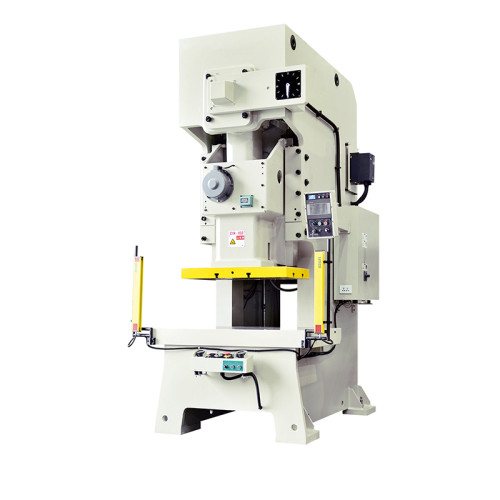
How to Achieve Flexible Stamping with an NC Servo Feeder?
Today's stamping market sends a clear message: customers want smaller batches, faster delivery, and more product variety, all at the same price they paid for mass production.
The shops that survive this shift are the ones that can switch jobs quickly and run different parts on the same press without losing hours to changeovers.
This article explains how an NC servo feeder turns a conventional press line into a flexible production cell, and why flexibility has become the competitive advantage that separates modern stamping plants from the rest.
Whether you run a job shop taking orders from many customers or a component plant feeding a just-in-time assembly line, the ability to change parts fast and feed new materials without mechanical rework is the difference between winning and losing work.
Why Flexibility Is the New Benchmark in Stamping
For decades, the stamping industry was built on one idea: make the same part in huge quantities and drive the cost per piece down. That model still works for some products, but the market has changed.
A flexible press line is not just a machine; it is a system designed for change. The feeding equipment plays the central role, because the feeder is what must adapt every time the part changes. A new part usually means a new feed length, a new pitch, sometimes a new material width.
On a conventional mechanical feeder, that means manual adjustment of cams, gears, or rollers, which takes time and skill. On an NC servo feeder, the same change is a few keystrokes on the control panel, and the machine is ready for the next job in seconds.
This is why we consistently advise stamping plants to look beyond the purchase price of a feeder and count the cost of changeover time. If you change parts twice a day and each changeover costs forty minutes of idle press time, that is more than eighty minutes of lost production every single day.
Over a year, that is hundreds of hours of press capacity that a flexible feeding system would have returned to you. Whether you choose a standalone NC servo feeder or a complete NC Straightener Feeder line, the changeover math is exactly the same: faster setup wins more orders and protects your margins.
How an NC Servo Feeder Delivers Flexibility
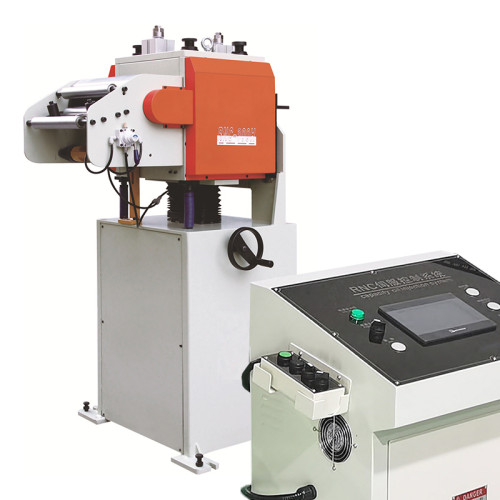
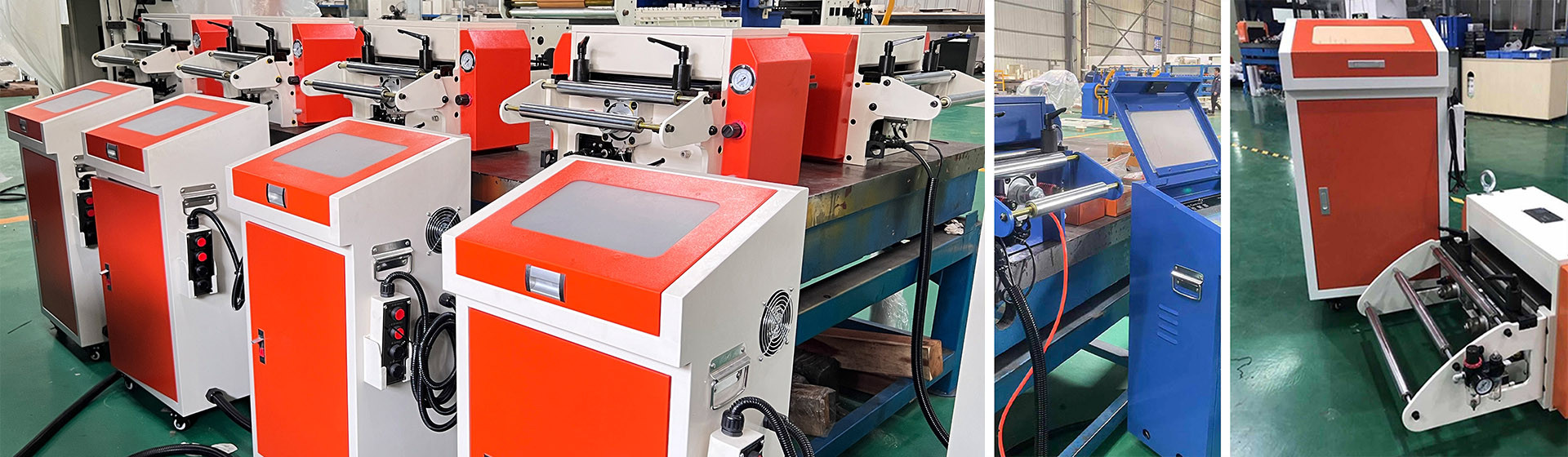
The core of an NC servo feeder is a servo motor and a closed-loop controller that work together to position the strip with extreme repeatability.
This programmability creates flexibility in three ways. First, it eliminates mechanical setup for feed length changes, so changeover time drops from tens of minutes to a few minutes.
Second, it allows the same feeder to handle a wide range of materials, from thin aluminum to thick steel, simply by adjusting parameters instead of swapping components.
Third, it makes trial runs repeatable: once a program is dialed in and approved, every future run of that part starts from a proven setting, which reduces the scrap produced during setup.
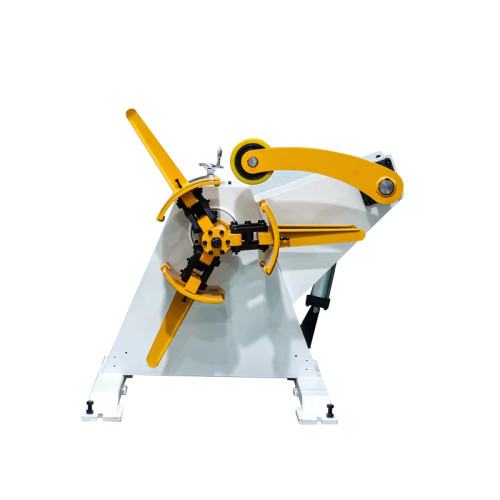
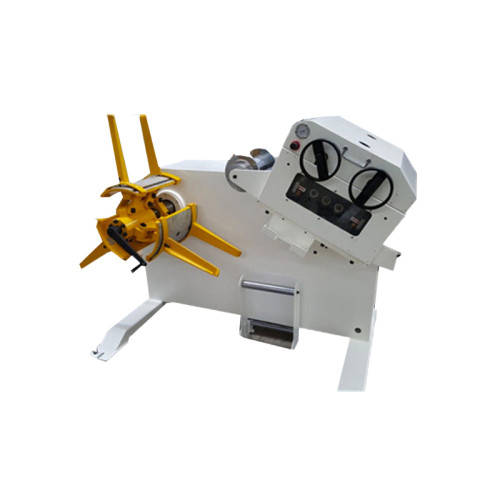
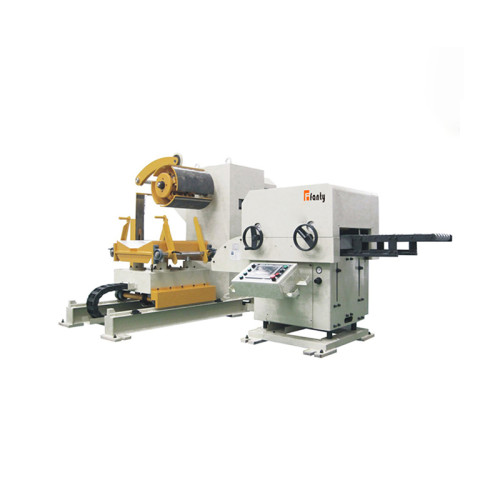
Paired with a 3-in-1 decoiler straightener feeder system, the servo feeder becomes part of a fully integrated coil line that unwinds, straightens, and feeds the strip in one synchronized operation.
The straightener removes coil set and waves from the material before it reaches the die, which improves part quality and protects the die from uneven strip tension. The combination gives you the flexibility of a servo-driven line with the reliability of a purpose-built coil processing system.
| Feeding Technology | Changeover Time | Flexibility | Best Fit |
|---|---|---|---|
| Pneumatic feeder | 15–40 minutes | Low; feed length set by hard stops | Dedicated high-volume parts |
| Mechanical roll feeder | 20–60 minutes | Low; cams and gears must be changed | Single-part, very high SPM lines |
| Gripper feeder | 10–30 minutes | Medium; pitch adjustable in steps | Progressive die work, stable batches |
| NC servo feeder | Under 5 minutes | High; stored programs, any feed length | Mixed batches, frequent changeovers |
The table summarizes why an NC servo feeder has become the default choice for flexible stamping. When your production schedule contains five different parts per week, the ability to recall a program and be running in minutes is not a luxury; it is the difference between a profitable order and a losing one.
Practical Steps to Make Your Line Flexible
Adding an NC servo feeder is the foundation, but true flexibility comes from how you organize the line around it. Here are the practices we recommend to stamping plants that want to cut changeover time and run a wider product mix.
- Store a saved program for every part number you run
- Pre-stage the next coil beside the line before changeover starts
- Use quick-release die clamps to cut die change time
- Standardize coil sizes across products to reduce decoiler adjustments
- Document first-piece inspection settings for every program
- Train operators on program recall and parameter editing
Notice that most of these steps are organizational rather than mechanical.
Building a Flexible Stamping Cell with FANTY
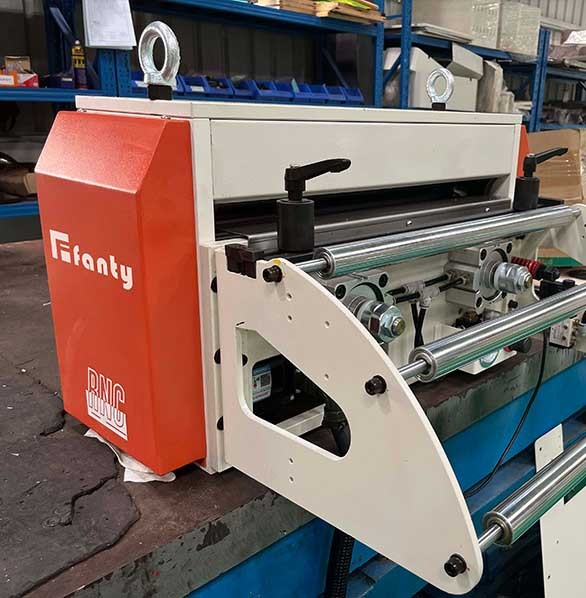
FANTY Machinery has spent twelve years engineering coil feeding systems for stamping plants in more than 60 countries, and flexible production is one of the most common goals our customers bring to us.
Behind the machines is an organization built for support. FANTY operates a 45,000 square meter factory with 370 employees and more than 80 R&D engineers. Our equipment is CE certified and running on more than 200 production lines worldwide.
When you build a flexible cell with FANTY, you are not just buying a feeder; you are getting a partner who can help you choose the right decoiler, straightener, and press combination, train your operators, and support you long after installation.
Flexibility does not have to mean complexity. A well-designed cell with an NC servo feeder, a reliable decoiler, and a proper straightener will let you switch between parts with confidence, quote shorter lead times, and take on work that slower competitors simply cannot handle.
That is the real payoff of flexible stamping: not just lower cost per piece, but the ability to say yes to more of the market.
Frequently Asked Questions
How fast can an NC servo feeder really change over between parts?
With stored programs, a typical changeover is under five minutes: recall the program, load the new coil, and run the first piece. The exact time depends on die change and coil handling, but the feeder itself no longer adds significant setup time.
Can one NC servo feeder handle different material thicknesses?
Yes, within the rated range of the machine. Thickness changes are handled through parameter adjustments such as straightener roll gap and feed force settings, rather than component swaps, which is exactly what makes the system flexible.
Is an NC servo feeder worth the higher price compared to a pneumatic feeder?
If you run mixed batches with frequent changeovers, almost always yes. The time saved on changeovers and the reduction in setup scrap quickly repay the price difference. For a single dedicated high-volume part, a simpler feeder may still make sense.
Do I need a new press to build a flexible stamping line?
No. An NC servo feeder can be integrated with your existing press line. As long as the press has the electrical interface for the feeder signal, you can retrofit flexibility without replacing the press itself.
Related reading
- which part limits feeding accuracy
- what feeding accuracy to expect
- how to hold feed accuracy on a coil line
Part of the the coil line guide library — the full library of coil handling, straightening and feeding guides from FANTY.
Make Your Stamping Line Flexible Today
Tell us your part mix and changeover pain points. The FANTY team will recommend the right NC servo feeder configuration and show you how to cut setup time dramatically.
Talk to a Stamping Automation Expert