Common Stamping Line Automation Mistakes to Avoid?
Automating a stamping line sounds like a straight upgrade: replace the manual feeding with an NC servo feeder, add a decoiler and straightener, and let the line run.
Yet the shops that get the best results from automation are not the ones that spend the most; they are the ones that avoid the predictable mistakes that turn a promising project into an expensive lesson.
After working with hundreds of plants on coil line automation, the same errors appear again and again, and they are almost never technical. They are planning errors, data errors, and people errors. This guide describes the most common mistakes and, more usefully, the habits that prevent them.
Read this before you write the capital request, and share it with everyone involved in the project. Automation succeeds when the whole team understands what it can and cannot do, and most failures trace back to a misunderstanding that this list would have caught early.
There is a sixth mistake that deserves mention because it is the quietest and the most corrosive: failing to celebrate and protect the gains. A line that reaches its target after commissioning can slowly drift back to old habits as procedures are forgotten, spares are borrowed, and the setup discipline relaxes.
The plants that sustain their automation gains are the ones that keep the performance board updated, review the numbers in the monthly meeting, and treat any regression as a problem to solve rather than a return to normal.
Automation is not a one-time event that ends at commissioning; it is a standard of operation that the plant maintains every shift, and the management attention that protects the standard is as important as the machine that set it.
Mistake One: Automating a Process You Have Not Measured
The most common mistake is automating first and measuring later.
The fix is to measure before you spend. Record the scrap, the stops, and the changeover times for a month, and use those numbers to write the automation specification. The measurement effort also builds the baseline you will need after installation to prove the automation paid for itself, which is the evidence the next capital request will rely on.
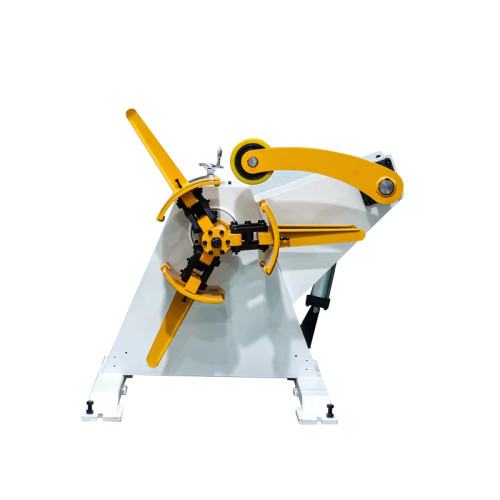
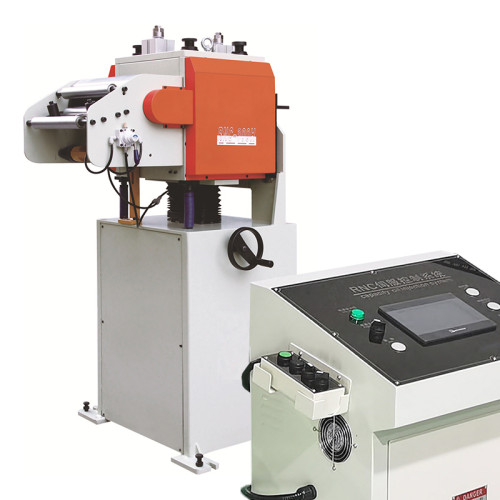
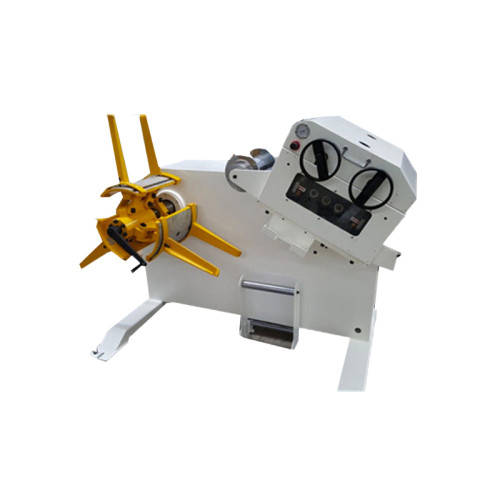
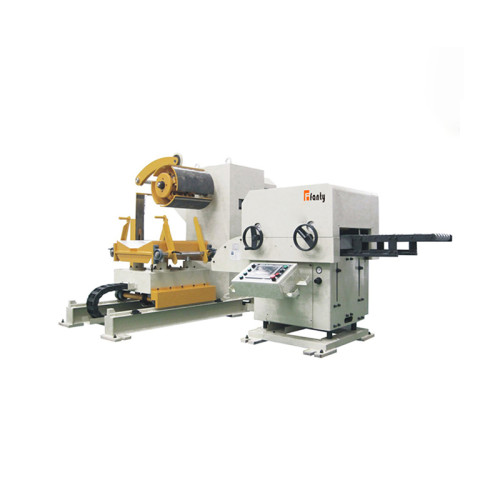
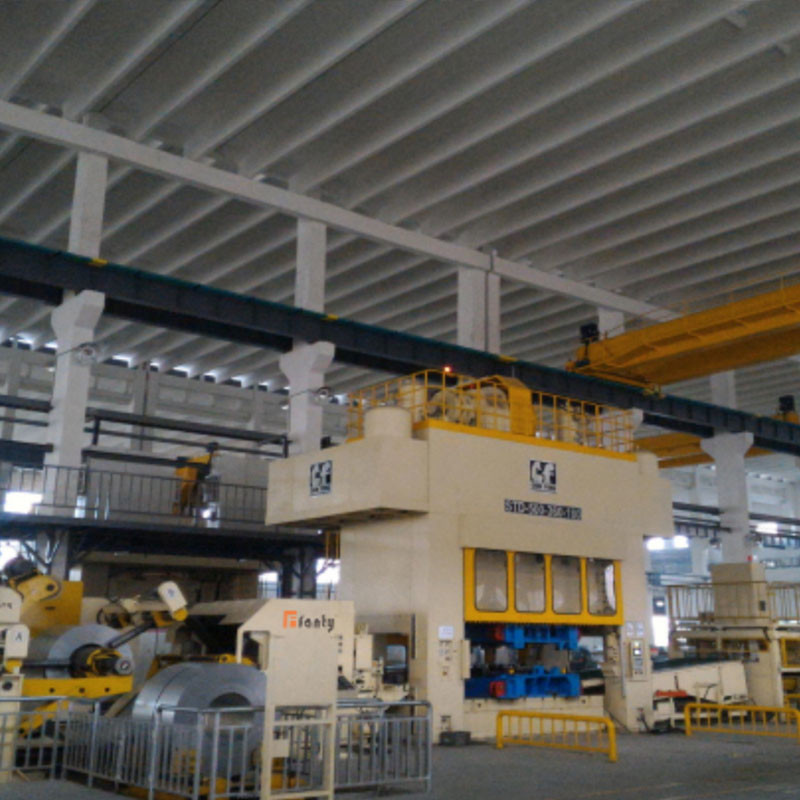 stamping automation system.
Mistake Two: Buying the Biggest Machine Available
The second mistake is over-specifying: buying the largest feeder, the widest decoiler, or the fastest straightener because the budget allows it or because the salesman's table makes it look like good value.
An oversized machine costs more, occupies more floor space, and often runs worse on the actual jobs, because a feeder tuned for its maximum capability is less precise at the small feed lengths and light materials the plant actually runs.
The fix is to specify from the real range, not the theoretical maximum. If the plant runs strip between 100 and 300 millimeters wide, a machine rated for 400 millimeters is right; one rated for 600 millimeters is a waste. Match the machine to the jobs you have and the jobs you can realistically quote, and leave a modest margin rather than a factor of two.
Mistake Three: Ignoring the Operators
The third mistake is designing the automation without the people who will run it.
- Involve operators in the specification. Ask them what slows the current line; their answers are often the real problem the automation must solve.
- Train before the machine arrives. Good training starts with the HMI logic, not just the buttons, so operators understand why the machine behaves as it does.
- Give the team the credit. When the line improves, the operators who run it should own the result, because they are the ones who will protect the improvement.
A plant that brings its operators into the project from the start gets a smoother installation, a faster ramp-up, and a line that keeps improving after the engineers leave.
Mistake Four: Forgetting the Process Around the Machine
The fourth mistake is treating the automation as a machine purchase rather than a process change.
The fix is to plan the whole process before installation. Decide how coils arrive and are stored, who threads the strip and how, what the changeover sequence is, and how maintenance will access the machine. Write these procedures down and train the team on them before the first production run, and the automation will perform as designed instead of as improvised.
Mistake Five: Skipping the Commissioning Discipline
The fifth mistake is rushing commissioning to get the line into production. Commissioning is not the delay before production; it is the process that makes production reliable.
| Commissioning step | What skipping it costs | What doing it gains |
|---|---|---|
| Interlock and safety test | Risk of a crash or an injury | A line that stops safely in every fault |
| Feed accuracy verification | Scrap from an unverified pitch | Parts in tolerance from the first run |
| Operator training | Slow ramp-up and operator errors | Confident operators from day one |
| Documentation handover | Maintenance guessing at the wiring | A serviceable machine for its whole life |
The plants that resist the pressure to rush commissioning are the ones whose lines are still running reliably a year later, because the discipline of the first week set the standard for every week after.
Frequently Asked Questions
How long does a typical line automation project take?
From order to full production, a coil line automation project typically takes eight to sixteen weeks, including manufacturing, delivery, installation, and commissioning. The schedule depends on the machine's complexity and whether it is a standard model or custom-built.
Should we automate one line first as a pilot?
Yes, if you have multiple similar lines. Automating one line first lets you prove the process, train the team, and refine the procedures before rolling the approach to the other lines. The pilot also produces the payback data that justifies the next investment.
What is the most important thing to get right?
Specifying the machine from real production data. Every other step, from the payback calculation to the commissioning test, depends on the machine matching the actual jobs, so the measurement and specification phase is where the project is won or lost.
Can we automate a line with very small batches?
Yes, if the automation is chosen for fast changeover rather than maximum speed. A servo feeder with recipe storage and a quick-change coil system can make small batches economical by cutting the setup time that made them expensive.
Who should manage the automation project?
A project owner with authority over production, maintenance, and purchasing should manage it, supported by the equipment builder's project engineer. Automation crosses departmental lines, and a project with no single owner drifts when decisions fall between departments.
Related reading
Part of the the coil line guide library — the full library of coil handling, straightening and feeding guides from FANTY.
Plan Your Stamping Automation the Right Way
FANTY engineers work with you from the measurement phase to full commissioning, so the coil line is specified from your real data and the team is trained before production. Tell us about your current line and we will help you plan the automation that actually pays back.
Start Your Automation PlanFanty · NC Straightener Feeder
Coated, High-Strength or Thin Gauge? Each Needs Different Rolls
Roll finish and pressure setting decide whether you mark the surface or hold flatness. Send your material spec and we size the straightener feeder properly the first time.
Get a Free QuoteFANTY Machinery · 13 years on stamping automation · 2,000+ coil lines installed · engineers reply within 24 hours