What Does a Coil Line Warranty Actually Cover?
A buyer in Ohio signed a 24-month warranty and spent the first eleven of those months waiting for the machine to clear customs. The policy was honest. It was also worth thirteen months, not twenty-four.
Coil line warranties are short documents, and the money sits in the exclusions rather than in the term.
What follows is what a policy typically covers, what a claim really costs, and three clauses worth changing before signature.
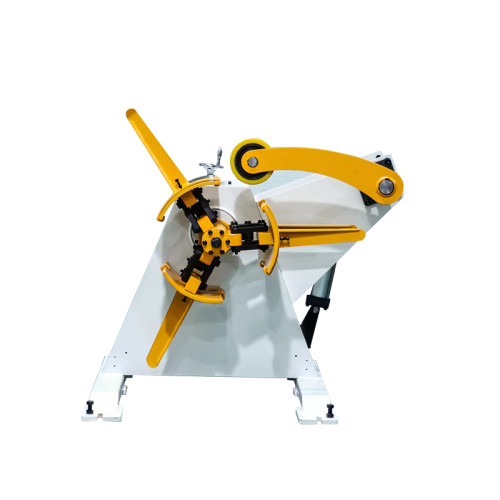
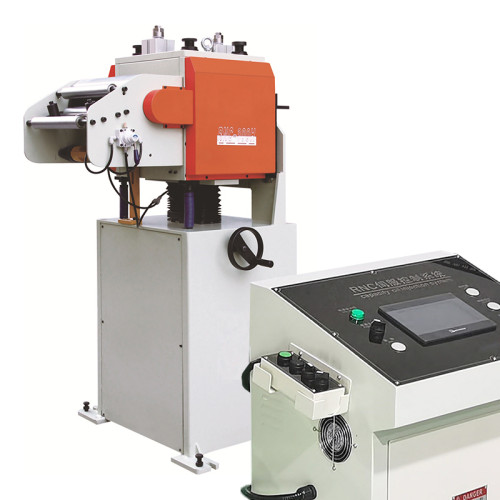
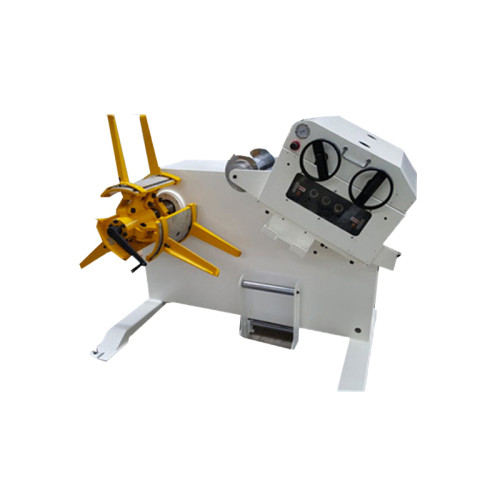
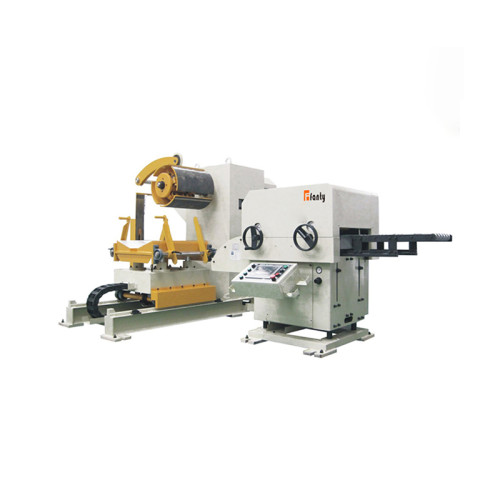
The reference machine here is an NC straightener feeder line, though the same structure repeats across the coil line range we build for North America and Europe.
Read the Exclusion List Before the Term
Ask for the exclusion list first. Every supplier quotes 12 or 24 months, and almost none prints the exclusions on the front page of the offer.
The list is predictable once you have seen three of them. Rolls, seals, brake friction linings, belts, bearings, proximity switches and pneumatic valves are wear parts and are rarely covered.
Damage from overload, coil end whip, wrong supply voltage, water in the air line and unapproved modification is excluded everywhere, and those exclusions are reasonable.
Labour is the clause buyers misread. Parts may be free while the technician's flights, hotel and per diem land on your purchase order instead.
Freight is the second misread. A 60 kg servo motor sent air freight from Asia costs 400-900 USD, and most policies leave that with the buyer.
Read the exclusion list against your own maintenance plan. If the plan replaces rolls every 18 months, a 24-month parts warranty on rolls is worth nothing at all.
| Policy element | What it typically gives you | Where it costs you |
|---|---|---|
| Term start | 12 or 24 months of cover | Tied to shipment, so 45-75 days burn on the water |
| Parts cover | Failed components replaced free | Freight, customs and labour usually stay yours |
| Wear-part list | Clear statement of what is excluded | Rolls and brake linings are the two that fail first |
| Response clause | 48-hour remote reply | No commitment on when the part actually ships |
| On-site labour | Included in the first 12 months | Travel days are counted as calendar, not working, days |
Counting What a Claim Really Costs
A warranty replaces a part. It does not replace the press time that part was holding, and the second number is the one that reaches your plant manager.
A 400 t progressive line running appliance brackets loses roughly 1,200-2,000 USD an hour when it stops, depending on labour rate and whether a buffer keeps the welder fed.
A failed feed roll bearing is a 200 USD part and a 6-9 hour stop. The arithmetic that matters is the second figure, not the first.

Log every stop honestly: time to detect, time to diagnose, time to part on site, time to restart. Warranty covers none of those four columns.
That log is also your negotiating evidence at renewal. Suppliers price extended cover on claim history and maintenance records, not on machine age.
Two lines bought in the same year from the same builder can be quoted 40% apart on extended cover, and the difference is almost always the logbook.
Where Wear Parts Sit in the Policy
The roll set decides whether the policy is worth its paper, because it is the wear item that carries real money.
Chrome-plated feed rolls on a 1,300 mm line typically run 800,000-1,500,000 strokes between regrinds on 1.2 mm CRS, and take two or three regrinds before replacement.
A replacement set usually runs 8-14% of machine price. On a 120,000 USD line that is 10,000-17,000 USD, and it is excluded by design in nearly every contract.
Ask for the wear-part list with part numbers and unit prices attached to the contract. A list without prices is a promise to negotiate later, at your weakest moment.
Ask what ships in the commissioning spares kit. Two roll sets, a brake lining, four proximity switches and a full seal kit is a reasonable request on a 3-in-1 line.
Price that kit into the machine order rather than buying it after the first failure. Spares ordered with the machine avoid freight, customs and the four-week wait.
Three Clauses Worth Changing Before You Sign
The first clause is the start date. Default language ties the term to shipment, so ask for commissioning or site acceptance, whichever comes later.
Sea freight plus customs plus rigging runs 45-75 days. On a 12-month policy that is 12-20% of the cover gone before the first coil turns.
The second clause is the parts dispatch clock. Ask for 72 hours on stocked parts, and air freight at the supplier's cost while the machine is under warranty.
The third is the wear-part definition. Tie it to a numbered list with prices, and price a two-year spares kit into the order at the same time.
- Start date: commissioning or site acceptance, whichever is later.
- Dispatch clock: 72 hours on stocked parts, air freight at their cost.
- Wear parts: a numbered list with prices, plus a two-year kit on the order.
Suppliers accept these three more often than buyers expect, because all three cost less than a single on-site service trip from Asia to Europe.
Put the clauses in the purchase order, not in an email thread. An email is evidence of intent; the PO is the contract a lawyer will read.
Most disputes begin at site acceptance rather than in the warranty year. We set out the usual failure points in why coil lines fail their site acceptance test.
How the Claim Timeline Runs
A claim that closes well has six steps, and each one produces a document. Claims fail on paperwork far more often than on merit.
| Step | What you send | What it should unlock | Where it slips |
|---|---|---|---|
| 1. Detect and stop | Fault code photo and strip sample | 48-hour remote reply | Weekend starts the clock at 72 hours |
| 2. Remote diagnosis | Video of the fault at running speed | Written cause and part list | No commitment on dispatch date |
| 3. Part release | Serial number and PO reference | 72-hour dispatch on stock | Non-stock parts run 3-5 weeks |
| 4. Freight | Commercial invoice and HS code | Air freight at seller cost | Customs clearance stays with you |
| 5. Install | Technician report and photos | Cover on the replacement part | Labour excluded after month 12 |
| 6. Close | Signed service report | Claim closed in writing | No credit for lost production |
Keep the serial number, the commissioning report and the contract in one folder. Fifteen minutes of filing saves a week of argument.
Photograph the failure before anyone cleans it. A wiped bearing housing tells a service engineer nothing once the grease is gone.
What a Warranty Cannot Protect Against
A warranty covers manufacturing defects. It does not cover the four failures that actually stop coil lines, and pretending otherwise costs buyers real money.
Die damage from a misfeed is excluded, and it is usually the largest single number in the incident. A progressive die repair runs 3,000-25,000 USD depending on stations and lead time.
Material problems are excluded as well. A coil outside the thickness or yield spec will mark rolls and overload the drive, and the claim will be declined with photographs attached.
Power quality is the third. A 15% voltage sag trips drives that were healthy the day before, and no machine policy covers the utility.
The fourth is maintenance. Missed lubrication intervals void bearing and slide coverage in most contracts, and the evidence against you is your own logbook.
The honest limit is this: warranty protects the machine's capital value, not your production. Budget downtime separately, because nobody else in the chain will.
Does a 24-month warranty really start at commissioning?
Only if the contract says so. The default in most offers is shipment date, which hands 45-75 days of sea freight and customs to the buyer.
How much does a spare roll set cost outside warranty?
Typically 8-14% of machine price, or 10,000-17,000 USD on a 1,300 mm 3-in-1 line. Regrinding at 0.2 mm per pass costs far less if the rolls are still round.
How fast should a claim close on a coil line?
48 hours to a remote reply, 72 hours to dispatch on stocked parts, and 5-10 days to site. Anything beyond three weeks is a supply chain problem, not a policy problem.
Is extended cover at 4% of machine value worth it?
It pays if you carry no spares and run three shifts. With a stocked kit and a maintenance log, the same money buys a spare roll set instead.
What voids a coil line warranty fastest?
Third-party parts fitted without approval, then missed lubrication. Both are visible in the service report, and both are hard to argue once recorded.
Where to go next
Warranty is one line in the purchase arithmetic, and it sits next to freight, duties, electrical work and spares. The full cost map, including which specs you can safely drop, is in our coil line knowledge base.
The Coil Line Guide Library