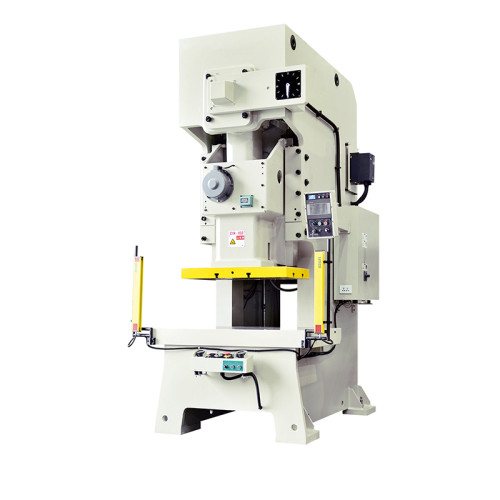
Hydraulic or Motorized Decoiler: Which One to Choose?
Choosing between a hydraulic decoiler and a motorized decoiler is one of the first technical decisions in any coil stamping or roll forming project, and getting it wrong is expensive. Both machines unwind metal coil, but they do it in fundamentally different ways: the motorized decoiler drives the coil with an electric motor through a gearbox, actively pushing strip toward the straightener, while the hydraulic decoiler uses a hydraulic system for expansion and braking, relying on a pull force downstream to draw the strip off the coil. Each design has its own strengths in accuracy, cost, maintenance and suitability for different materials. This guide compares them side by side, explains which applications favor each type, and shows how FANTY sizes the right decoiler machine for a given press line.
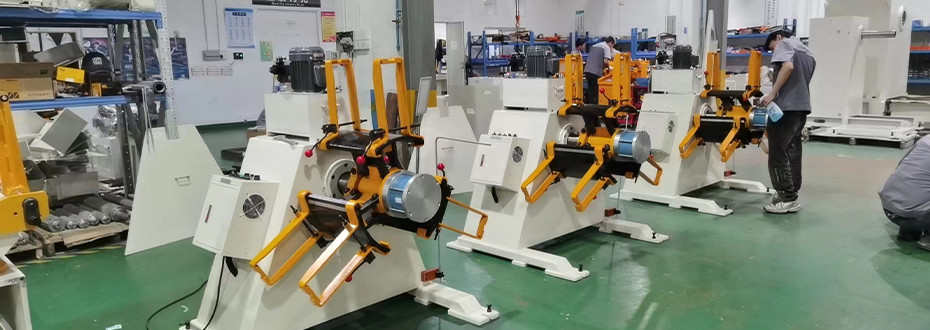
How a Motorized Decoiler Works
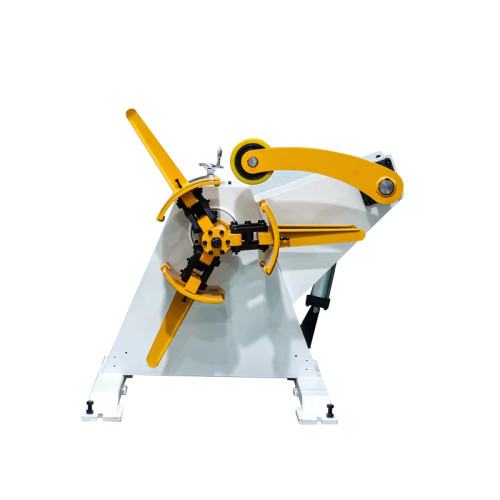
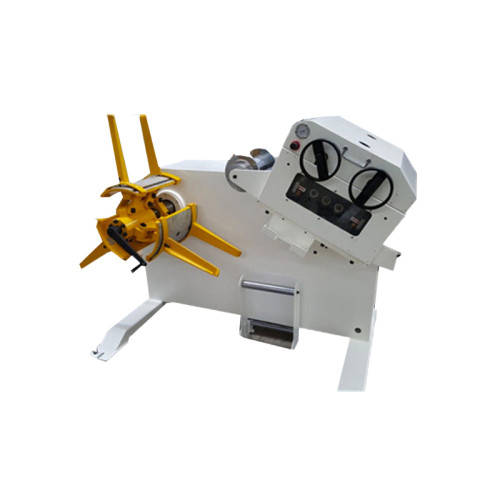
A motorized decoiler, also called an uncoiler with driven mandrel, consists of a motor-gearbox assembly that rotates the mandrel, a pneumatically or manually expanded mandrel to grip the coil bore, and a braking system that can slow or stop the coil. When the line runs, the motor rotates the coil at a speed synchronized with the downstream equipment, maintaining a controlled loop of strip between the decoiler and the straightener or feeder. A loop sensor - typically a photocell or mechanical arm - adjusts motor speed automatically so the loop neither collapses nor grows too large. This active drive gives the motorized decoiler its defining advantage: it does not rely on downstream pull to turn the coil.
Because the motor handles both acceleration and braking, a motorized decoiler provides very smooth, consistent strip tension. That matters for thin materials, soft materials such as aluminum or copper, and high-speed stamping, where jerky strip motion causes feeding errors and inconsistent part quality. The drive also eliminates the belt-and-brake friction that wears on passive designs, and it makes the line easier to automate: the PLC knows the coil state and coordinates it with the feeder. For shops running progressive dies at high SPM, the motorized decoiler is the standard choice precisely because of this synchronization.
How a Hydraulic Decoiler Works
The hydraulic decoiler replaces the electric drive with a hydraulic system that performs two jobs: expanding the mandrel with high force to grip the coil securely, and providing braking resistance to prevent the coil from overrunning. The strip is pulled off the coil by the downstream machine - usually a straightener-feeder or a roll former - which supplies the tension. Because the hydraulic decoiler does not actively push strip, it is simpler mechanically, with fewer moving parts in the drive train and lower initial cost. The hydraulic expansion also delivers very high clamping force, which is why hydraulic decoilers are popular for heavy coils and high-tensile materials that need a rock-solid grip on the mandrel.
The trade-offs of the hydraulic design are worth understanding. Without an active drive, strip tension varies with downstream pull, so thin or soft strip can flutter or surge, and the decoiler depends on the downstream machine to start and stop the coil. Braking is provided by a hydraulic or mechanical brake that wears over time and must be adjusted. The hydraulic power unit adds a pump, valves and hoses, increasing maintenance points compared with a purely electric motor. For many mid-weight applications, however, these trade-offs are perfectly acceptable, and the lower investment and robust coil grip make the hydraulic decoiler a very rational choice.
Motorized vs Hydraulic Decoiler: Side-by-Side
The table below summarizes the practical differences that matter when you specify a decoiler for a stamping, cut-to-length or roll forming line.
| Criteria | Motorized Decoiler | Hydraulic Decoiler |
|---|---|---|
| Drive principle | Electric motor drives mandrel actively | Strip pulled by downstream machine |
| Strip tension | Consistent, electronically controlled | Varies with downstream pull |
| Best material | Thin, soft strip; high-speed stamping | Heavy coils, high-tensile materials |
| Coil grip | Pneumatic expansion, adequate | Hydraulic expansion, very high force |
| Initial cost | Higher | Lower |
| Maintenance | Motor, gearbox, loop sensor | Pump, valves, hoses, brake wear |
| Automation | PLC-synchronized with feeder | Simpler control, manual coordination |
| Energy use | On-demand motor power | Continuous pump operation |
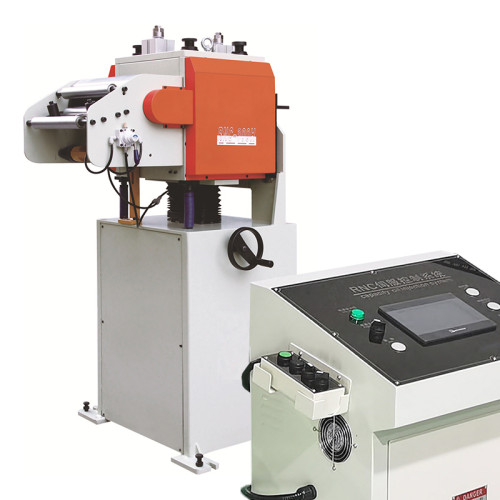
Two numbers in that table deserve emphasis. First, automation: on a modern NC servo feeder line, the motorized decoiler shares a control philosophy with the feeder - both are servo- or inverter-driven and PLC-coordinated - so loop control becomes precise and changeover becomes faster. Second, maintenance: the hydraulic decoiler is simpler but not maintenance-free; oil cleanliness, filter changes and seal condition need discipline, because a contaminated hydraulic system causes erratic expansion and braking. Neither type is universally better. The right answer depends on coil weight, material, line speed and budget, which is exactly why we recommend specifying the decoiler together with the feeder rather than buying them separately.
Which Decoiler Fits Your Application?
Start from the strip, not from habit. If you process coil thinner than about 1.5 mm, or soft materials such as aluminum, copper, brass or pre-painted strip, a motorized decoiler is the safer choice because it controls tension precisely and prevents stretching or scratching of the strip. If you run heavy coils above 3,000 kg, or high-tensile steel that needs maximum mandrel grip, the hydraulic decoiler's powerful expansion and robust braking give you the stability you need. For mid-range applications - coils of 1 to 3 mm mild steel at moderate speeds - both types work, and the decision usually falls to budget, existing utility infrastructure and the operator's familiarity with hydraulics.
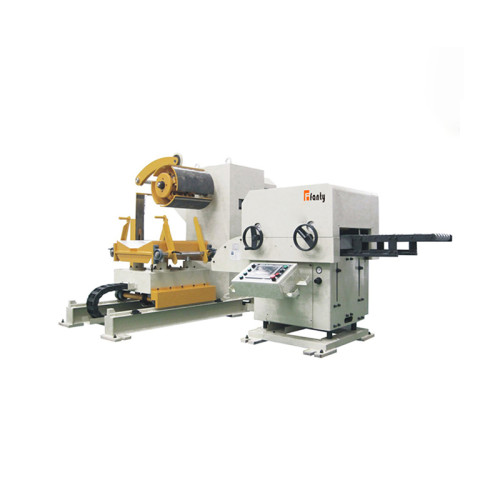
Consider the whole line, not just the decoiler. A motorized decoiler pairs naturally with an NC servo feeder, sharing electronics and enabling one-command line synchronization. A hydraulic decoiler pairs naturally with a mechanical or pneumatic feeder where downstream pull is steady. Also think about future flexibility: a line that may later run aluminum for new contracts will benefit from the motorized decoiler's tension control today. At FANTY, our engineers ask about your material range, coil weights, press speed and changeover frequency before recommending a decoiler type, because we have built and installed both designs across 200+ lines in 60+ countries.
- Thin or soft strip, high-speed stamping, frequent gauge changes - choose motorized.
- Heavy coils, high-tensile steel, simple downstream equipment - choose hydraulic.
- Always match the decoiler's coil weight rating to the heaviest coil, with 20% margin.
- Check mandrel expansion range against the coil ID tolerance of your supplier.
- Verify the loop control matches your line speed range before finalizing the order.
Installation, Safety and Maintenance Considerations
Both decoiler types deserve the same level of safety engineering. Coil handling is one of the most dangerous operations in a stamping shop, so include a coil car or loading trolley, safety guards around the mandrel, an emergency stop at the operator position and clear signage for the coil weight limit. For the motorized decoiler, verify that the electrical supply matches the inverter rating and that the loop sensor is positioned to prevent coil overrun. For the hydraulic decoiler, place the power unit where oil changes are easy, keep the oil clean and check the brake lining thickness at every preventive maintenance interval. FANTY supplies both types with CE-certified safety systems, full documentation and operator training as standard.
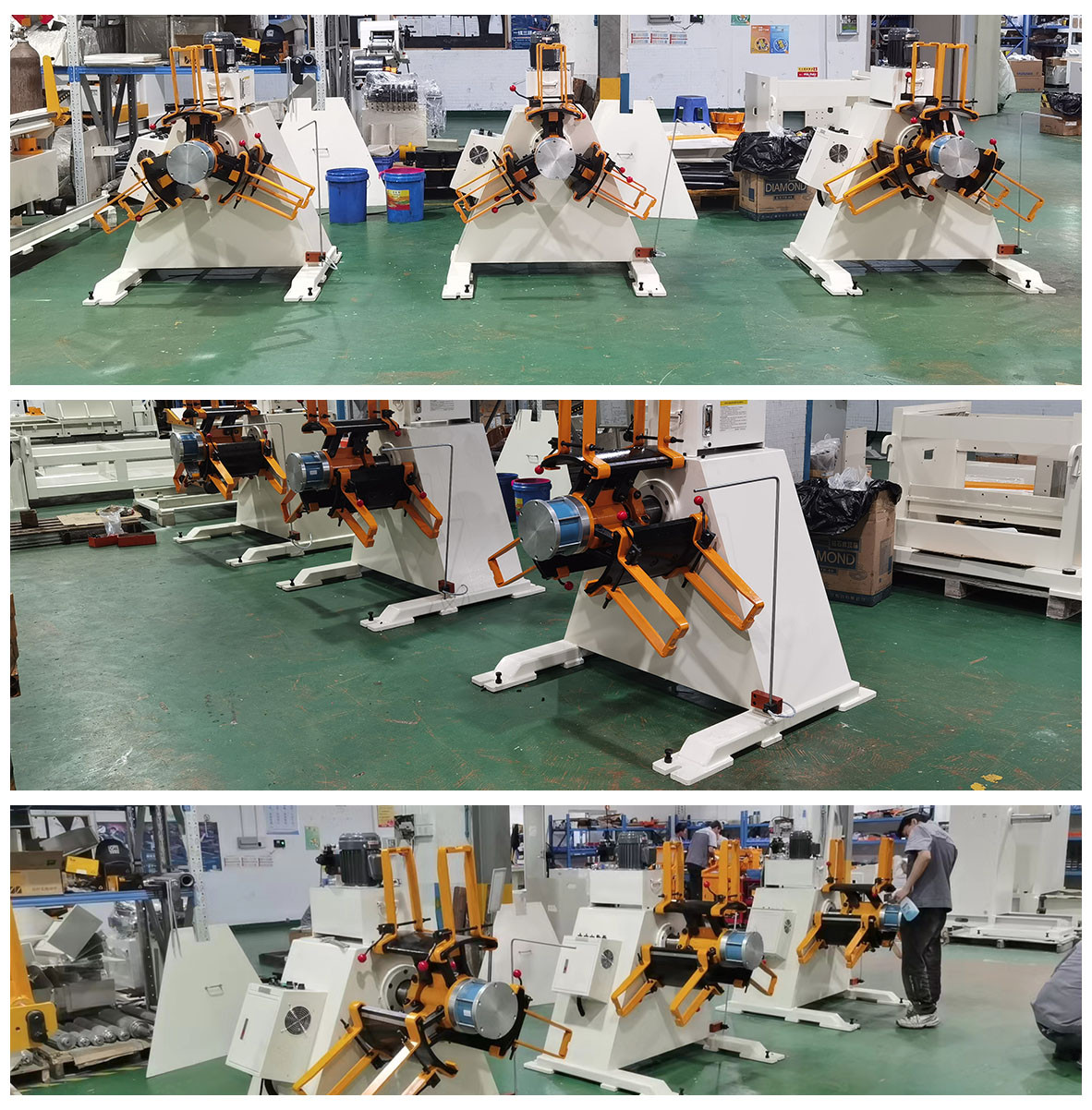
Maintenance planning is where many plants fall short. A motorized decoiler's gearbox oil should be changed annually, the brake checked quarterly and the loop sensor tested weekly. A hydraulic decoiler needs monthly filter and oil checks, quarterly seal inspections and brake adjustment as wear appears. Write these tasks into your preventive maintenance system with the same rigor as press maintenance. Also record the spindle runout at installation - a decoiler with a bent mandrel will wobble the coil, damage the strip edges and eventually damage the bearing. Keep the runout measurement in the machine file and re-measure it at each annual service.
Common Questions About Motorized and Hydraulic Decoilers
Which decoiler is better for high-speed stamping?
A motorized decoiler. Its active drive keeps strip tension steady at high SPM and synchronizes with NC servo feeders through the PLC, preventing the strip surging and loop collapse that cause feeding faults at speed.
Can a hydraulic decoiler handle thin aluminum strip?
It can, but with care. Because tension depends on downstream pull, thin aluminum can flutter or stretch. If you run mostly thin or soft strip, a motorized decoiler gives safer tension control; if you run a mix, let our engineers size a motorized unit with hydraulic expansion for the best of both.
How do I choose the decoiler coil weight rating?
Rate the decoiler for your heaviest coil plus a 20 percent safety margin, and verify the mandrel expansion range covers the coil inner diameter tolerance your supplier actually delivers. Under-rating the machine is the most common cause of premature bearing and gearbox failure.
Not Sure Which Decoiler Fits Your Line?
Tell us your coil weights, materials and press speed. FANTY's engineers - part of an 80+ R&D team with 12 years of coil processing experience - will recommend the right decoiler and complete line configuration.
Get a Free Decoiler Recommendation