How to Prevent Coil Surface Damage with a Decoiler?
Coil surface damage is one of those problems that shows up quietly and costs a fortune by the end of the month. A scratched, gouged, or pressure-marked strip becomes a rejected part, a damaged die, or a scrapped coil, and most stamping plants never trace the damage back to the real source.
This guide explains how the decoiler affects the surface quality of your strip, which design features protect the material, and which handling habits prevent damage before it starts.
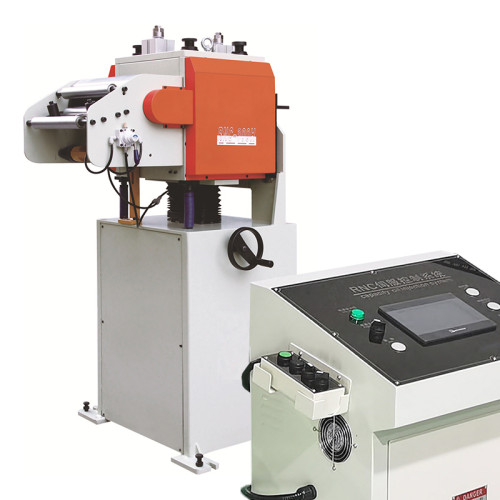
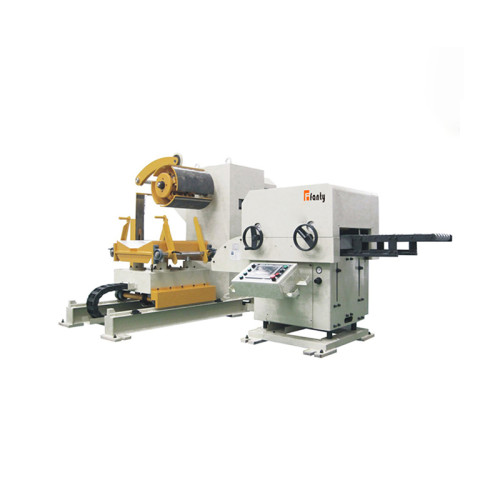
If you feed a 3-in-1 decoiler straightener feeder or any coil-fed press line, these are the details that decide whether your parts come out clean.
The good news is that most coil surface damage is preventable. It comes from identifiable causes, and each cause has a practical fix that does not require replacing your whole line.
Where Coil Surface Damage Actually Comes From
Most operators assume that a scratched coil arrived damaged from the steel mill. Sometimes that is true, but more often the damage happens right on your own line, during unwinding, straightening, or feeding.
The first culprit is the decoiler sleeve or arbor surface. When a coil is loaded, the inner diameter of the coil sits against the expanding sleeve. If the sleeve surface is rough, dirty, or worn, it can score the inner wraps of the coil as the coil is expanded and rotated.
A sleeve with a damaged surface transfers that damage to every coil you run, which makes it one of the most important components to inspect regularly.
The second culprit is strip-to-strip contact at the tail of the coil. As the coil unwinds and the remaining wraps lose tension, the strip can rub against itself or against the decoiler frame. Telescoped coils, where one edge of the coil sticks out beyond the rest, are especially prone to this type of edge damage.
The straightener rolls can also mark the strip if they are set too tight or if debris becomes embedded in the roll surface.
The third culprit is improper handling during loading and removal. Dragging a coil across the floor, dropping it onto the mandrel, or using a fork truck to force a coil into position can create dents, scratches, and edge damage that no machine can repair later. Coil handling is a discipline, and the discipline shows up directly in your surface quality.
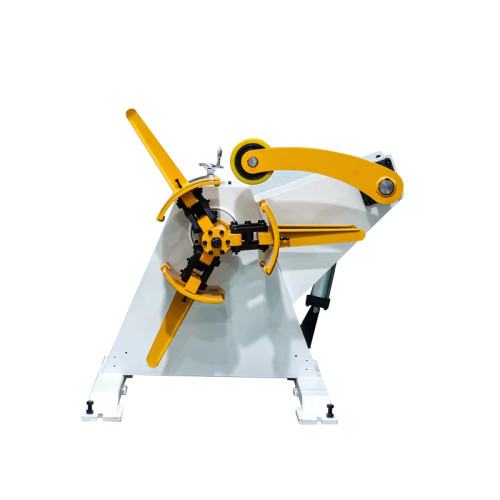
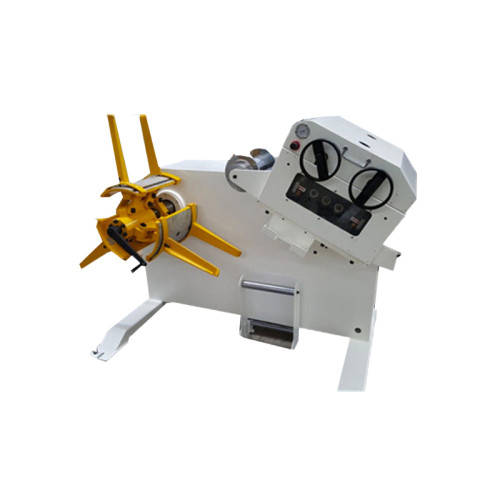
Decoiler Design Features That Protect the Strip
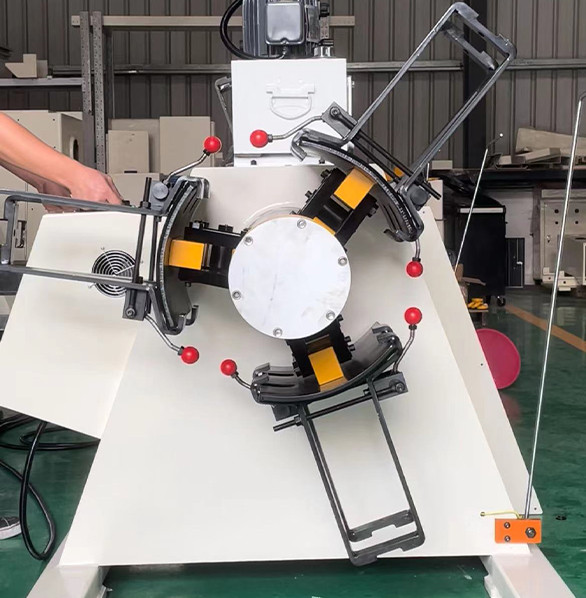
Not all decoilers protect the strip equally. When you compare machines, pay attention to the design details that determine how gently the coil is handled. These features are easy to overlook in a brochure but make a measurable difference in surface quality.
| Design Feature | How It Protects the Surface | Why It Matters |
|---|---|---|
| Smooth hardened sleeve surface | Prevents scoring of inner wraps | A rough sleeve marks every coil it holds |
| Hydraulic expansion system | Centers the coil without impact | Reduces vibration and strip-to-frame contact |
| Rubber or nylon peel plate | Guides the strip off the coil smoothly | Prevents the strip from digging into the coil |
| Adjustable side guides | Keeps the strip aligned to the center | Stops telescoping and edge rubbing |
| Brake or tension control | Maintains back tension during unwinding | Prevents loose wraps that rub together |
| Vibration-damped frame | Reduces chatter during high-speed run | Stops micro-scratches from strip oscillation |
Take the peel plate as an example. When a coil unwinds, the strip leaves the coil at a sharp angle, and without a smooth guide surface, the strip edge can dig into the wraps still on the coil.
A proper peel plate with a rubber or nylon surface lets the strip lift off cleanly, which is one of the simplest and most effective ways to protect surface quality. If your existing decoiler lacks a good peel plate, adding one is a low-cost upgrade with immediate results.
Tension control deserves equal attention. During deceleration and at the tail of the coil, tension can drop and the wraps loosen. Loose wraps rub against each other and against the frame, creating scratches that appear as random marks along the strip.
A decoiler with adjustable braking or tension control keeps the strip tight through the whole unwinding cycle, and that consistent tension is what keeps the surface clean.
Handling Habits That Prevent Damage
Equipment design matters, but daily habits matter just as much. The most carefully engineered decoiler will not protect your strip if the crew loads coils carelessly. Build these habits into your standard operating procedure and the results will show up in your scrap report.
- Inspect every coil for edge damage before loading
- Clean the sleeve and peel plate before each coil change
- Center the coil carefully before expanding the sleeve
- Use coil edge protectors during storage and transport
- Set side guides to the exact strip width, not loosely
- Keep the strip path free of debris and burrs
One habit that pays off immediately is assigning a fixed person to coil inspection.
How FANTY Decoilers Protect Your Coil Surface
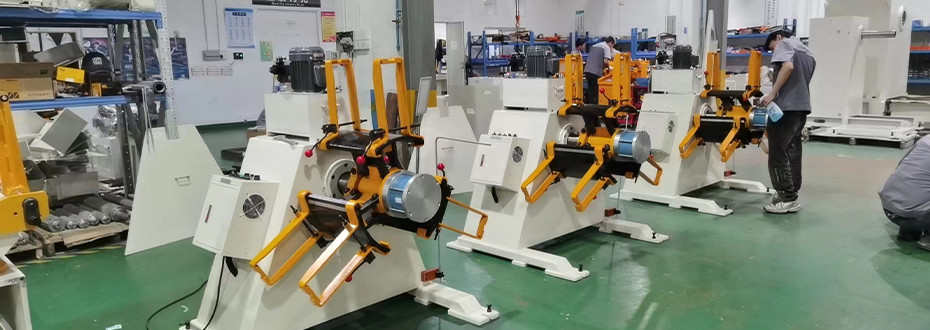
FANTY Machinery has spent twelve years building coil processing equipment for stamping plants in more than 60 countries, and surface protection is engineered into every decoiler we ship.
Our factory covers 45,000 square meters and employs 370 people, including more than 80 R&D engineers who focus on exactly these details: how the strip touches the machine, where wear develops, and how to eliminate the contact points that cause surface defects.
Every machine is CE certified, and more than 200 FANTY production lines are running worldwide, which gives our engineers real field data to improve each generation.
If you are experiencing surface marks, scratches, or edge damage on your line, we recommend starting with a simple audit: inspect the sleeve, the peel plate, the side guides, and the strip path from coil to die. In most cases the fix is straightforward, and FANTY engineers can help you identify it.
If the problem is in the decoiler itself, upgrading to a machine with the protective features described above will usually eliminate it for good.
Frequently Asked Questions
Why do I see scratches on my coil that I did not see when it arrived?
Damage often develops during unwinding. A rough sleeve, missing peel plate, loose tension, or debris on the strip path can all create scratches that were not present on the delivered coil. Inspect the decoiler contact points first.
Can a worn decoiler sleeve damage every coil I load?
Yes. A scored or rough sleeve transfers its damage to the inner wraps of every coil it holds. If you see repeating marks at regular intervals along the strip, inspect the sleeve surface immediately and replace or regrind it.
What is the single cheapest fix for coil surface damage?
Adding or replacing the rubber peel plate on the decoiler, and cleaning the strip path before every coil change. Both are low-cost, take minutes, and eliminate the most common source of surface scratches.
Does a 3-in-1 decoiler straightener feeder protect surfaces better than separate machines?
Integrated systems are designed as one unit, so the strip path is engineered as a whole, with matched guides, rolls, and tension control. That integration generally means fewer contact points and more consistent handling than a mix of separate machines.
Related reading
- what causes coil telescoping
- how much coil weight a decoiler handles
- how to specify a decoiler for a coil line
Part of the the coil line guide library — the full library of coil handling, straightening and feeding guides from FANTY.
Stop Coil Surface Damage at the Source
Send us a photo of your scratch pattern and your coil details. FANTY engineers will help you pinpoint the cause and recommend the right decoiler or upgrade.
Get Expert Surface Protection Advice