How to Maintain NC Straightener Feeder Straightening Rolls?
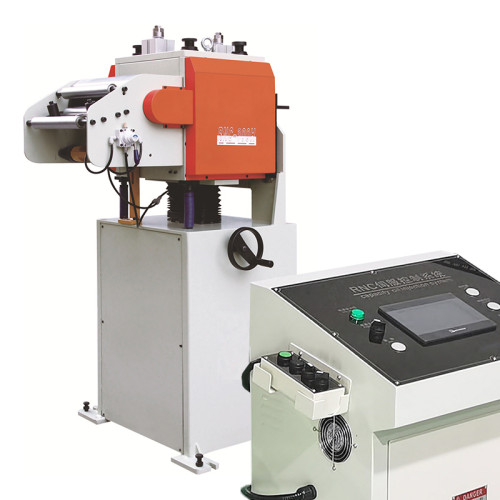
Straightening rolls are the heart of an NC Straightener Feeder. They are the components that remove coil set, flatten the strip and deliver perfectly level material to the die, and they are also the components that wear, scratch and accumulate oil if they are neglected.
In this guide, a senior stamping engineer explains how straightening rolls wear, what a proper daily, weekly and monthly maintenance schedule looks like, and how to recognize the warning signs that a roll needs attention before it starts producing bad parts.
Well-maintained rolls are the cheapest insurance policy on your stamping line, and the routine below takes less than thirty minutes per day. For the machine-specific lubrication points, refer to our NC Straightener Feeder product documentation or contact our service team.
Why Straightening Roll Condition Drives Part Quality
The straightening section of an NC Straightener Feeder bends the strip back and forth over a series of offset rolls, working the material beyond its yield point so the coil set and residual stress are removed. The number of rolls, their diameter and the penetration depth all determine how flat the strip comes out.
If the rolls are in perfect condition, the strip leaves the straightener with a consistent, controlled flatness and the feeder delivers it to the die with stable tension.
If the rolls are worn, scratched or contaminated, every one of those properties degrades: flatness becomes uneven, the strip surface picks up marks, and the feed behavior becomes erratic.
This is why roll maintenance is not a cleanliness nicety; it is a quality control activity. A scratch on a roll surface is transferred to every meter of strip that passes over it, which means every part produced from that strip carries the defect.
A roll that has lost its surface hardness feeds strip with a different friction profile, which changes the way the material moves through the machine and can introduce feed pitch variation.
In short, the straightening rolls are where mechanical condition becomes product quality, and that is exactly why they deserve daily attention.
The Maintenance Schedule That Keeps Rolls Like New
A practical schedule splits roll care into three horizons: daily cleaning, weekly inspection, and monthly deep maintenance. The table below summarizes what to do at each interval and what to look for.
| Interval | Action | What to Check |
|---|---|---|
| Daily | Wipe roll surfaces clean of oil, dust and metal fines | Visible scratches, oil film, embedded particles |
| Weekly | Inspect all rolls under good light with the guard open | Scratches, pitting, dull bands, uneven wear patterns |
| Monthly | Deep clean rolls, check bearings, verify roll parallelism | Bearing play, roll straightness, end float, lubrication levels |
| Quarterly | Measure roll surface hardness and diameter across the width | Hardness loss, diameter taper, wear beyond tolerance |
| Per coil change | Remove strip fragments and re-check the first meter of feed | Residue from splice tape, burrs from coil ends |
Most shops can complete the daily wipe-down in five minutes while the press is running a different job or during the morning warm-up. The key is making it a habit rather than a reaction: once rolls are allowed to run dirty for weeks, the embedded fines act like grinding paste, and the roll surface wears faster in one shift than it would in a year of clean operation.
Cleaning and Care Techniques That Work
Use the right cleaning technique and you extend roll life dramatically. The following practices are what our service engineers teach on every installation:
- Use a soft lint-free cloth with a mild solvent. Wipe along the roll axis, not around it, so you push debris off the surface instead of grinding it into the finish.
- Never use metal scrapers or abrasive pads. The roll surface is ground and hard-chromed to a specific finish; aggressive cleaning removes the finish and shortens roll life.
- Lubricate bearings per the manual. Over-greasing attracts dust and can force grease onto the roll surface; use the specified grade and quantity.
- Check the strip scrapers daily. Worn scrapers let fines travel with the strip and embed in the rolls; replace them at the first sign of wear.
- Rotate roll usage if the machine allows. On machines with adjustable roll banks, occasionally redistributing the work evens out localized wear.
- Document the condition weekly. A simple photo log of the roll surfaces lets you spot slow wear trends before they become defects.
Warning Signs That Rolls Need Attention
Roll problems almost never appear without warning. Train your operators to recognize these six signs, and you will catch roll issues long before they make bad parts:
Visible lines on the strip. A continuous scratch or bright line running along the strip length means a corresponding defect on a roll surface. Stop, find the roll, and assess whether it needs polishing or replacement.
Strip surface dullness or marking. If the strip comes out with a matte band or repetitive pattern, a roll has lost its finish or picked up embedded debris. Uneven strip flatness. When the strip exits wavy on one side only, one or more rolls on that side are worn or misaligned.
Feed pitch variation. A contaminated or worn roll changes the strip's friction and can cause the feeder to slip, producing pitch errors that look like feeder problems but are really roll problems. Unusual noise or vibration. Bearing wear or a bent roll produces a rhythmic knock that gets louder with speed.
Visible roll discoloration. Blue or brown bands indicate overheating from excessive pressure or loss of lubrication, both of which require immediate action.
When any of these signs appear, do not simply increase roll pressure to compensate. Higher pressure on a damaged roll accelerates the damage and can overload the machine.
Instead, stop the line, inspect the roll bank, and apply the appropriate fix: clean the roll, polish a light scratch with the correct compound, or replace the roll if the surface is beyond recovery.
FANTY stocks replacement straightening rolls for all current models, and our service engineers can guide a re-grind program for rolls that are still within their service diameter.
How Long Do Straightening Rolls Last?
Roll life depends on material, speed and care, but a well-maintained set of hardened straightening rolls on an NC Straightener Feeder typically runs 3 to 5 years on common steel stamping before re-grinding is needed, and can be re-ground several times before replacement.
FANTY has built NC Straightener Feeder machines and complete coil feeding lines for 12 years, in a 45,000 square meter factory with 370 employees and more than 80 engineers in R&D. Our machines are CE certified and operate in more than 60 countries, with over 200 production lines running worldwide.
Every straightening roll is manufactured and surface-treated in-house to a controlled specification, which means replacement rolls are exactly matched to the original. If you would like a roll condition assessment or a spare-roll recommendation for your machine, our service team is ready to help.
Frequently Asked Questions
How often should I clean the straightening rolls on my NC Straightener Feeder?
Clean the roll surfaces at least once per shift, and more often if you run oily or dusty material. The daily wipe-down takes about five minutes and prevents embedded fines from turning the rolls into grinding tools. Weekly inspection catches the slow damage that daily cleaning cannot prevent.
Can I re-grind straightening rolls instead of buying new ones?
Yes, within limits. Rolls can be re-ground several times as long as the remaining diameter and case hardness are still within the manufacturer's service limits. Each re-grind removes a small amount of diameter, so track the measurements; FANTY can advise whether re-grinding or replacement is more economical for your rolls.
What causes premature straightening roll wear?
Three causes dominate: running the rolls dirty with embedded metal fines, excessive roll pressure used to compensate for other problems, and contaminated or insufficient bearing lubrication. All three are preventable with the daily and weekly routine described in this guide.
How do I know the roll pressure setting is correct?
Use the material thickness and width chart provided with the machine as the starting point, then verify with a flatness check on the exiting strip. The correct setting produces a flat strip with no visible roll marks and no excessive heating of the rolls. If you are unsure, a FANTY service engineer can calibrate the settings on site.
Related reading
- how back tension affects straightening
- why pass line height matters
- how to hit a flatness spec on a coil line
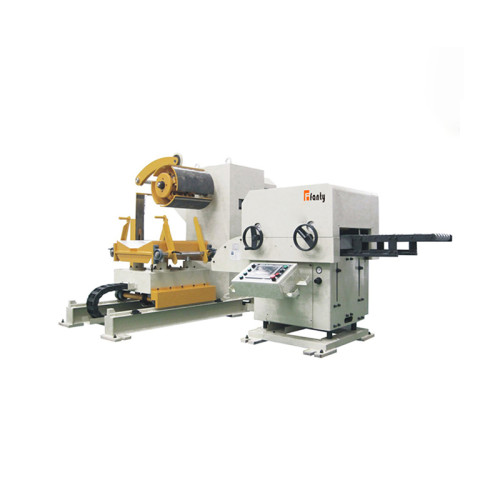
Part of the 3-in-1 decoiler straightener feeder — the full library of coil handling, straightening and feeding guides from FANTY.
Keep Your Straightening Rolls in Perfect Condition
Get a roll condition assessment and a maintenance checklist customized for your NC Straightener Feeder model.
Contact Our Service Team