How to Evaluate Used Coil Feeding Equipment Before Purchase?
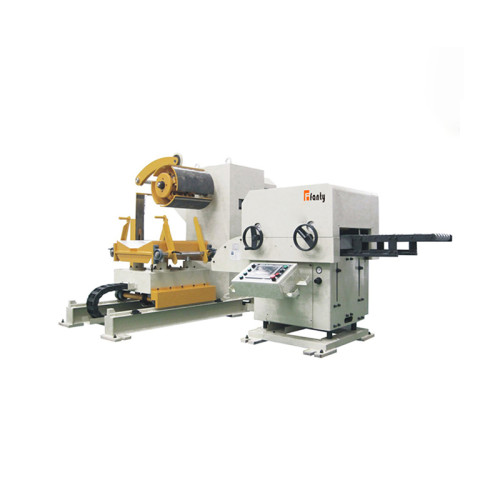
Buying used coil feeding equipment can cut your capital investment by 30 to 60 percent compared with new machinery, but only when you know exactly what to inspect before you commit. A decoiler, straightener, feeder or a complete coil processing line that looks impressive in photos can hide worn bearings, fatigued straightening rollers, damaged hydraulic seals and outdated control systems that cost more to restore than a new machine would. This guide condenses the evaluation checklist used by professional stamping engineers into a practical, step-by-step framework. By the end, you will know which used machines are worth bidding on, which ones to walk away from, and how to protect yourself with the right documentation, inspection procedure and after-sales agreement.

Why Buyers Choose Used Coil Feeding Equipment
Metal stamping shops turn to the second-hand market for three very practical reasons. The first is budget: a well-maintained used NC servo feeder or motorized decoiler typically sells at a fraction of its original price, freeing cash for tooling, automation upgrades or a second press. The second reason is lead time. New equipment built to order can take eight to sixteen weeks to manufacture and ship, while a used machine already in stock can be commissioned in days. The third reason is flexibility. Many fabricators need a temporary or low-volume line for a specific contract, and used equipment allows them to test a market without a long-term capital commitment.
However, the second-hand market also concentrates risk. Coil feeding equipment operates under continuous load, and its core components - straightening rollers, feeding rollers, servo drives, hydraulic cylinders and gearboxes - wear progressively. A machine may still run today yet fail within weeks if the critical parts have reached the end of their service life. That is why the evaluation process matters more than the price tag. In our 12 years of manufacturing at FANTY, we have seen both sides: buyers who saved sixty percent on a machine and ran it profitably for a decade, and buyers who inherited a repair bill that exceeded the purchase price. The difference was almost always the quality of the pre-purchase inspection.
Information to Collect Before You Inspect
Do not walk onto the seller's floor without a data sheet in hand. The most important documents are the machine's specification sheet, its maintenance log and its production history. Ask for the original purchase invoice, the total number of working hours, the maximum press speed at which it was run, the coil widths and thicknesses it processed, and the material grades. Hard, plain-carbon steel wears rollers differently from stainless steel, and a line that was chronically overloaded will show it. If the seller cannot provide a specification sheet or maintenance records, treat that as a warning sign and demand a reason.
Before traveling, verify that the used unit matches your production parameters: coil width, coil weight, strip thickness, feeding pitch, accuracy requirement and press speed. A used decoiler rated for 1,500 kg coils cannot simply be upgraded to handle 5,000 kg coils; the frame, expansion arms and gearbox are all sized for the original rating. Equally important, request a live test run during the inspection. A machine under power, feeding strip at operating speed, reveals far more than any photograph. Confirm that the seller will allow a qualified engineer to take measurements during that test.
- Obtain the original specification sheet, maintenance log and purchase invoice before the visit.
- Record total working hours, processed materials and historical press speeds for every shift.
- Match coil width, coil weight, thickness range and feeding pitch against your own requirements.
- Arrange a live test run at operating speed and bring your own measurement instruments.
- Ask which components were replaced recently and keep the replacement records as evidence.
- Confirm in writing that a full-load trial run is part of the deal before you negotiate price.
Key Components to Inspect on a Used Line
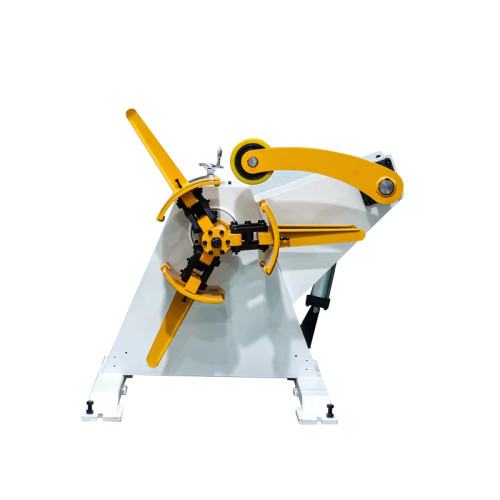
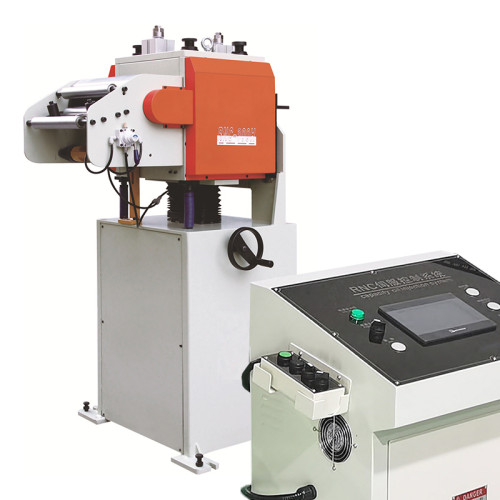
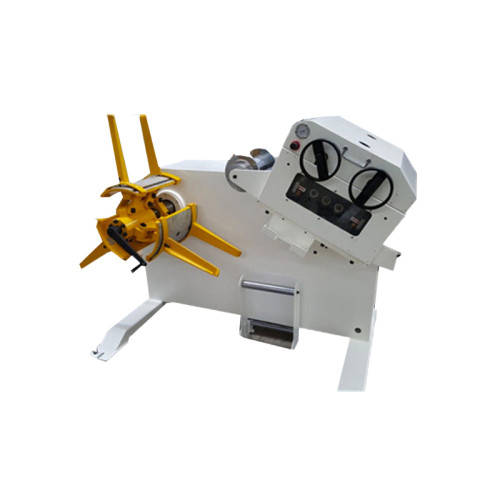
Every type of coil feeding equipment has its own wear points. On a decoiler, the expansion arms, the bearing assembly under the mandrel and the hydraulic system carry the entire coil weight, so their condition determines the machine's remaining life. On a straightener, the straightening rollers and their bearings do the work, and roller surface condition directly controls strip flatness. On an NC servo feeder, the servo motor, the encoder, the feed rollers, the pneumatic clamping and the control cabinet electronics are the critical items. The table below summarizes what to check on each station and the red flags that should make you reconsider.
| Station | Critical Items to Check | Red Flags |
|---|---|---|
| Decoiler | Mandrel expansion, end bearing, hydraulic pump, brake, coil support arms | Oil leaks, loose mandrel play, noisy bearing, non-concentric rotation |
| Straightener | Roller surfaces, roller bearings, gearbox backlash, frame alignment | Scoring or pitting on rollers, excessive backlash, cracked frame welds |
| NC servo feeder | Servo motor, encoder, feed rollers, pneumatic clamp, PLC and driver | Feeding pitch error, alarm history, burned driver boards, roller wear marks |
| Hydraulics | Cylinder seals, valves, hoses, oil condition and filter state | Dark or metallic oil, weeping seals, cracked hoses, sluggish movement |
| Electrics | Control cabinet, cables, connectors, safety interlocks and guards | Rust in cabinet, taped wiring, disabled guards, missing emergency stop |
| Frame and base | Welds, mounting bolt holes, paint condition, leveling feet | Repainted areas hiding cracks, bent base, rust perforation |
Pay special attention to the straightening and feeding rollers because they are the precision heart of the line. A used NC servo straightener with pitted or scored rollers cannot deliver flat strip or accurate feeding, and replacing an entire roller set plus bearings can cost thousands of dollars and weeks of downtime. Run a fingernail or a fine stone across the roller surface; if you feel any roughness or see continuous grooves, factor a full roller rebuild into your offer. For the control system, check the servo driver and PLC firmware versions and ask whether the seller still holds the original programming backup. Losing the parameter backup on a used NC feeder is one of the most common - and most expensive - surprises in the second-hand market.
How to Verify Accuracy and Wear On Site
Numbers beat impressions. Bring a dial indicator, a steel rule and, if possible, a laser tachometer to the inspection. Measure the runout of the mandrel and of each roller by rotating the shaft slowly and reading the indicator; a radial runout below 0.01 mm is excellent, up to 0.03 mm is acceptable for general work, and anything beyond 0.05 mm signals advanced wear. Then run a test coil through the machine and measure the feeding pitch over fifty consecutive strokes with a calibrated rule. The average pitch error and, more importantly, the consistency of the error will tell you whether the servo system and rollers are still in healthy condition.
Wear also hides in places that are easy to overlook. Open the gearbox inspection cover and check the oil for metallic particles; a small amount of fine dust is normal, but glittering flakes indicate gear wear. Listen to the machine under load: knocking sounds from the gearbox, screeching from the feed roller clutch or vibration from the straightening unit all point to specific failures. Check the hydraulic oil level and smell it - burnt oil means the pump is overheating. Finally, inspect the electrical cabinet with the power off: dust is normal, but corrosion, melted terminals or a strong burnt smell are immediate deal-breakers unless the control system is fully replaced as part of the price.
Verify the Seller and Secure After-Sales Support
A used machine is only as reliable as the people selling it. Check whether the seller is the original manufacturer, a professional used-equipment dealer or an end user clearing out surplus. Each type has different incentives: manufacturers can provide genuine spare parts and service records, dealers usually offer some warranty, and end users often accept the lowest prices but provide the least support. Ask for references from previous buyers of comparable machines and contact at least one of them. If the machine is still in production, ask to see it running and talk to the operator directly - operators know the machine's habits, quirks and recurring faults better than anyone.
Whatever the source, put the following into the purchase contract: a full-load trial run with your coil material before final payment, a spare parts list with current prices, the availability of the control system backup, a defined warranty period on the serviced components, and the seller's commitment to provide electrical and hydraulic schematics. If the seller hesitates on any of these points, reduce your offer accordingly or walk away. FANTY, with a 45,000 m² factory, 370 staff and 80+ R&D engineers, offers both new and remanufactured coil feeding equipment with full documentation and genuine spare parts support - an alternative worth comparing against any used machine you are evaluating.
Common Questions About Buying Used Coil Feeding Equipment
Is a used NC servo feeder accurate enough for precision stamping?
Yes, if the servo motor, encoder and feed rollers are healthy and the control parameters are correct. Measure the feeding pitch over 50 strokes during the trial run. A well-maintained servo feeder should hold feed accuracy within ±0.05 mm. If the error grows over consecutive strokes, the encoder coupling or feed roller bearings are worn and a rebuild is required.
How many years can a used decoiler realistically last?
A properly maintained motorized decoiler can run 15 years or more. The deciding factors are the condition of the main bearing, the hydraulic system and the frame. Budget for a bearing and seal replacement every 5 to 8 years of heavy service. If the frame shows cracks or has been repaired with weld on load-bearing members, reject the machine.
What is a fair price for used coil feeding equipment?
As a rough rule, used equipment sells at 40 to 70 percent of the price of an equivalent new machine, depending on age, condition, working hours and included spares. Build your offer from the cost of bringing the machine to new condition: purchase price plus any roller rebuild, hydraulic service, control system backup and installation. If that sum approaches the price of new equipment, choose new.
Need a Line You Can Trust, New or Remanufactured?
With 12 years of manufacturing experience, CE certification and 200+ lines installed across 60+ countries, FANTY delivers coil feeding equipment that performs from day one. Talk to our engineers about new, remanufactured and trade-in options.
Get a Free Line Evaluation