How to Adjust a Decoiler for Different Coil Inner Diameters?
One of the most common questions we receive from press shop managers is how to switch a coil line between coils with different inner diameters.
Whether you are moving from a 508mm ID coil to a 610mm ID coil, or adapting a line to handle both European and Asian coil standards, the way you adjust the decoiler mandrel determines whether loading is fast and safe or slow and dangerous.
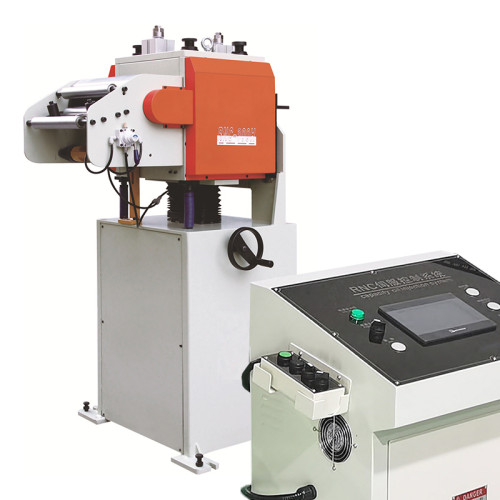
This guide explains the three expansion systems used on modern decoilers, how to adjust each one correctly, and how a motorized decoiler with powered expansion integrates smoothly with an NC Straightener Feeder line.
If you are selecting a machine, our decoiler and NC Straightener Feeder pages include the mandrel expansion ranges you need for planning.
Why Coil Inner Diameter Matters So Much
The inner diameter of a coil defines the size of the hole in the center of the coil, and the decoiler mandrel must expand inside that hole to grip the coil securely.
If the mandrel is expanded too little, the coil slips and spins on the mandrel during uncoiling, causing surface scratches, telescoping and erratic strip tension.
If it is expanded too aggressively, the operator can damage the inner wraps of the coil, making the first meters of strip unusable and creating a safety hazard when the coil is removed. Getting the expansion diameter exactly right is therefore the foundation of consistent uncoiling.
Coil IDs are standardized in different regions, but even within one plant you will often find several: 508mm (20 inches) is the most common in Asia and much of Europe, 610mm (24 inches) is widely used for heavier coils, and 460mm, 508mm and 610mm all appear in automotive supply chains.
Some thin-gauge lines also run 300mm to 400mm ID coils for narrow strips. A production line that only runs one ID is simpler, but any shop that buys coils from multiple steel suppliers must be able to change the mandrel setting quickly and correctly.
Three Expansion Systems Explained
Decoilers use three main ways to expand the mandrel, and the right choice depends on how often you change coil IDs and how heavy your coils are.
Manual Expansion
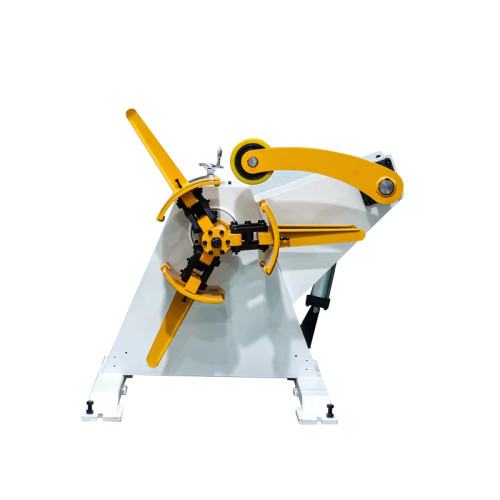
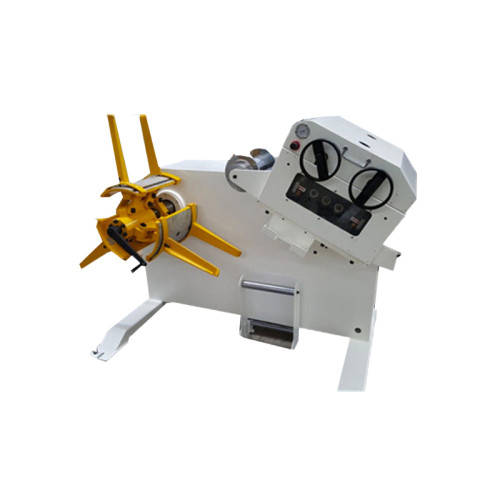
On smaller and lighter decoilers, the operator turns a crank or wrench to move the mandrel segments outward until they contact the coil ID. Manual expansion is simple, inexpensive and perfectly adequate for a line that runs one or two coil sizes.
Its weakness is speed and consistency: expansion force depends on the operator, and a tired operator may leave the mandrel slightly loose, inviting slip and telescoping.
Hydraulic Expansion
Hydraulic expansion uses a hydraulic cylinder inside the mandrel to push the segments outward with a controlled, repeatable force. It handles heavy coils up to 10 tons or more and gives the operator a clear pressure reading, so every coil is gripped with the same force regardless of who loads it.
Hydraulic systems are the standard choice for heavy-duty and high-volume lines, and they can be paired with a foot pedal or button so the operator keeps both hands free during loading.
Motorized Expansion
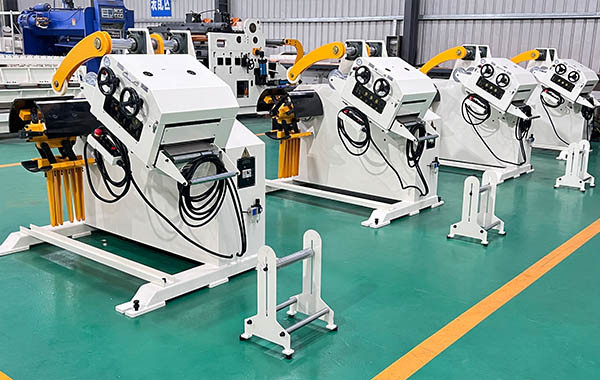
A motorized decoiler expands and contracts the mandrel with an electric motor, often at the touch of a button on the control panel. This is the most convenient system for lines that change coil IDs frequently, because the operator never leaves the control position and the expansion is always even.
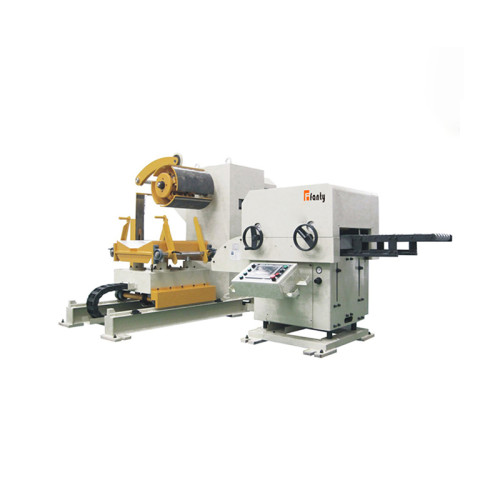
Motorized expansion is a signature feature of modern 3-in-1 decoiler straightener feeder machines and premium motorized decoilers, where it is integrated into the same touchscreen that controls straightening and feeding.
Expansion Range by Machine Class
When you plan a line, always check the decoiler's expansion range against the coil IDs you actually buy. The table below shows typical mandrel expansion ranges by machine class. Note that the machine must also support the coil weight and width; the expansion range alone is not enough to select a decoiler.
| Machine Class | Typical Expansion Range | Coil Weight Capacity | Expansion Method |
|---|---|---|---|
| Light motorized decoiler | 300–508mm | Up to 3 tons | Manual or motorized |
| Medium motorized decoiler | 450–530mm | 3–8 tons | Manual or motorized |
| Heavy-duty hydraulic decoiler | 508–610mm | 8–20 tons | Hydraulic |
| 3-in-1 decoiler straightener feeder | 450–530mm standard | 3–10 tons | Motorized |
| Multi-range specialty decoiler | 300–610mm with sleeves | Up to 15 tons | Hydraulic + adapter sleeves |
If your coil ID falls outside the machine's natural range, adapter sleeves are the practical solution. A sleeve reduces the effective mandrel diameter, letting one decoiler handle smaller coils without losing grip quality. Always confirm with the manufacturer that the sleeve is matched to your coil ID and does not reduce the coil weight capacity of the line.
Step-by-Step Adjustment Procedure
Whether your decoiler is manual, hydraulic or motorized, the adjustment procedure follows the same safe sequence. Following this routine protects the operator and the coil:
- Confirm the new coil ID and weight. Read the coil ticket or measure the ID with a caliper before the coil arrives at the machine; never estimate.
- Retract the mandrel fully. Contract the segments so the coil slides on freely without scraping the inner wraps.
- Position the coil on the mandrel. Use the coil car or crane to center the coil, keeping the coil against the back plate where provided.
- Expand to the correct diameter. For manual units, expand until the segments touch the ID firmly, then add a slight preload. For hydraulic units, set the pressure per the machine chart. For motorized units, press the expansion button and watch the diameter readout.
- Verify with a test spin. Rotate the mandrel slowly for one revolution and confirm the coil turns with it, with no slip and no binding.
- Record the setting. Write the coil ID and expansion setting on the job sheet so the next shift starts from a known baseline.
Common Adjustment Mistakes and How to Avoid Them
Three mistakes cause most of the coil damage and downtime we see on decoiler lines. The first is over-expansion: operators expand the mandrel until the coil is visibly strained, which cracks the inner wraps and creates loose strip at the start of every coil. The correct setting grips the coil firmly without visible deformation of the inner surface. The second mistake is skipping the test spin, so a loose coil only reveals itself once the line is running at speed, by which point the coil is already scratched and the strip tension is erratic. The third is mixing coil IDs without adjusting the machine, which happens in busy shops where the operator assumes the previous shift already changed the setting. A simple rule avoids all three: measure, adjust, verify, record. On a FANTY motorized decoiler or 3-in-1 decoiler straightener feeder, the diameter readout and one-button expansion make this routine fast enough that operators actually follow it.
FANTY has built decoilers and complete coil feeding lines for 12 years, in a 45,000 square meter factory with 370 employees and more than 80 engineers in R&D. Our decoilers are CE certified and operate in more than 60 countries, with over 200 production lines running worldwide.
When you specify a new line, our engineers will confirm the expansion range, coil weight and adapter sleeve requirements from your actual coil list, so the machine arrives ready for every coil you buy.
Frequently Asked Questions
Can one decoiler handle both 508mm and 610mm coils?
Usually yes. Many motorized and hydraulic decoilers have an expansion range of 450–530mm or 508–610mm, which covers both standards. Check the machine's expansion range on the specification sheet; if your coil IDs are 460mm and 610mm, you may need a wider-range model or an adapter sleeve.
Is motorized expansion worth the extra cost?
If you change coil sizes more than once per shift, yes. Motorized expansion turns a 10-minute manual job into a 30-second button press, reduces operator fatigue, and removes the human error that causes loose or over-tight coils. On a 3-in-1 decoiler straightener feeder, it is integrated into the main control screen.
What happens if I run a coil with the wrong expansion setting?
Under-expansion causes the coil to slip and telescope on the mandrel, scratching the strip and destabilizing feed tension. Over-expansion crushes the inner wraps, wasting the first meters of strip and creating a hazard when the coil is removed. Either way, you lose material and time, which is why the verify step matters.
How do I handle coils with non-standard inner diameters?
Use an adapter sleeve matched to the coil ID, or specify a multi-range decoiler at the time of purchase. Never run a coil smaller than the minimum expansion of the mandrel; the segments will not grip evenly and the coil can spin on the shaft. Contact the manufacturer with your full coil list for the right solution.
Related reading
- how much coil weight a decoiler handles
- how much floor space a coil line needs
- how to specify a decoiler for a coil line
Part of the the coil line guide library — the full library of coil handling, straightening and feeding guides from FANTY.
Need Help Matching a Decoiler to Your Coil Sizes?
Send us your coil ID list, widths, thicknesses and weights, and our engineers will specify the right expansion system for your line.
Get a Decoiler Recommendation