How Does an NC Straightener Feeder Prevent Coil Breaks?
How does an NC straightener feeder prevent coil breaks is a question that becomes urgent the moment a coil snaps in the middle of a production run. A coil break, also called a strip break or a snarl, stops the line instantly, damages the die, and can injure operators when the loose strip whips around.
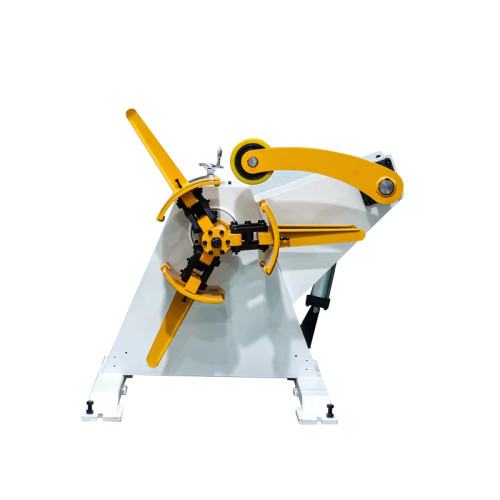
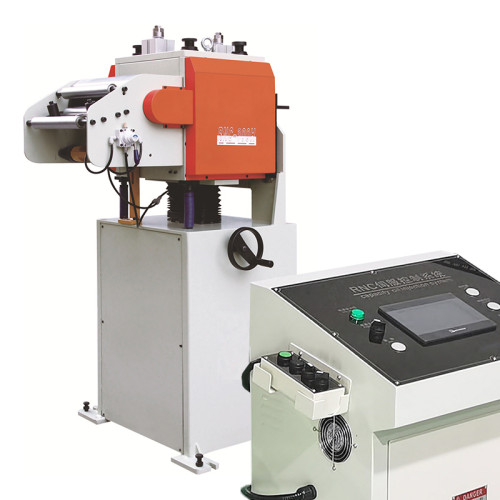
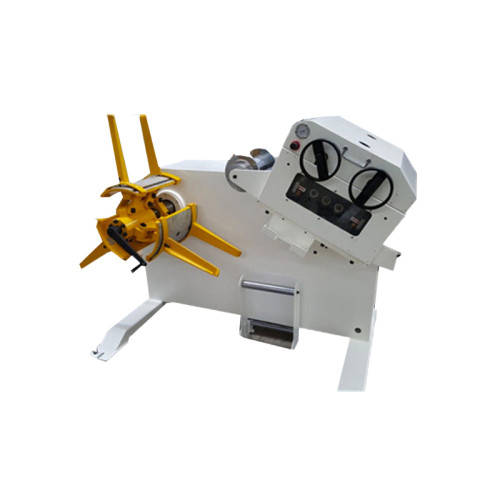
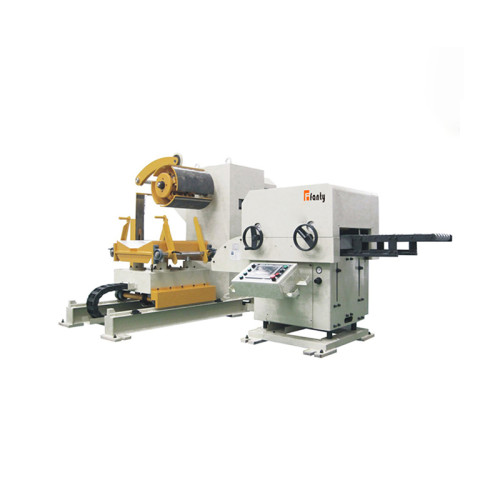
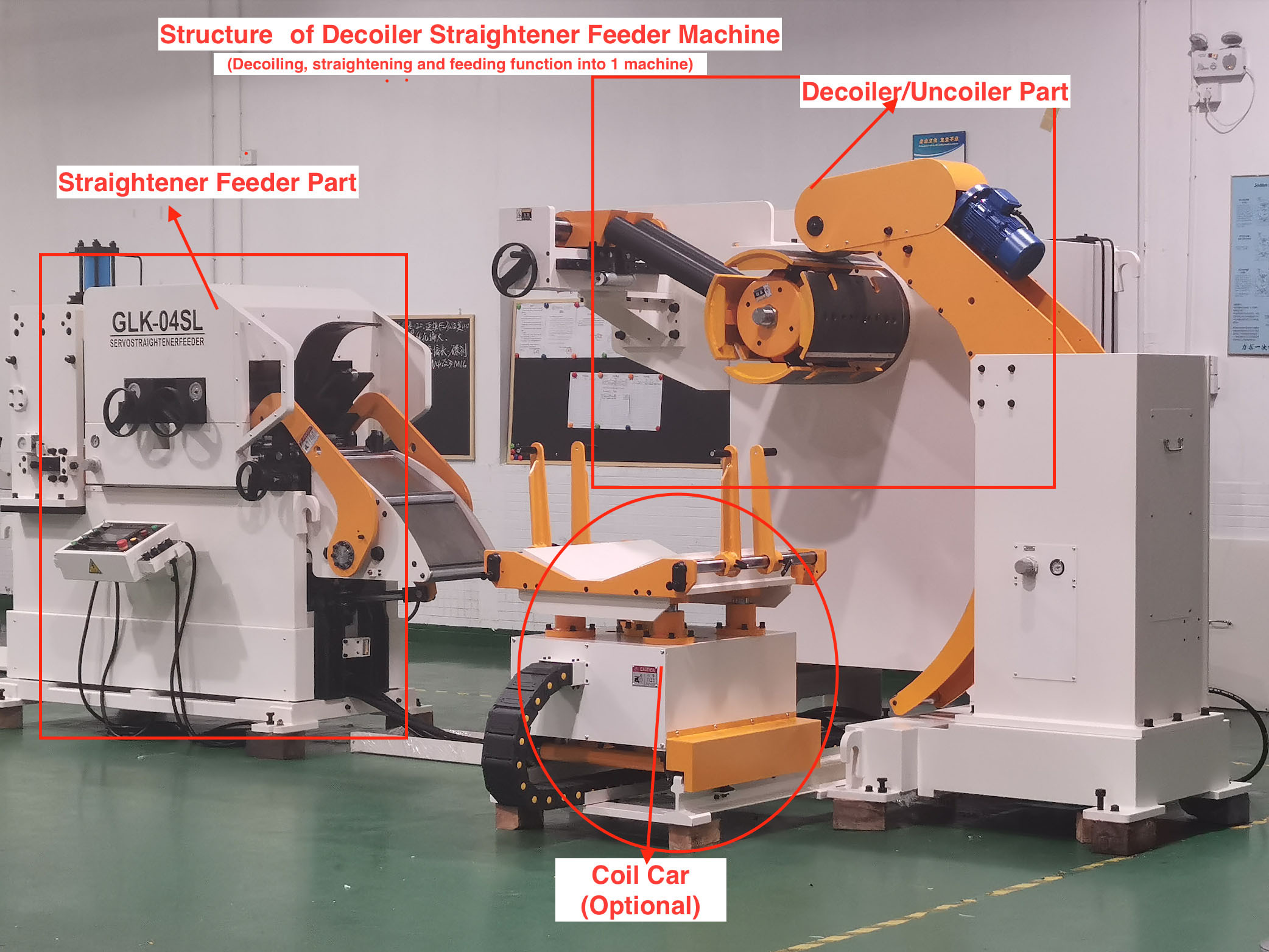
While some coil breaks come from material defects, many are caused by the way the strip is handled between the coil and the press. An NC straightener feeder, working inside a 3-in-1 decoiler straightener feeder, reduces the stress and tension that cause strip breaks.
This guide explains the mechanics of coil breaks and how proper straightening and feeding prevent them.
Why Coil Breaks Happen in Stamping Lines
Coil breaks happen when the stress in the strip exceeds the material's ability to withstand it. The most common causes are excessive tension, sharp bending over small radii, residual stress from the coil itself, and defects such as edge cracks or hard spots in the material.
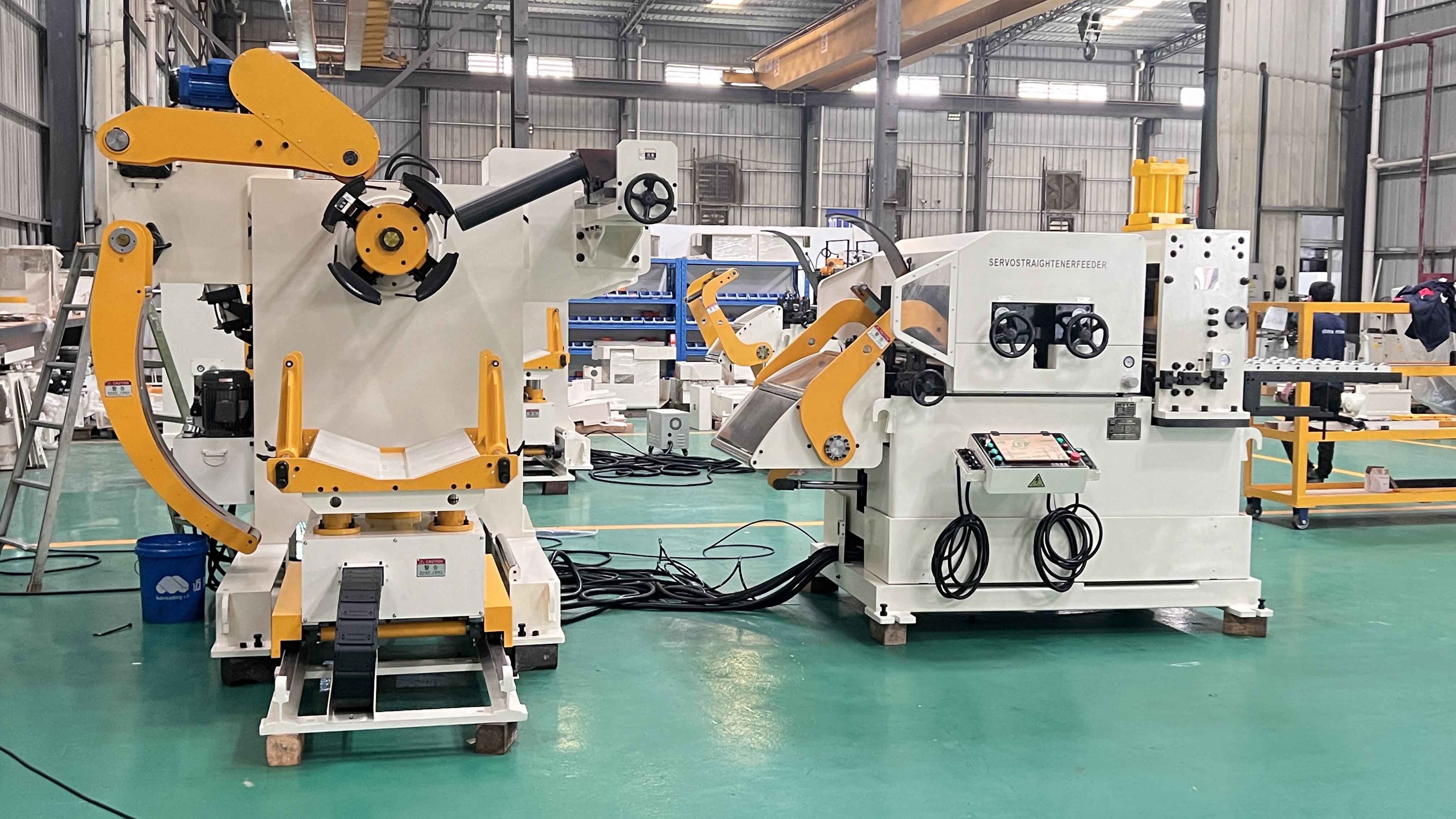
Poorly aligned equipment makes the problem worse. If the decoiler, straightener and feeder are not perfectly aligned, the strip is forced sideways and develops edge stress.
If the straightener rolls are set too aggressively for the material, the strip is over-bent and work-hardened, becoming brittle and prone to cracking. A coil break is rarely a single-cause event; it is usually the accumulation of several stresses on a vulnerable material.
How the Straightener Reduces Strip Stress
| Coil Break Cause | How It Creates Stress | How the NC Straightener Feeder Helps |
|---|---|---|
| Coil set curvature | Strip wants to stay curved, resists flattening | Roller straightening removes coil set progressively |
| Sharp pass-line bends | Stress concentrates at tight radii | Large-diameter rolls with gentle pass line |
| Edge cracks | Cracks propagate under tension | Even tension distribution, no edge overloading |
| Tension spikes | Sudden pull exceeds yield strength | Synchronized speed, constant tension control |
| Over-bending | Work hardening embrittles the strip | Adjustable roll settings matched to material |
| Misalignment | Sideways force stresses the edge | Precision-aligned pass line from coil to die |
The table above maps the main coil break causes to the straightener's countermeasures. The key principle is stress management: the strip should be straightened gradually, fed under controlled tension, and never forced through tight bends or sudden direction changes. A well-designed NC straightener feeder does exactly this.
Controlled Tension: The Feeder's Role in Preventing Breaks
After the strip is straightened, the NC servo feeder pulls it into the press with a controlled motion. The feeder's speed profile determines how much tension the strip experiences.
- Smooth acceleration profile prevents tension spikes on fragile strip
- Closed-loop control maintains consistent feed pitch without over-tensioning
- Decoiler speed synchronized to avoid strip slack or snarl formation
- Straightener and feeder work as one unit, eliminating push-pull conflict
- Fault detection stops the line before a small defect becomes a break
FANTY's 3-in-1 decoiler straightener feeder coordinates the decoiler, straightener and servo feeder electronically, so the strip is always under controlled, predictable tension.
Alignment and Pass-Line Design: The Hidden Defenders
Strip breakage is often traced back to a misaligned pass line. If the straightener exit is higher or lower than the feeder entry, the strip bends at the transition point every cycle, concentrating stress at exactly the same spot until it cracks.
FANTY machines are built on rigid, precision-machined bases with pass-line heights designed for smooth, straight strip travel.
The straightener rolls, feed rolls and guide system are aligned within tight tolerances, and the integrated design of the 3-in-1 unit eliminates the alignment errors that plague separate-component lines.
This is why customers processing high-tensile or edge-sensitive materials consistently choose FANTY's integrated configuration.
What to Do When a Coil Break Still Happens
Even with the best equipment, material defects can cause a coil break. When it happens, the first priority is operator safety: stop the press immediately and secure the loose strip before anyone approaches.
Check the straightener roll settings, the feeder acceleration profile and the decoiler brake tension. If breaks keep happening at the same spot in the strip, it is likely a material defect or a die-induced edge crack.
FANTY's remote support team can help you analyze the failure pattern and adjust the line settings to prevent recurrence, keeping your line running and your operators safe.
FANTY's Engineering Approach to Strip Integrity
Preventing coil breaks is a design philosophy at FANTY. Our 3-in-1 decoiler straightener feeder is engineered with large-diameter straightening rolls, a gentle pass line, precise alignment and synchronized servo control, all of which protect strip integrity.
Every machine is CE certified and supported by our 370 staff members, and our team applies lessons from more than 200 installed lines to every new configuration. When strip integrity matters, FANTY's integrated NC straightener feeder is the reliable choice for consistent, break-free stamping.
Frequently Asked Questions
What is the most common cause of coil breaks?
Most coil breaks combine material defects with mechanical stress: edge cracks, hard spots or coil set combine with excessive tension, sharp pass-line bends or misalignment to push the strip past its limit. Managing tension and eliminating sharp bends with an NC straightener feeder prevents the mechanical contribution.
Can an NC straightener feeder really prevent strip breaks?
It prevents the mechanical causes of breaks by removing coil set, keeping the pass line straight, and feeding under controlled tension with smooth motion. It cannot fix a defective coil, but it eliminates most of the line-induced stress that turns a small defect into a full break.
Why does my strip keep breaking at the same spot?
A break at the same spot usually means a consistent stress concentration: a fixed pass-line bend, a misaligned guide, or a die-induced edge crack. Measure the distance from the break to a fixed reference and inspect that section of the line. FANTY's engineers can help you diagnose the pattern remotely.
What should I do immediately after a coil break?
Stop the press, secure the loose strip, and clear the area before anyone approaches. Then photograph the break, inspect the line for alignment and tension issues, and review the straightener and feeder settings before restarting. Always prioritize operator safety over production speed.
Related reading
- how back tension affects straightening
- why pass line height matters
- how to hit a flatness spec on a coil line
Part of the 3-in-1 decoiler straightener feeder — the full library of coil handling, straightening and feeding guides from FANTY.
Struggling with coil breaks and strip damage on your line?
Talk to FANTY's engineers about an integrated NC straightener feeder solution designed to protect your strip, your die and your operators.
Get Engineering Advice