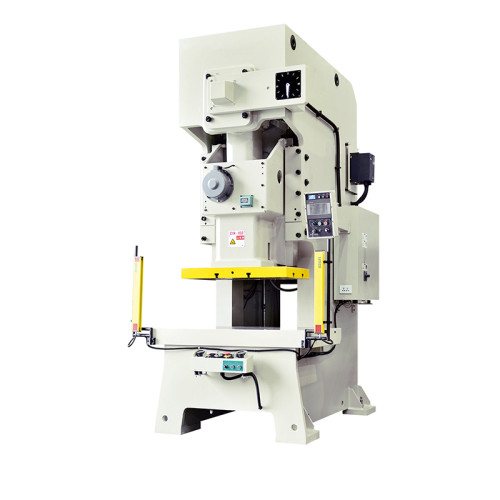
Why Is Your Decoiler Machine Not Feeding Properly? (Troubleshooting Guide 2026)
If your decoiler machine is not feeding properly, you're not alone. This is one of the most common issues faced in metal stamping lines—and it can lead to serious production delays, material waste, and even equipment damage.
But here’s the truth: most decoiler feeding problems are not random. They are predictable, diagnosable, and fixable.
In this expert troubleshooting guide, we’ll break down the real causes behind feeding failures and show you how to fix them—based on hands-on industrial experience from FANTY, a global manufacturer of coil handling and stamping automation systems.
What Does “Not Feeding Properly” Actually Mean?
Before jumping into solutions, it’s important to define the problem clearly.
A decoiler machine feeding issue may include:
- * Coil not unwinding
- * Material slipping or jerking
- * Inconsistent feeding speed
- * Material deviation or misalignment
- * Unexpected line stoppages
* Each symptom points to a different root cause.
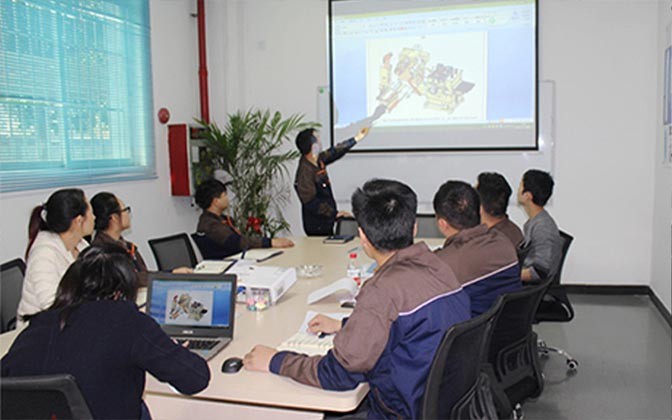
Top 7 Reasons Your Decoiler Machine Is Not Feeding Properly
1. Insufficient Coil Tension Control
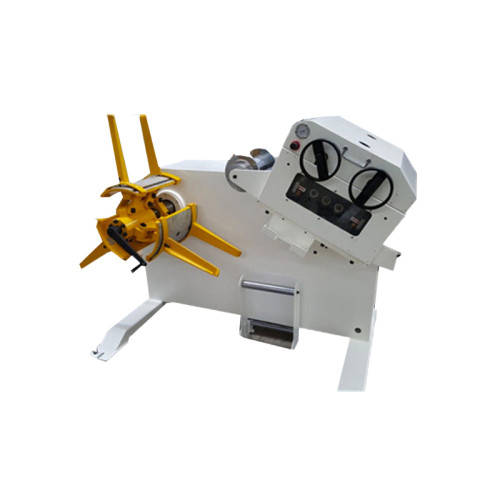
One of the most common issues is improper tension. Too loose, and the material will sag or slip. Too tight, and it may deform or stop feeding entirely.
Solution: Adjust the tension control system or upgrade to an automatic tension-controlled decoiler.
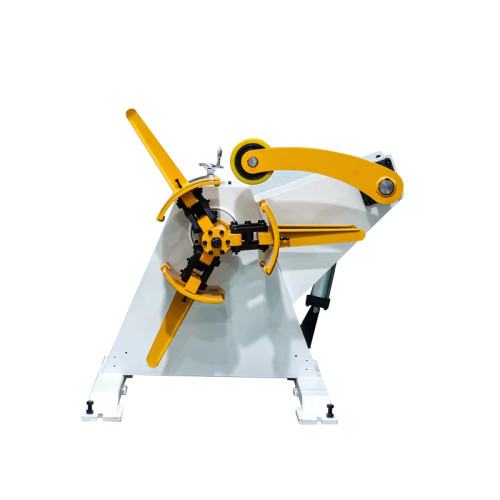
2. Worn or Damaged Mandrel
If the mandrel cannot securely hold the coil, feeding becomes unstable.
Solution: Use hydraulic expansion mandrels for better grip and durability.
3. Coil Slippage
Heavy coils can slip during operation if not properly secured.
Solution: Check clamping force and ensure proper coil loading.
4. Misalignment Between Machines
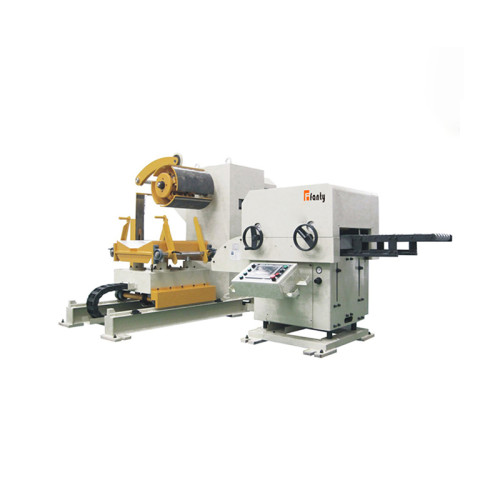
If the decoiler, straightener, and feeder are not aligned, feeding issues are inevitable.
Solution: Recalibrate the entire line and ensure proper installation.
5. Material Defects
Coils with inconsistent thickness or internal stress can disrupt feeding.
Solution: Inspect material quality before production.
6. Lack of Automation
Manual systems are more prone to inconsistency and human error.
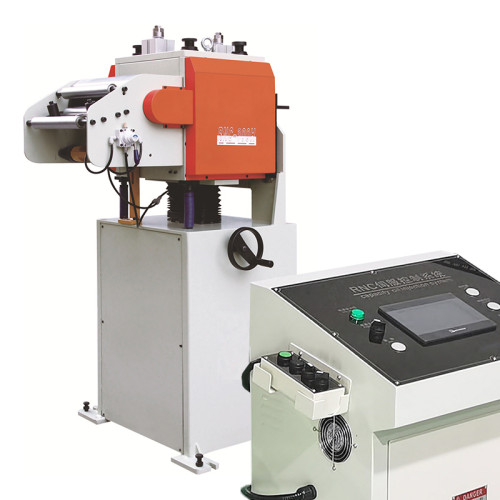
Solution: Upgrade to servo-controlled feeding systems.
7. Poor Maintenance
Neglected equipment leads to wear and unpredictable behavior.
Solution: Implement regular maintenance schedules.
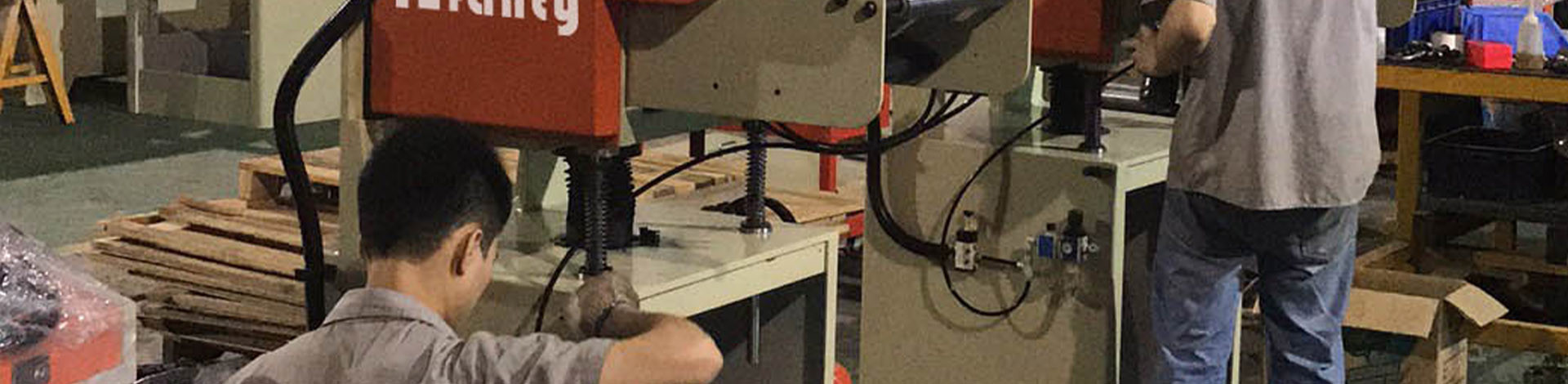
Step-by-Step Troubleshooting Guide
When your decoiler machine stops feeding properly, follow this structured approach:
- Step 1: Check coil installation and alignment
- Step 2: Inspect mandrel expansion and grip
- Step 3: Verify tension control settings
- Step 4: Examine feeding system synchronization
- Step 5: Test with a different coil
- Step 6: Inspect mechanical wear and lubrication
This method helps isolate the root cause quickly and reduces downtime.
How FANTY Solves Decoiler Feeding Problems
At FANTY, we’ve worked with manufacturers across industries to solve real-world feeding challenges.
According to our company background, FANTY evolved from a precision engineering workshop into a global provider of automated stamping solutions, specializing in:
- * High-performance decoiler machines
- * Servo feeder systems
- * Integrated stamping lines
- * Custom coil handling solutions
Our approach is different:
- * We analyze your entire production line—not just one machine
- * We provide customized solutions based on your material and process
- * We ensure long-term reliability, not just short-term fixes
* Many feeding issues are not caused by a single component—but by system mismatch. That’s where FANTY delivers real value.
When Should You Upgrade Your Decoiler Machine?
If you frequently experience feeding problems, it may be time to upgrade.
Signs you need a new system:
- * Frequent downtime
- * Manual adjustments required constantly
- * Inconsistent product quality
- * Increasing maintenance costs
* Modern automatic decoiler systems can significantly improve efficiency and reduce operational risks.
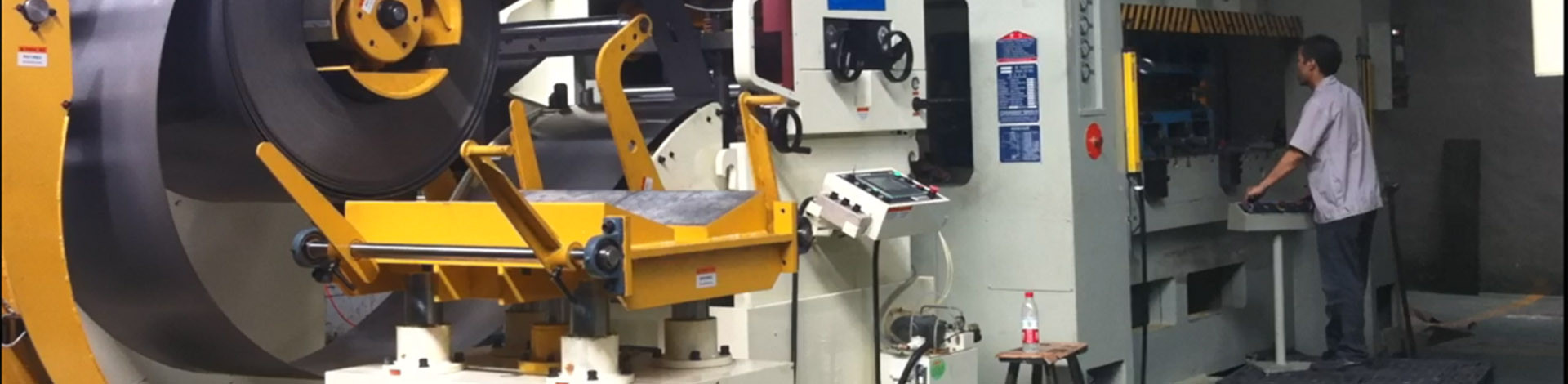
Preventive Tips to Avoid Feeding Issues
- Use high-quality coils
- Regularly inspect equipment
- Train operators properly
- Invest in automation
- Work with experienced suppliers like FANTY
Conclusion
So, why is your decoiler machine not feeding properly?
The answer usually lies in tension control, alignment, equipment condition, or system integration.
By identifying the root cause and applying the right solution, you can restore efficiency and prevent costly downtime.
If you're facing persistent feeding problems, it’s time to consult experts.
Contact FANTY today to get a customized solution and optimize your production line.
FAQ Section
Why is my decoiler slipping?
It is usually caused by insufficient mandrel grip or improper tension settings.
Can feeding issues damage my stamping line?
Yes, inconsistent feeding can cause misalignment, tool damage, and production defects.
How often should I maintain my decoiler?
Routine inspection should be done weekly, with deeper maintenance monthly.
Should I repair or replace my decoiler?
If issues are frequent and costly, upgrading is often more economical long-term.
Fanty · Coil Handling Equipment
Match a Decoiler to Your Coil, Not the Other Way Around
Send your coil inner diameter, outer diameter, weight and line speed. Our engineers reply with the mandrel size, motor power and expansion range that actually suits your coil — no guesswork, no overselling.
Get a Free QuoteFANTY Machinery · 13 years on stamping automation · 2,000+ coil lines installed · engineers reply within 24 hours