Which Incoterm Should a Coil Line Ship Under?
A 4.8 tonne straightener head leaves Shenzhen on a flat rack and reaches Veracruz nine days before the buyer's crane is free.
Nobody argues about the freight. The argument starts when the frame is found 6 mm out of square and each side points at the other's policy.
Which Incoterm the order is written under decides that argument before it starts. It fixes the moment risk moves, who books carriage, and whose insurance answers for damage.
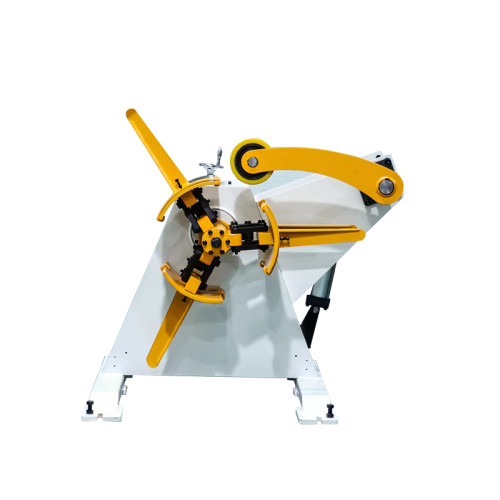
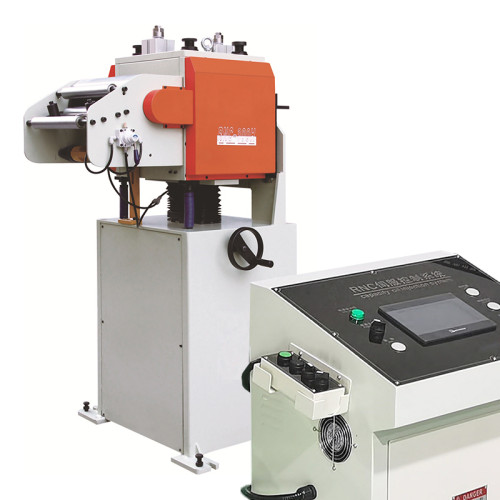
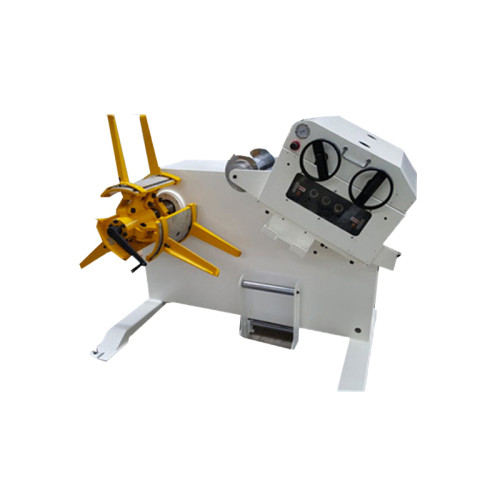
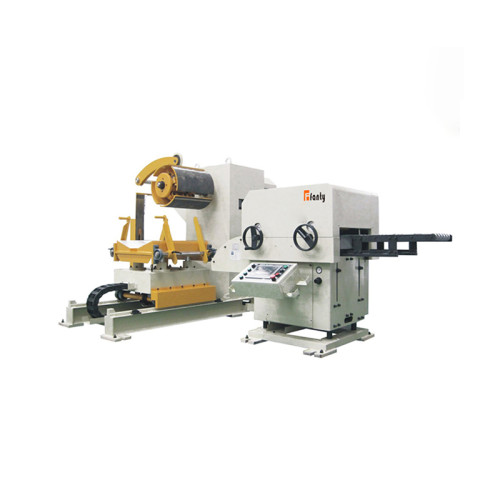
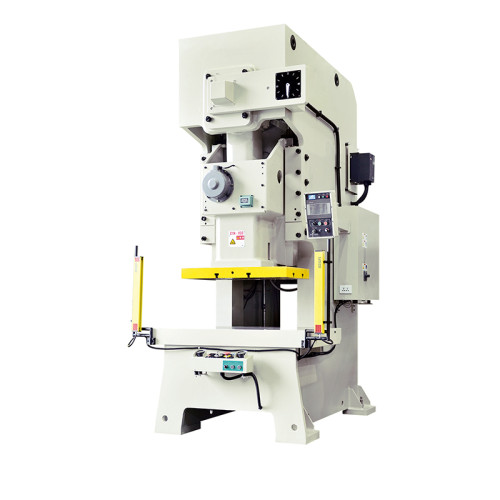
The coil line equipment index lists shipping weight and crate dimensions per model, and those are the numbers the term has to fit.
This guide compares the four terms that reach a machinery order, prices the insurance gap on a real invoice, and names the cases where the cheapest term is the wrong instrument.
Where the Risk Actually Moves
An Incoterm is a point on a map, not a warranty. Under FOB the risk moves when the goods are on board at the named port. Under DAP it moves when they reach the named place.
Between those two sentences sit four weeks of ocean, two crane lifts and a truck that has to reverse into a bay with 200 mm either side.
On a 68,000 USD head the ocean leg runs 4,200 to 5,800 USD. The damage that leg can do is the whole invoice, which is why the term deserves ten minutes of the negotiation.
Incoterms 2020 carries eleven terms. Four of them appear on machinery orders often enough to plan around: FOB, CIF, DAP and DDP. The rest are domestic, rare, or one of those four with a different cost split.
Read the term backwards from the damage. Ask who is holding the machine when the fork pocket bends, then check that the term puts that party on the hook.
The Four Terms That Reach a Machinery Order
FOB puts the machine on board at the seller's port and stops there. You book the ocean leg, you pick the forwarder, you buy the policy. It is the cheapest line on paper and the most work.
CIF is FOB with carriage and a minimum insurance policy added by the seller. The policy is the part buyers misread, and the next section takes it apart.
DAP delivers to your named place with the seller paying carriage to that point. Risk passes on arrival, before unloading, which matters on a machine that needs a 10 tonne lift off the truck.
DDP adds duty and import clearance. It reads as convenience and is often the wrong instrument, because the seller has to be importer of record in your country.
Each term also decides who pays for the crane at destination, who pays demurrage when the vessel is late, and who files the claim. Those three questions come up on almost every damaged shipment.
What Each Term Costs You in Practice
| Term | What it fixes | Where it costs you |
|---|---|---|
| FOB named port | Seller delivers on board; you control carriage and insurance from that point | You carry the ocean risk and need a forwarder who answers on a Sunday |
| CFR named port | Seller pays freight to destination port | No insurance included, and the freight is buried in a price you cannot compare |
| CIF named port | Freight plus minimum cover at 110 percent of invoice | Clause C cover excludes handling damage, which is how a bent frame gets refused |
| DAP named place | Seller carries the machine to your plant gate | Unloading is yours, and a 4.8 tonne lift needs a booked crane, not a forklift |
| DDP named place | Duty and clearance included, one price to the door | Requires the seller to be importer of record; otherwise the term is unenforceable |
The middle column is what the term promises. The right column is what it leaves on your side of the table, and that is the column to read twice.
Freight from Shenzhen to Veracruz on a 20 foot flat rack runs 4,200 to 5,800 USD depending on the season. Two identical quotes that differ by 900 USD are usually quoting different terms, not different service.
The Insurance Gap on a 4.8 Tonne Head
Here is the arithmetic that settles whether CIF is adequate. A 68,000 USD invoice insured at 110 percent gives 74,800 USD of cover, which sounds generous until you read the clause letter.
Clause C covers total loss and major casualties. It does not cover the guard bent by a sling, the panel cracked by a forklift, or the shaft knocked out of alignment in a transshipment yard.
Clause C costs roughly 0.06 to 0.12 percent of the insured value, or 45 to 90 USD. Clause A, which is all risks, runs 0.18 to 0.35 percent, or 135 to 260 USD on the same sum.
The difference is 90 to 170 USD on a machine that will run for fifteen years. Buy clause A and stop thinking about it, even when the seller's CIF price already includes a policy.
- Photograph the lashing and the rack deck before anything is cut
- Record the seal number and the rack or container number in the survey request
- Book a joint survey within 3 working days of discharge, before the machine moves
- Keep the packing list and the shipping marks; a claim without them stalls at the first desk
A survey costs 300 to 600 USD and settles an argument that would otherwise take a month of emails. On any head above 3 tonnes it is cheaper than the phone calls it prevents.
Flat Rack, Container or Break Bulk
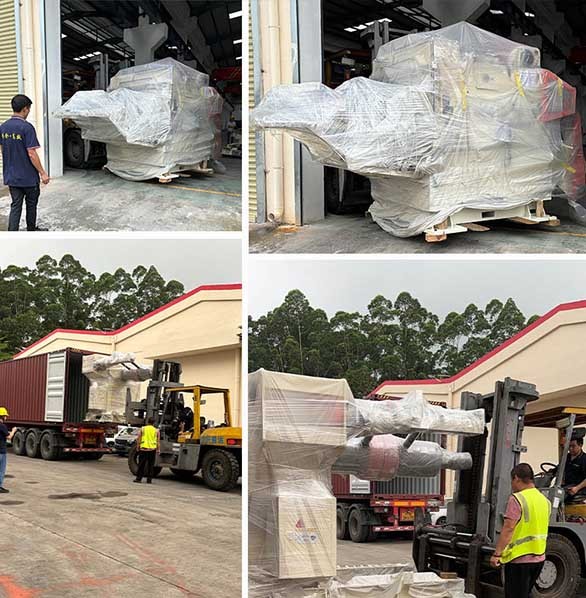
A 1,600 mm wide straightener head on its skid stands 2,150 mm tall. That clears a high cube door by 200 mm, which sounds fine until the skid is 120 mm of timber and the fork pockets add another 90.
Measure the tallest point with the skid fitted, not the height on the drawing. Most loading arguments start with a drawing that shows the machine without its base.
| Packing | What it protects | Where it costs you |
|---|---|---|
| 40 ft high cube, machine split | Lowest ocean cost per tonne and a sealed, dry interior | Two to four days of reassembly and re-alignment on site |
| 20 ft flat rack, machine complete | No reassembly, and the frame is visible at the first inspection | 15 to 30 percent freight premium, plus salt spray on an open deck |
| 40 ft flat rack, two heads | Spreads the premium across two machines | Needs a crane at both ends and a road permit for the inland leg |
| Break bulk | The only option above roughly 30 tonnes | Sailings two to six weeks apart, and port storage at 40 to 90 USD a day |
The flat rack premium is real money and usually the cheaper decision. Four days of reassembly, charged at 60 USD an hour for a stopped cell, is 1,920 USD before the first alignment check.
Where the Term Stops Working
No Incoterm covers what happens after the machine is on your floor. Damage found during commissioning is your damage, whatever the term says and whoever paid the freight.
DDP looks like the simplest option and is often the most fragile. If the seller cannot be importer of record in your country, the term is unenforceable as written and the broker improvises at your expense.
CIF also leaves unloading open. Under most CIF contracts the buyer takes the machine off the ship, and a 4.8 tonne lift without a booked crane becomes a standing charge you pay twice.
None of the eleven terms sets payment, title, delay penalties or the warranty start date. Those live in the contract, and buyers who assume the Incoterm covers them end up negotiating one document instead of two.
Where the term misleads most is the belief that cost and risk move together. They do not.
FOB gives the lowest price and the largest exposure. DAP gives the smallest exposure and a price you cannot benchmark against anyone else's quotation.
Writing the Term Into the Order
Name the term, the edition and the place. DAP alone means nothing. DAP, Incoterms 2020, buyer plant door 4, Apodaca, Nuevo Leon is a sentence a forwarder can price without calling you.
Then add the three clauses the term leaves out: a 3 day joint survey window, spare parts shipped under the same term as the machine, and liquidated damages of 0.3 percent of order value per week of delay.
Ask for crate dimensions, gross weight and the centre of gravity with the quotation. A seller who cannot supply them has not shipped this class of machine before.
The decision rule is short. Three or more shipments a year and your own forwarder, buy FOB. One machine and no import department, buy CIF and place your own clause A policy.
Where installation sits inside the seller's scope, buy DAP and put a crane plan in writing before the vessel sails.
What the term does not settle is how much machine you should be shipping at all. The specification cost guide maps each line on a quotation to the price it adds and the cost it avoids.
Does CIF insurance pay for a bent frame at 110 percent of invoice?
Only if the damage falls under a listed peril in clause C. Handling damage usually does not. Clause A cover costs 90 to 170 USD more on a 68,000 USD invoice.
How much does a 20 foot flat rack add over a 40 foot container?
15 to 30 percent on the ocean leg, or 700 to 1,400 USD on a Shenzhen to Veracruz sailing. It is usually cheaper than four days of site reassembly.
How long do you have to book a damage survey?
Three working days from discharge is the practical window. Waiting until the machine reaches site weakens the claim to the point where insurers offer a fraction.
Is DDP ever the right term for a coil line?
Yes, when the seller has a registered import entity in your country and installation is in scope. Without both, use DAP and clear the goods yourself.
Where to go next
The term decides who carries the risk in transit. The specification decides how much machine there is to carry, and that number is set months earlier.
Price the specification first