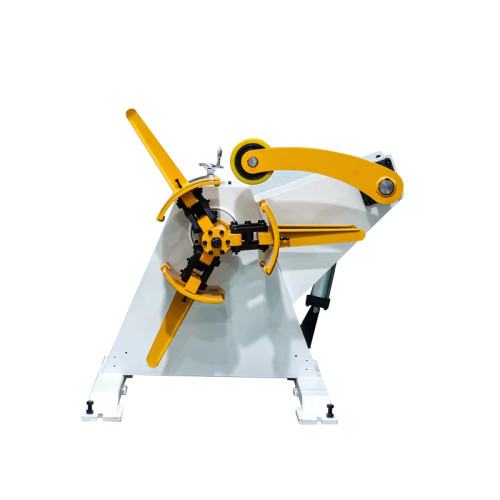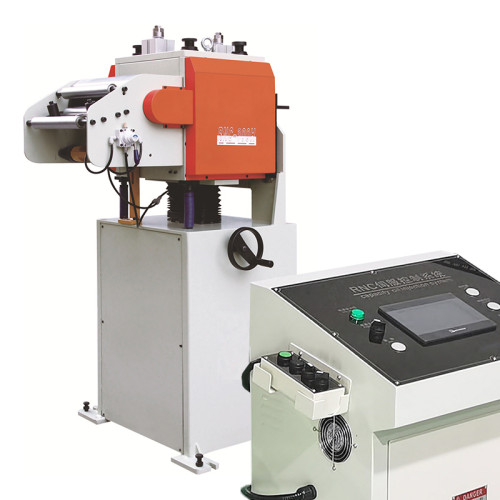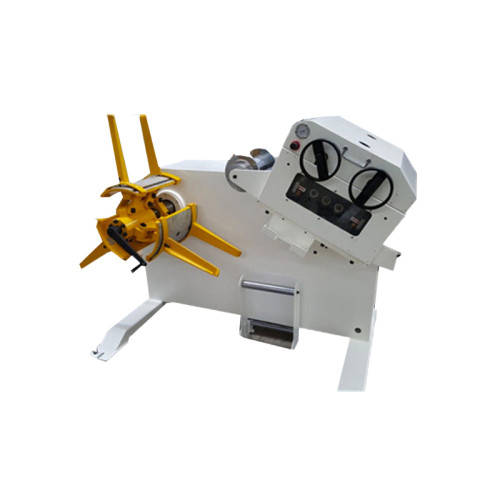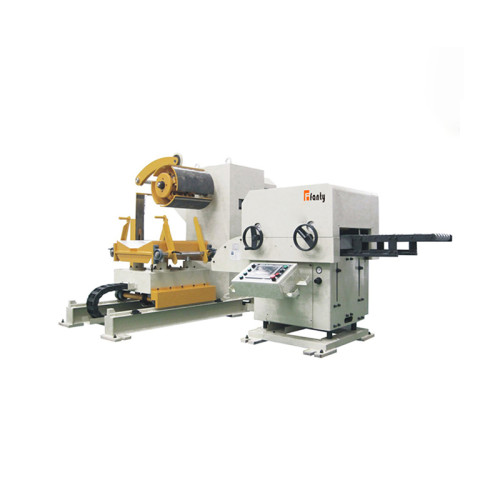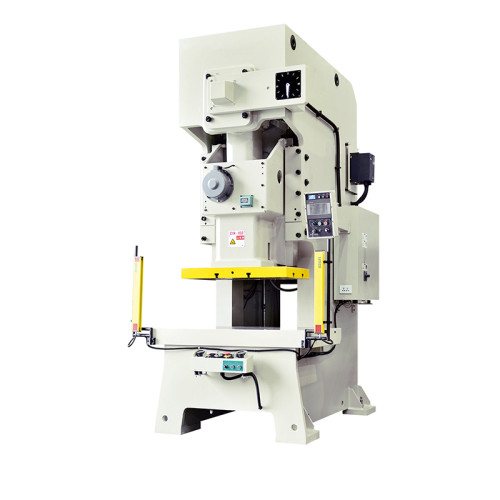
What Spare Parts Do You Need for an NC Straightener Feeder?
If you operate a stamping line, this question deserves your attention before the machine stops, not after. A NC straightener feeder runs thousands of cycles per shift, and every one of its wear components ages on a predictable curve. Ordering the right spares at the right time is the difference between a ten-minute repair and three days of unplanned downtime.
As a Senior Stamping Engineer who has supported more than 200 active coil line installations across 60+ countries, I have watched the same scenario repeat itself: a feeder fails, the maintenance team discovers the replacement part has a six-week lead time, and the press sits idle while production targets slip.
This guide walks through the complete spare parts picture for a modern NC straightener feeder, what each component does, how fast it wears, and how many units you should keep in stock.
FANTY has spent 12 years building servo-driven coil feeding equipment in a 45,000 m² factory with 370 staff and more than 80 R&D engineers, and every machine we ship is CE certified. The recommendations below are drawn from real maintenance records, not theory.
Why a Spare Parts Plan Keeps Your NC Straightener Feeder Running
Unplanned downtime is the most expensive failure mode in stamping. Every minute the press waits on a missing part is a minute of lost output, and when a die is already in the press, the cost multiplies because the whole setup becomes idle.
Think about the math. If your NC straightener feeder runs two shifts at 40 strokes per minute, its feed rolls rotate hundreds of thousands of times every month. Bearings, seals, and roll surfaces are engineered to last, but they are not engineered to last forever. The question is not whether a component will wear out, it is whether you will be ready when it does.
There is also a procurement reality to consider. Servo motors, encoder cables, and precision straightening rolls are manufactured in batches. If you wait until a failure to order, you accept the manufacturer's lead time, which can stretch to weeks for imported components.
A spare parts plan flips the situation: you hold the critical items, and the supplier ships replacements at a relaxed, scheduled pace.
From a budget perspective, the numbers are surprisingly small. Spare parts for a typical 3-in-1 decoiler straightener feeder represent roughly 3 to 5 percent of the machine price over the first three years. That is a modest insurance premium compared with the revenue a single unplanned shutdown can cost a busy stamping shop.
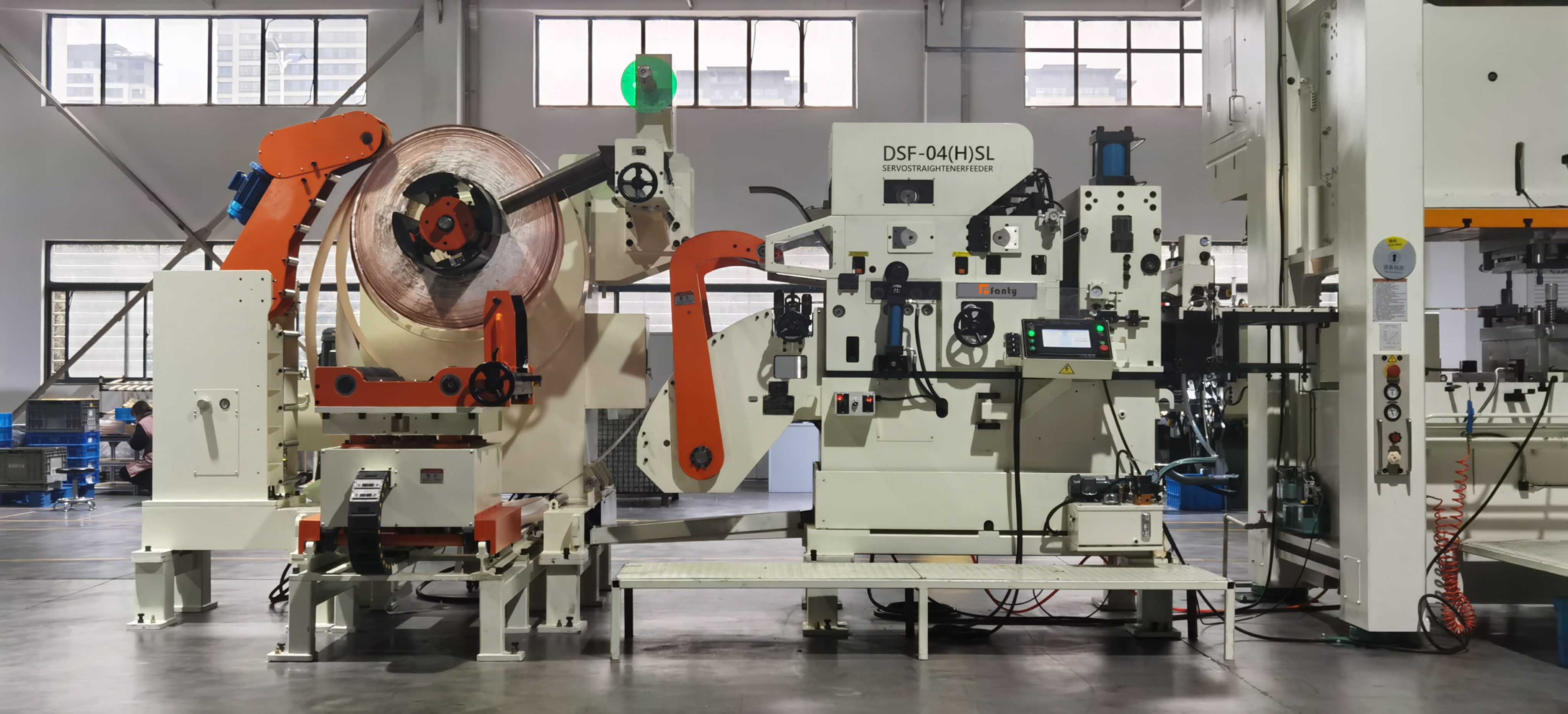
NC Straightener Feeder Spare Parts Checklist
The table below lists the critical spare parts for an NC straightener feeder, what each one does, its typical service life, and the warning signs that replacement is due. Use it as the basis for your own stock list.
| Spare Part | Function | Typical Life | Replace When |
|---|---|---|---|
| Feed rolls (pairs) | Grip and advance the strip into the die | 18–36 months | Grooves or wear lines visible on the surface |
| Straightening rolls | Remove coil curvature and internal stress | 24–48 months | Strip flatness drifts or surface becomes pitted |
| Support bearings | Carry roll rotation with low friction | 12–24 months | Audible noise, heat, or vibration increase |
| Encoder and signal cable | Report feed position to the servo drive | 24–36 months | Intermittent position errors or alarms |
| Pneumatic seals and valves | Control clamping and pressure release | 12–18 months | Air leaks, slow clamping, pressure drop |
| Grease fittings and lubrication kit | Keep roll assemblies lubricated | Consumable | At every scheduled service interval |
These six groups cover about 90 percent of the serviceable components on a typical machine. The remaining 10 percent, such as the servo drive card itself, rarely fails, but it is worth knowing the replacement lead time from your supplier regardless.
How to Categorize Your NC Servo Feeder Spares
Not every spare part deserves the same stocking strategy. Divide your list into three categories, and the budget becomes much easier to manage.
- Fast-moving wear parts — feed rolls, straightening rolls, seals and bearings that are consumed during normal operation and should always be in stock.
- Slow-moving but critical parts — encoder cables, servo drive cards and sensors that fail rarely but cause long downtime when they do, so hold one unit each.
- Planned consumables — grease, filters and cleaning supplies consumed at every service, ordered on a calendar schedule rather than an event basis.
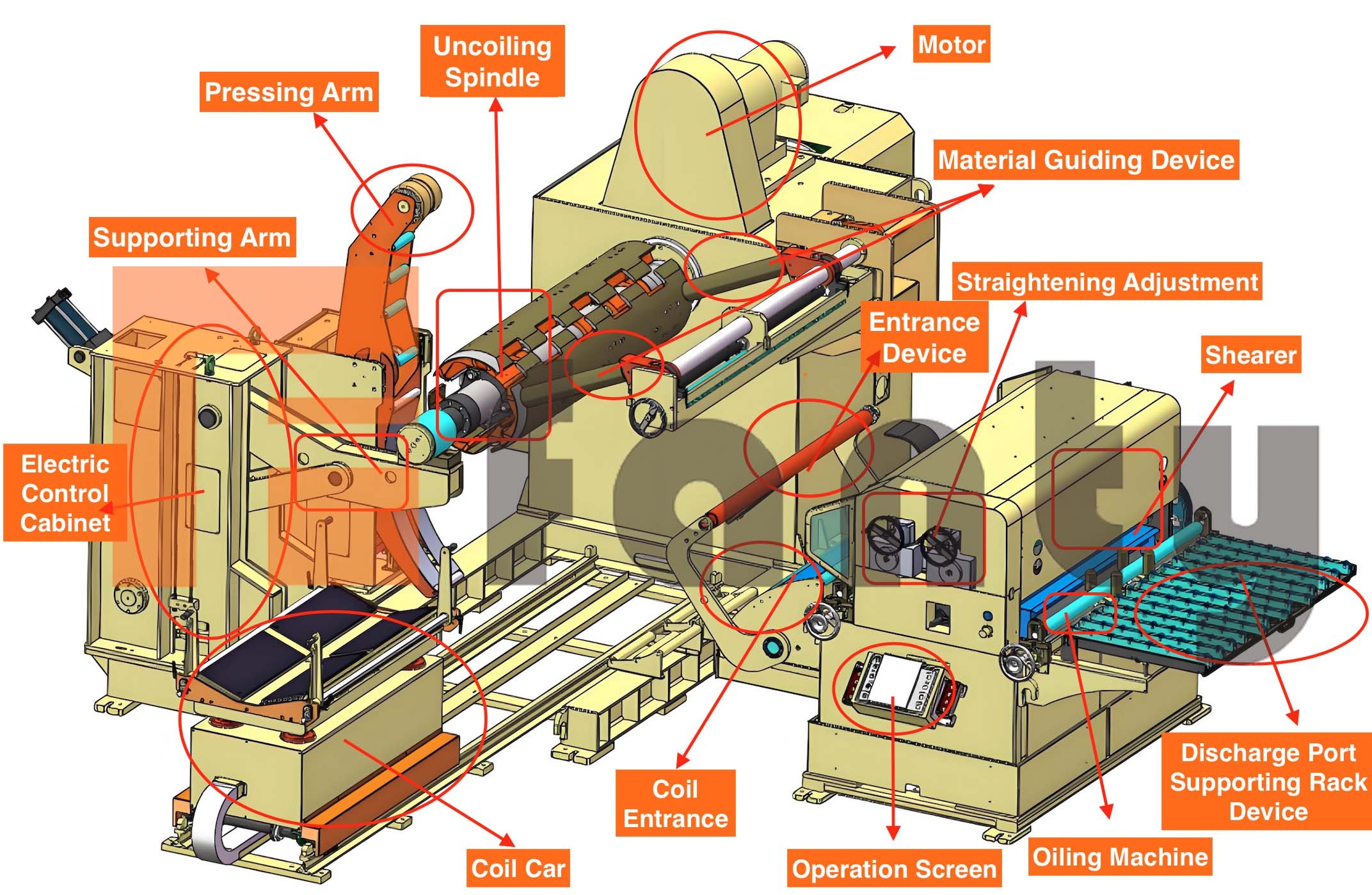
How Many Spare Parts Should You Stock?
The right stock level depends on three factors: how many shifts the line runs, how far you are from the nearest parts supplier, and how critical the machine is to your production schedule. A single-shift prototype shop needs a much smaller cabinet than a three-shift automotive parts supplier.
A practical starting point for a 3-in-1 decoiler straightener feeder is one complete set of wear items, meaning one pair of feed rolls, one set of straightening rolls, one bearing kit, one encoder cable, and one seal kit.
For components with long lead times, such as precision straightening rolls, consider holding a second set if your line cannot tolerate more than a few hours of downtime.
Review the stock twice a year. Track what actually gets consumed, and adjust quantities to match reality. A parts cabinet that grows stale is almost as bad as an empty one, because the parts themselves age on the shelf.
One more point that experienced maintenance managers often miss: document everything. Keep a simple log of which part was fitted, when, and how many strokes the machine had run at that point.
Over a few quarters this log becomes the most accurate wear-prediction tool you own, because it is based on your actual duty cycle rather than a generic estimate.
When you combine that data with the recommended service schedule from the manufacturer, you can schedule roll changes during planned shutdowns instead of reacting to failures.
If your plant runs multiple coil lines, standardize the spare parts list across machines of the same model. A shared cabinet reduces total stock value and simplifies training, because every technician learns the same part numbers, the same storage locations, and the same replacement procedures.
This standardization is one of the quickest wins available in stamping maintenance, and it costs nothing except a little organization.
Frequently Asked Questions About NC Straightener Feeder Spares
Which spare parts are normally covered by the warranty?
Most manufacturers, including FANTY, cover manufacturing defects in structural parts and drive components for the warranty period. Wear items such as rolls, seals, and bearings are typically excluded because their life depends on operating conditions. Always confirm the exact list in your contract before you negotiate.
How do I know when the feed rolls of my NC straightener feeder need replacement?
Check the roll surface during every scheduled service. Small grooves or a polished wear band in the contact zone indicate the surface is degrading. If feed length accuracy drifts, or you see slippage marks on the strip, replace the roll pair rather than adjusting the machine to compensate.
Should I buy original spare parts or generic alternatives?
Original parts are engineered to the exact hardness, surface finish, and tolerance of the machine. Generic straightening rolls, for example, often lack the correct surface treatment and wear out faster or damage the strip. For a machine that must hold ±0.05 mm feed accuracy, original parts are the safer investment.
How often should I place a spare parts order?
Plan a small order every three to six months to replenish consumed items, and schedule a larger annual order for long-lead components. This rhythm keeps the cabinet fresh without tying up excessive capital in inventory.
Can FANTY help me build a spare parts list for my machine?
Yes. When you buy a machine, FANTY provides a recommended spare parts list matched to your coil width, material, and duty cycle. Our service engineers can also review your stock levels during commissioning and annual inspections.
Related reading
- how much floor space a coil line needs
- how to select the right model
- what each specification line really costs
Part of the the coil line guide library — the full library of coil handling, straightening and feeding guides from FANTY.
Plan Your Spare Parts Before You Need Them
Talk to FANTY's engineers about a spare parts package matched to your NC straightener feeder and stamping line.
Request a Spare Parts Quote