Is a Two-Day Supplier Audit Worth the Airfare?
Two days on a supplier's floor costs about USD 2,400 once airfare, hotel and two engineers off the job are added up. One build fault that ships with the machine costs ten times that before the crate is even open.
That ratio is the whole argument for a coil line supplier audit, and it is also why most audits return nothing.
A visitor who walks the showroom, photographs the test bay and eats lunch with the sales manager has confirmed that the company exists.
What separates a useful visit from a factory tour is knowing which four stations to stand at, and which questions have answers that cannot be rehearsed.
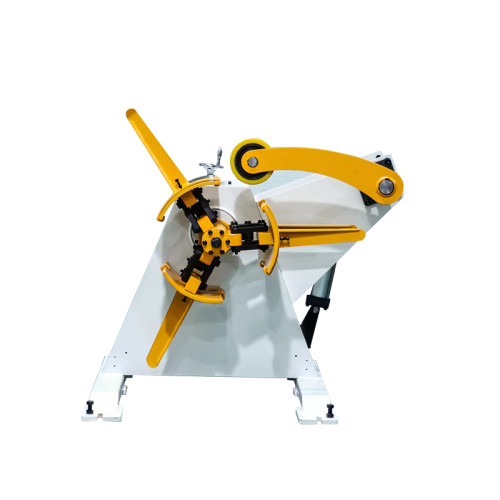
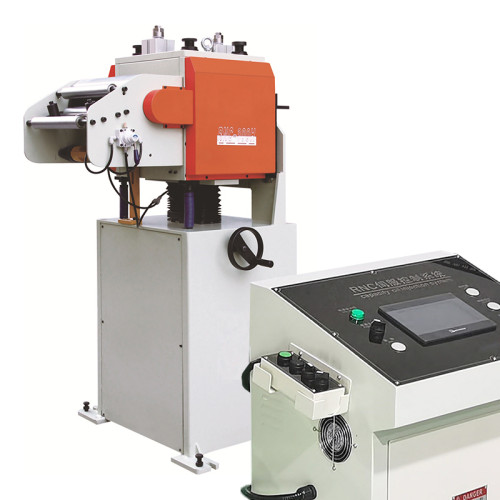
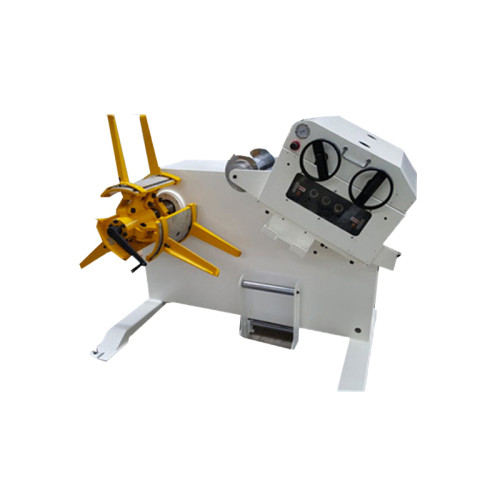
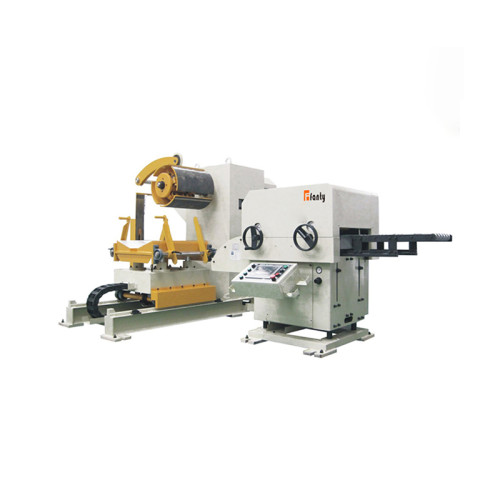
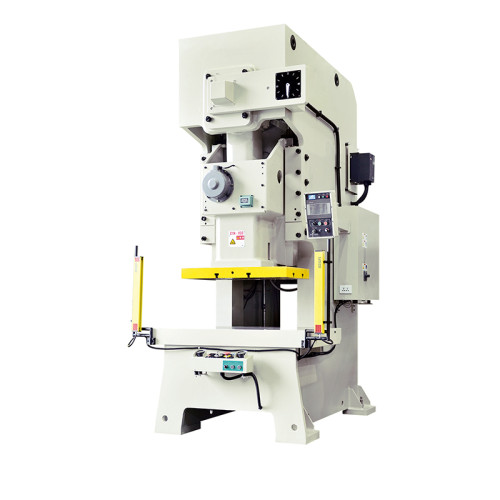
For the equipment side of the comparison, the machine specification pages show what each station should look like once it is finished.
Three Ways to Qualify a Supplier, and What Each One Costs
Every buyer has exactly three routes to a decision, and they trade money against evidence in a predictable way.
| Route | What you get back | What it costs you |
|---|---|---|
| Reference calls only | Two hours of opinion from buyers who already paid | You hear what the reference chooses to remember. Nobody volunteers a failure to a stranger |
| Third-party inspection | A written report, photos, dimensional records, an inspector who does this weekly | USD 600 to 1,200 per visit, and the inspector may not know what a properly shimmed roll stack looks like |
| Your own two-day visit | Torque records, weld prep, wiring practice, a run-off you can stop mid-cycle | Two engineers, two days, and nothing at all if you arrive without a route through the plant |
The middle route is the one buyers overrate. An inspection agency measures what you ask it to measure, in the units you specify, and returns a report that is accurate and shallow.
It cannot tell you that the roll housings were machined on a Tuesday after the coolant was changed, or that the same fitter has assembled every frame for nine years.
Those are the things that decide whether the machine still holds ±0.05 mm at year six.
Four Stations That Decide Whether the Build Is Sound
Walk past the assembly hall and go straight to these. Each one takes twenty minutes and each one is hard to stage.
- Frame weld prep. Look at a frame that has not been painted. Grinding marks that run across a weld toe, rather than along it, mean the welder dressed the joint to hide undercut instead of repairing it.
- Roll assembly bench. Ask to see a roll stack being shimmed. A clean bench with labelled shim sets and a torque wrench within reach tells you more than any certificate.
- Panel wiring practice. Ferrule every wire, separate AC and encoder cable, and ground the shield at one end only. Sloppy practice here becomes feed drift two years later.
- The spares shelf. A supplier who keeps mandrel segments, brake pads and feed roll sets on the shelf has been through a warranty cycle. An empty shelf has not.
Torque records deserve a separate mention. Ask for the tightening log on the frame bolts of a machine built last quarter, not last year.
If the answer is a shrug, the assembly relies on feel, and feel varies by shift.

The fourth station is the one buyers skip because it feels rude. Walk the warranty shelf and ask what came back last year.
Every supplier has returns. A supplier who says none has either a very small order book or a service manager who was not told about the visit in advance.
The Evidence That Travels Back With You
Bring a folder home, not a camera roll. Four documents survive the flight and still mean something in a contract negotiation six weeks later.
| Document | What it proves | Where it misleads |
|---|---|---|
| Run-off sheet with strip data | The machine hit a stated length and flatness on a stated material | Shows one coil, one die height, one operator. Says nothing about the third shift |
| Electrical schematic, as built | Terminals are numbered and match the panel | Proves documentation discipline, not that the drive is sized for your 200 SPM |
| Weld and NDT records | Frame joints were inspected to a written procedure | Covers the frame only. Roll housings and mandrels rarely appear |
| Component list with brands | Bearings, PLC and servo drives are named, not "equivalent" | A named brand can still be the entry model of that brand |
The run-off sheet is the one worth arguing about before you book the flight.
Agree in advance which material, which thickness, which feed length and which tolerance the demonstration has to hold, and ask for the numbers to be written on the sheet while you watch.
Where Two Days Still Tell You Nothing
Be clear about the ceiling of this exercise before you spend the money.
A visit cannot test your material. The supplier runs what is on the floor, and a coil of SPCC at 1.2 mm behaves nothing like the HSLA 420 at 2.5 mm you actually bought the line for.
It cannot test your die. Feed length accuracy is a property of the line and the tool together, and a demonstration die with a wide pilot clearance will flatter any machine.
It cannot test your operators. The crew that commissions the line in your plant will be learning on your scrap, and no amount of factory evidence changes that.
Most importantly, a visit cannot test time. Wear shows up in mandrel segments, feed roll crowns and brake linings after 4,000 to 6,000 hours.
Two days in a clean hall is a snapshot of assembly quality, not a forecast of the fifth year.
Matching the Route to the Order
The trip is not always justified. Order size, novelty and the cost of a late start decide it.
Below roughly USD 80,000 for a single standard machine, a third-party inspection plus three reference calls is usually enough.
The build is repeatable, the design is proven, and the downside is a repair bill rather than a lost programme.
Above USD 250,000, or whenever the line is feeding a die that already exists in your plant, go yourself. At that level the machine has to match a process, and process mismatches are what a report never catches.
Repeat orders are the exception in both directions. If you bought from the same supplier three years ago and the machine is still holding tolerance, the audit budget belongs in spares instead.
One case sits outside the table: a first machine that will be copied three more times. The visit then covers four machines, and the per-machine cost falls below a third-party report.
What to Book Before You Fly
Two days collapse into one if the schedule is left to the host. Send this list a week ahead and hold the supplier to it.
- One hour in the assembly hall with no sales staff present, and permission to photograph unpainted frames.
- A run-off on a machine of the same frame size, using a strip sample you ship ahead of the visit.
- The as-built schematic and component list, handed over on the day rather than emailed afterwards.
- Thirty minutes with the service manager, asking how many mandrel segments were replaced last year and why.
Our own halls run to 45,000 m² with 370 people on the floor.
The visit that works here is the same one that works at any competitor.
An unannounced route, a machine in pieces, and a service manager who answers questions about failures without checking with sales first.
How many supplier visits does a 5-machine line justify?
Two, at different stages. One during frame assembly, when weld prep and housing alignment are still visible, and one at run-off.
A single visit at run-off shows you a finished machine and hides everything that decides its fifth year.
Is USD 1,200 for a third-party inspection good value?
For a machine under USD 80,000, yes, provided you write the checklist yourself.
For a line above USD 250,000 it covers perhaps 20 percent of what a two-day visit reveals, and the report will not mention assembly practice at all.
What tolerance should the run-off have to hold?
Ask for the tolerance you will accept in production, not a rounder one.
If your die needs ±0.05 mm at 180 SPM on 1.5 mm SPCC, the demonstration should be run at 180 SPM on 1.5 mm SPCC, and the sheet should carry the number.
Can a video call replace the trip?
For a repeat order, largely yes. For a first machine feeding an existing die, no.
A camera cannot show you the torque wrench on the bench or the condition of the spares shelf, and those two details predict more than any walkthrough video.
Where to go next
An audit answers whether the build is sound; it does not answer whether the specification is right, and over-specified lines are the more expensive mistake.
The cost of each specification line is mapped out in our guide to what every spec item really adds.
Read the specification cost guide