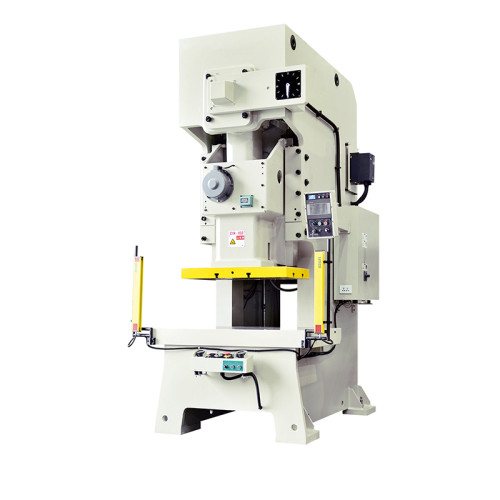
How to Install a Decoiler Machine Correctly for Safe and Efficient Production?
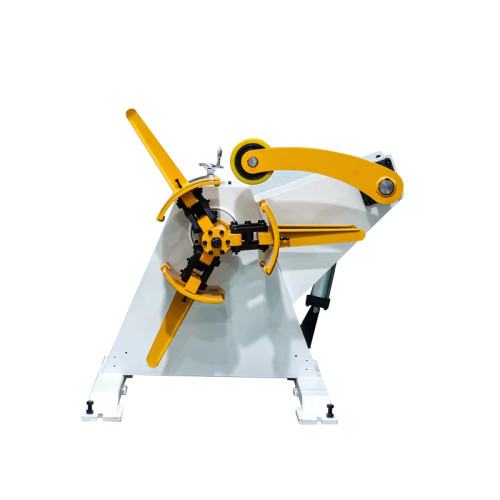
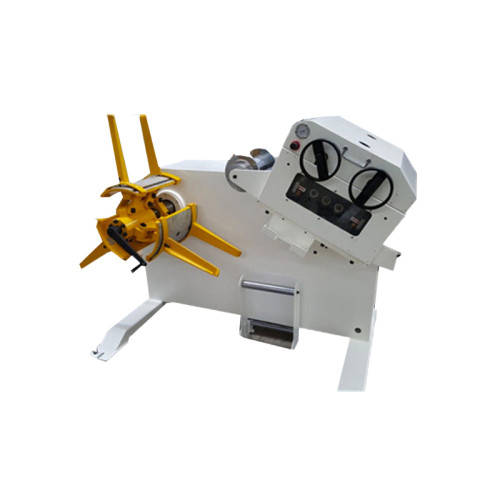
In modern metal processing industries, the decoiler machine is one of the most important pieces of equipment in coil-fed production lines. Whether used in stamping, roll forming, laser cutting, HVAC manufacturing, or steel fabrication, a properly installed decoiler directly affects production stability, feeding accuracy, equipment lifespan, and workplace safety.
However, many manufacturers underestimate the importance of professional installation. Even a high-quality decoiler machine can experience serious operational problems if the installation process is not handled correctly.
Improper installation may lead to:
- * Feeding instability
- * Machine vibration
- * Hydraulic leakage
- * Servo synchronization problems
- * Premature component wear
- * Safety risks
- * Unexpected downtime
That is why many factory owners and engineers ask:
“How should a decoiler machine be installed properly?”
In this complete installation guide, we will explain:
- * Pre-installation preparation
- * Foundation requirements
- * Machine positioning and alignment
- * Electrical and hydraulic connections
- * Safety inspections
- * Commissioning procedures
- * Common installation mistakes
- How FANTY supports global installation projects
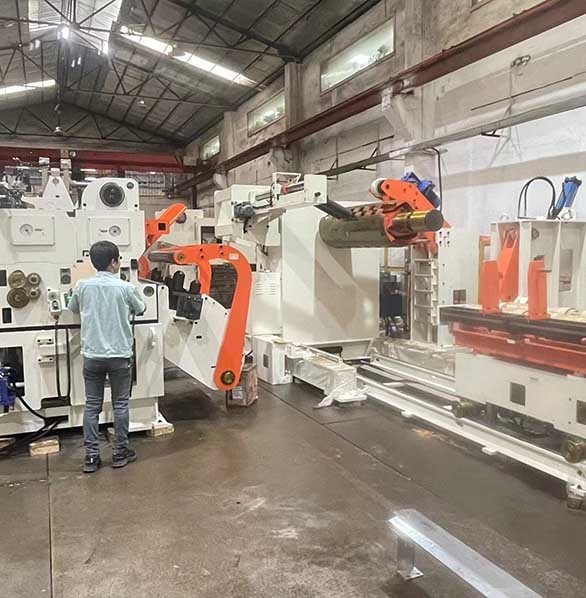
Why Proper Decoiler Machine Installation Matters
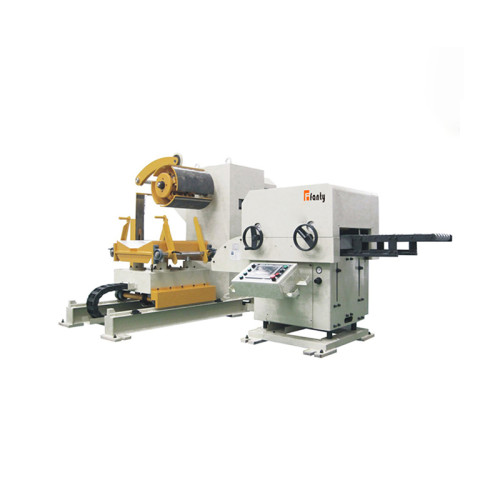
A decoiler machine is not a standalone device operating independently. It is usually integrated with:
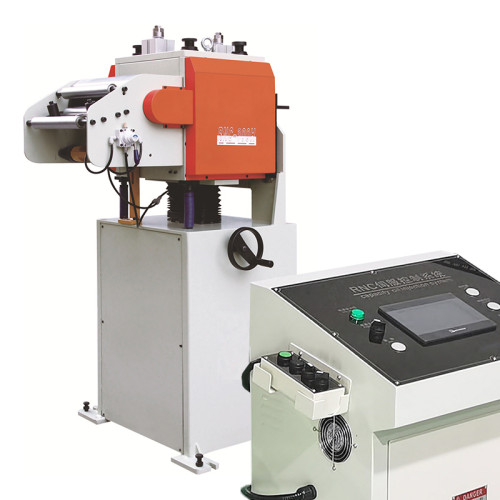
- * Servo feeders
- * Straightening machines
- * Punch presses
- * Roll forming lines
- * Laser cutting systems
- * Automated production systems
This means installation accuracy directly affects the synchronization and stability of the entire production line.
Proper installation helps manufacturers achieve:
| Installation Benefit | Production Impact |
|---|---|
| Stable Machine Operation | Reduces vibration and feeding problems |
| Improved Feeding Accuracy | Enhances product consistency |
| Longer Machine Lifespan | Reduces structural stress |
| Safer Production Environment | Improves workplace safety |
| Higher Production Efficiency | Reduces downtime and instability |
Professional installation is the foundation of long-term production reliability.
Step 1: Pre-Installation Preparation
Before installing the decoiler machine, manufacturers should carefully prepare the installation environment.
Factory Space Planning
Ensure sufficient space for:
- * Machine operation
- * Coil loading
- * Maintenance access
- * Material flow
- * Operator movement
Insufficient working space may create safety risks and maintenance difficulties.
Foundation Inspection
The factory floor must provide:
- * High load-bearing capacity
- * Stable concrete structure
- * Level surface accuracy
- * Minimal vibration influence
Heavy-duty hydraulic decoilers require especially strong foundations because they handle large steel coil weights continuously.
Step 2: Positioning the Decoiler Machine
Correct machine positioning is essential for smooth coil feeding and downstream synchronization.
The decoiler centerline must align precisely with:
- * Feeder systems
- * Straightening machines
- * Roll forming lines
- * Punch press feeding paths
Incorrect alignment may cause:
- * Material deviation
- * Feeding instability
- * Roller damage
- * Material scratching
- * Servo synchronization errors
Recommended Alignment Tools
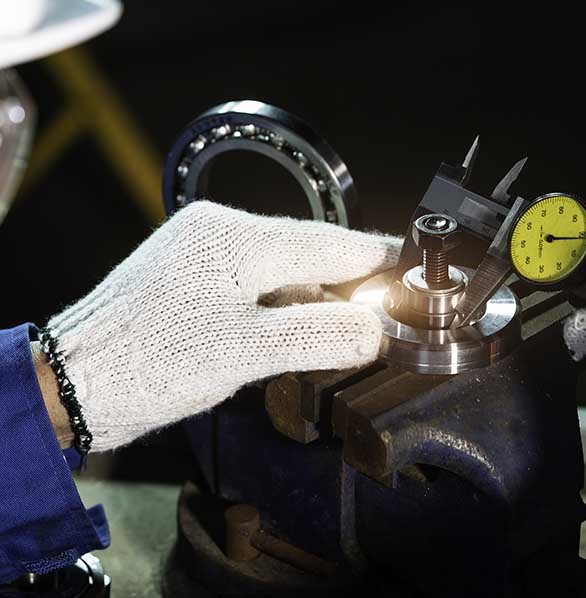
- * Laser alignment systems
- * Precision spirit levels
- * Measuring instruments
- * Industrial alignment gauges
Professional alignment improves both efficiency and equipment lifespan.
Step 3: Securing the Machine Foundation
After positioning, the decoiler must be securely anchored to the foundation.
Typical anchoring methods include:
- * Anchor bolts
- * Chemical bolts
- * Embedded steel plates
- * Heavy-duty fastening systems
A stable foundation minimizes vibration during high-speed production.
| Foundation Requirement | Recommended Standard |
|---|---|
| Concrete Thickness | Heavy industrial reinforced concrete |
| Surface Flatness | Precision-leveled surface |
| Load Capacity | Must support full coil weight |
| Vibration Resistance | Industrial anti-vibration design |
Step 4: Electrical Installation and Wiring
Electrical installation should always be performed by qualified industrial electricians.
Modern automatic decoiler systems typically include:
- * PLC control systems
- * Servo drives
- * Hydraulic motor controls
- * Safety circuits
- * Emergency stop systems
Important Electrical Checks
- * Correct voltage supply
- * Grounding protection
- * Cable insulation
- * Electrical cabinet ventilation
- * Emergency stop functionality
Poor electrical installation may lead to:
- * Servo alarms
- * Control system instability
- * Electrical overheating
- * Production interruptions
- * Safety hazards
FANTY automatic decoiler systems are designed with intelligent PLC integration for stable industrial automation performance.
Step 5: Hydraulic System Installation
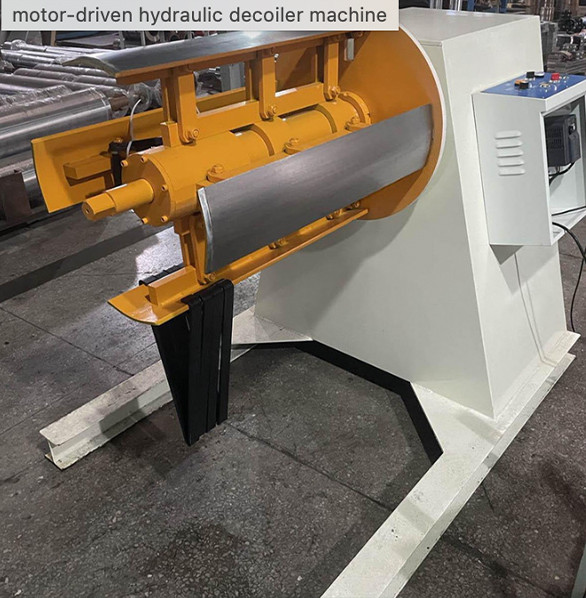
Hydraulic systems are critical for automatic decoilers because they control:
- * Mandrel expansion
- * Coil loading cars
- * Pressing arms
- * Hydraulic tension systems
Hydraulic Installation Checklist
| Inspection Item | Purpose |
|---|---|
| Hydraulic Hose Connection | Prevent oil leakage |
| Hydraulic Oil Level | Ensure stable pressure |
| Pressure Testing | Verify operational stability |
| Filter Inspection | Reduce contamination risks |
Hydraulic contamination is one of the most common causes of long-term equipment failure.
Step 6: Safety Inspection Before Startup
Before operating the machine, a full safety inspection must be completed.
Critical Safety Checks
- * Emergency stop systems
- * Safety guards
- * Hydraulic pressure stability
- * Electrical grounding
- * Mandrel locking system
- * Coil loading safety
Proper safety inspection helps reduce workplace accidents and production risks.
At FANTY, safety-oriented engineering is a core part of our machine design philosophy.
Step 7: Machine Commissioning and Testing
After installation is complete, the decoiler must undergo commissioning and operational testing.
Testing Procedures
- * No-load testing
- * Hydraulic pressure testing
- * Rotation stability testing
- * Brake tension adjustment
- * Feeding synchronization testing
- * Emergency stop verification
Trial production should begin with low-speed operation before gradually increasing to full production speed.
This process helps identify installation or synchronization problems early.
Common Decoiler Installation Mistakes
| Installation Mistake | Possible Result |
|---|---|
| Poor Alignment | Material deviation and feeding instability |
| Weak Foundation | Machine vibration and structural stress |
| Incorrect Hydraulic Setup | Hydraulic leakage and pressure instability |
| Improper Electrical Wiring | Servo alarms and control failures |
| Ignoring Safety Checks | Increased accident risk |
Why Manufacturers Worldwide Choose FANTY
FANTY is a professional manufacturer specializing in:
- * Automatic decoiler machines
- * Hydraulic decoilers
- * Servo feeder systems
- * Coil straightening machines
- * Stamping automation solutions
- * Customized coil handling systems
Unlike suppliers focused only on machine pricing, FANTY emphasizes:
- * Long-term production reliability
- * Installation-friendly machine design
- * Stable feeding performance
- * Industrial automation engineering
- * Global technical support
Our engineering team supports customers with:
- * Installation guidance
- * Production line layout planning
- * Automation integration
- * Machine commissioning
- * Long-term maintenance consultation
Learn more about FANTY here:
About FANTY – Professional Decoiler Machine Manufacturer
Frequently Asked Questions (FAQ)
How long does decoiler machine installation usually take?
Installation time depends on machine size and automation complexity, but most industrial systems require several days for complete setup and commissioning.
Why is alignment important during installation?
Correct alignment ensures stable material feeding and prevents production instability or material damage.
Do hydraulic decoilers require special foundations?
Yes. Heavy-duty hydraulic decoilers require reinforced industrial concrete foundations with sufficient load-bearing capacity.
What should be checked before machine startup?
Operators should inspect hydraulic systems, electrical wiring, emergency stops, safety guards, and feeding synchronization.
Does FANTY provide installation support?
Yes. FANTY provides professional technical consultation, installation guidance, commissioning support, and automation integration services for global customers.
Final Thoughts
Proper decoiler machine installation is essential for ensuring production efficiency, operational safety, feeding accuracy, and long-term equipment reliability.
A professionally installed decoiler system helps manufacturers reduce downtime, improve automation performance, and extend machine lifespan.
As modern factories continue moving toward intelligent manufacturing and automated production systems, proper installation and commissioning are becoming more important than ever.
FANTY provides professional decoiler solutions designed for modern industrial automation, high-speed manufacturing, and long-term production reliability.
Need help installing or selecting the right decoiler system for your production line?
Contact FANTY here today for professional consultation and customized coil handling automation solutions tailored to your manufacturing requirements.