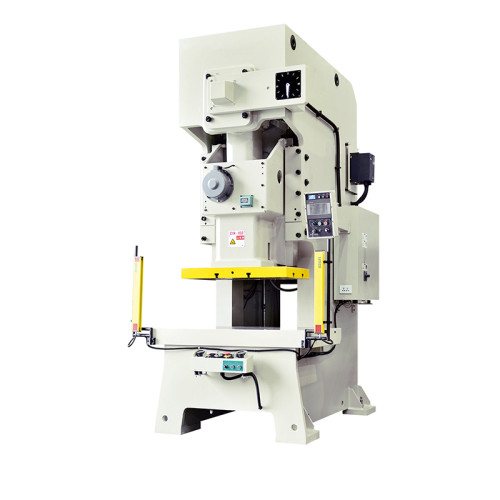
How to Improve Coil Feeding Accuracy with a Press Feeder Machine?
In modern metal stamping and automated manufacturing industries, coil feeding accuracy directly affects product quality, production efficiency, material utilization, and tooling lifespan. Whether producing automotive parts, electrical components, steel brackets, or precision stamped products, manufacturers rely heavily on the performance of the press feeder machine.
However, many factories still struggle with common feeding problems such as:
- * Inconsistent feeding length
- * Material deviation
- * Press synchronization errors
- * Coil slippage
- * Material scratching
- * Production instability
- * Excessive material waste
As competition in manufacturing continues increasing, production managers and factory owners are asking a critical question:
“How can coil feeding accuracy be improved effectively?”
The answer involves not only choosing the right press feeder machine, but also optimizing the entire coil handling system, automation synchronization, and production setup.
In this complete guide, we will explain:
- * What affects coil feeding accuracy
- * How press feeder machines improve precision
- * Why servo feeding technology matters
- * How decoilers and straighteners influence feeding stability
- * Common feeding problems and solutions
- * Maintenance tips for better feeding performance
- * Why global manufacturers choose FANTY automation systems
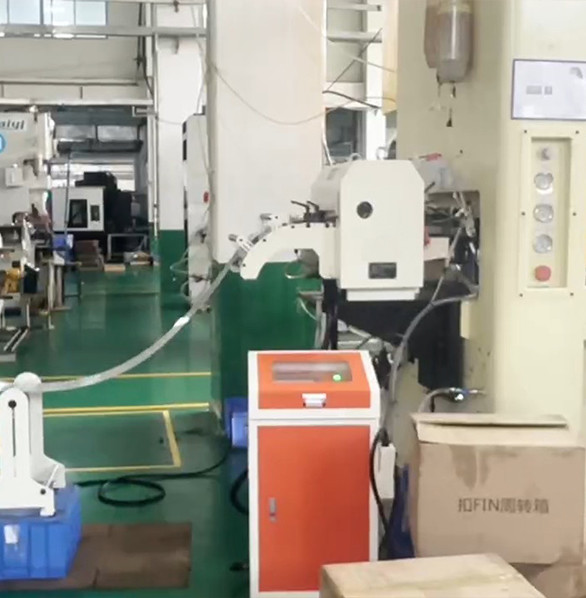
Why Is Coil Feeding Accuracy So Important?
In automated stamping and metal processing production lines, feeding accuracy determines whether material enters the press at the correct position and timing.
Even small feeding errors can create serious manufacturing problems, including:
- * Defective stamped parts
- * Die damage
- * Increased scrap rates
- * Production interruptions
- * Reduced production speed
- * Higher operating costs
High feeding precision helps manufacturers achieve:
| Benefit | Production Impact |
|---|---|
| Accurate Feeding Length | Improves product consistency |
| Reduced Material Waste | Improves material utilization |
| Stable Press Synchronization | Enhances production efficiency |
| Reduced Tool Wear | Extends die lifespan |
| Higher Production Speed | Increases manufacturing capacity |
In precision manufacturing industries, feeding accuracy is directly connected to profitability and long-term competitiveness.
What Factors Affect Coil Feeding Accuracy?
Many manufacturers assume feeding precision depends only on the feeder machine itself. In reality, feeding accuracy is influenced by the entire coil handling system.
1. Coil Material Quality
Material problems can seriously affect feeding consistency.
Common material-related issues include:
- * Uneven coil tension
- * Camber deformation
- * Surface oil contamination
- * Coil edge irregularities
- * Material thickness variation
Higher-quality coils generally produce more stable feeding performance.
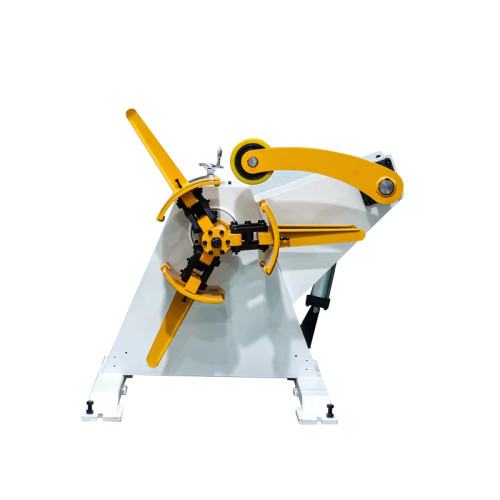
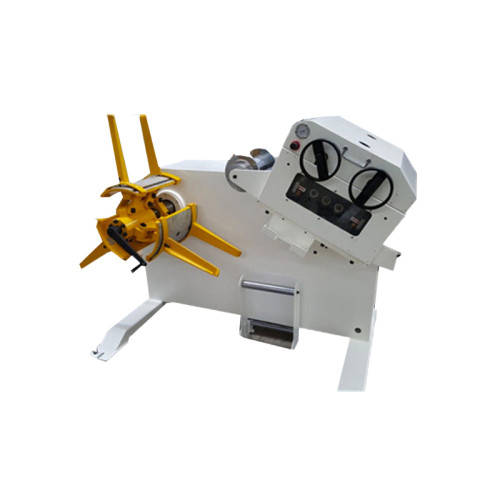
2. Decoiler Stability
The decoiler controls how smoothly the material is unwound.
Poor decoiler tension control may cause:
- * Material slack
- * Overfeeding
- * Coil jumping
- * Feeding instability
FANTY hydraulic decoiler systems are designed to maintain stable coil tension for precision feeding applications.
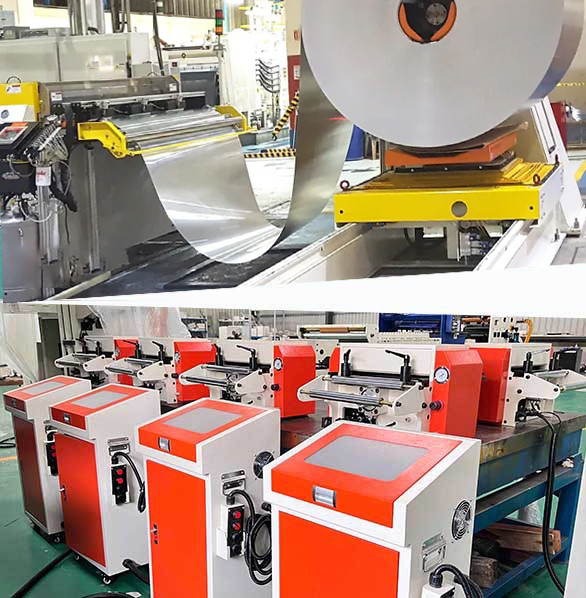
3. Straightener Performance
Coil memory and curvature can negatively affect feeding precision.
A straightening machine helps eliminate:
- * Coil set
- * Material curvature
- * Surface waviness
- * Feeding deviation
Integrated decoiler straightener feeder systems often provide the highest feeding accuracy.
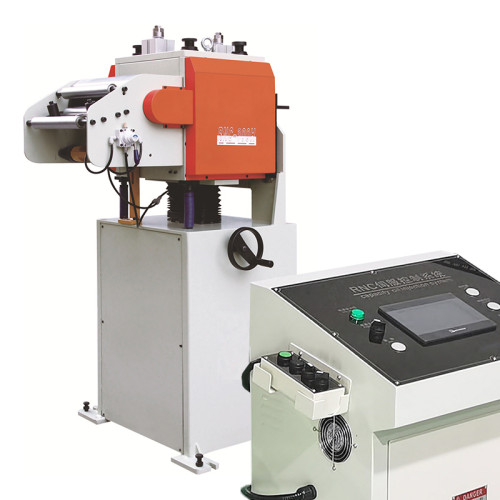
4. Servo Feeding System
Servo technology is one of the most important factors in modern feeding precision.
Servo feeders provide:
- * Programmable feeding lengths
- * High-speed synchronization
- * Precise positioning control
- * Stable acceleration and deceleration
Compared with traditional mechanical feeders, servo feeders deliver significantly better accuracy.
How Does a Press Feeder Machine Improve Feeding Accuracy?
Modern press feeder machines use advanced control technologies to maintain stable material movement.
Precision Servo Motor Control
Servo motors provide highly accurate positioning control for feeding operations.
Advantages include:
- * Fast response speed
- * High repeatability
- * Stable motion control
- * Programmable feeding settings
PLC Synchronization
PLC systems synchronize the feeder with the press machine to ensure accurate timing.
This reduces:
- * Press timing errors
- * Material misalignment
- * Production instability
Roller Feeding Stability
Precision feeding rollers improve material grip and movement stability.
High-quality roller systems help prevent:
- * Material slipping
- * Surface scratching
- * Feeding fluctuation
Best Ways to Improve Coil Feeding Accuracy
1. Use Servo Feeder Technology
Servo feeders are the industry standard for high-precision feeding applications.
Compared with pneumatic or mechanical systems, servo feeders provide much higher control accuracy.
2. Optimize Coil Tension Control
Stable tension between the decoiler and feeder is critical.
Loop control systems help maintain smooth material flow and reduce instability.
3. Improve Straightening Quality
Proper material straightening significantly improves feeding consistency.
Uneven or curved material often creates feeding deviation.
4. Maintain Feeding Rollers Properly
Worn or contaminated rollers may reduce feeding stability.
Regular maintenance helps ensure:
- * Stable roller pressure
- * Consistent material grip
- * Reduced surface damage
5. Calibrate Feeding Parameters
Regular parameter calibration helps maintain long-term feeding precision.
Important settings include:
- * Feeding length
- * Servo acceleration
- * Press synchronization timing
- * Roller pressure
Common Coil Feeding Problems and Solutions
| Problem | Possible Cause | Recommended Solution |
|---|---|---|
| Feeding Length Error | Servo calibration issue | Recalibrate feeding parameters |
| Material Slippage | Low roller pressure | Adjust feeding roller force |
| Surface Scratches | Damaged feeding rollers | Inspect and replace rollers |
| Material Deviation | Poor alignment | Adjust coil alignment system |
| Press Synchronization Error | PLC timing issue | Optimize control synchronization |
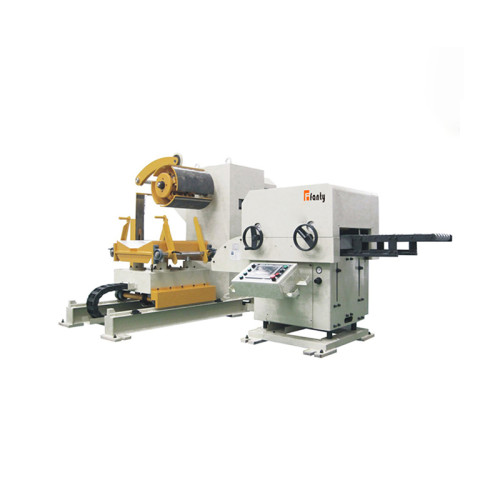
Why Integrated Decoiler Straightener Feeder Systems Perform Better
Modern integrated systems combine:
- * Decoiler
- * Straightener
- * Servo feeder
into one compact automated solution.
Advantages include:
- * Reduced floor space
- * Better feeding synchronization
- * Higher automation efficiency
- * Improved material control
- * Reduced setup time
- * Higher feeding accuracy
FANTY provides advanced integrated coil feeding systems designed for high-speed precision manufacturing.
How Preventive Maintenance Improves Feeding Precision
Even advanced feeding systems require regular maintenance.
Preventive maintenance helps maintain:
- * Servo performance
- * Roller condition
- * Electrical stability
- * Hydraulic pressure
- * Mechanical alignment
| Maintenance Task | Recommended Frequency |
|---|---|
| Roller Inspection | Daily |
| Servo Parameter Check | Weekly |
| Lubrication | Weekly |
| PLC Inspection | Monthly |
| Alignment Calibration | Monthly |
Why Manufacturers Worldwide Choose FANTY
FANTY is a professional manufacturer specializing in:
- * Press feeder machines
- * Servo feeder systems
- * Hydraulic decoilers
- * Coil straightening machines
- * Integrated decoiler straightener feeders
- * Stamping automation solutions
Unlike suppliers focused only on equipment pricing, FANTY emphasizes:
- * Long-term feeding precision
- * Stable automation performance
- * Industrial engineering optimization
- * Heavy-duty machine durability
- * Global technical support
Our engineering team helps customers improve:
- * Feeding accuracy
- * Production efficiency
- * Automation integration
- * Material utilization
- * Long-term production reliability
Learn more about FANTY here:
About FANTY – Professional Press Feeder Machine Manufacturer
Frequently Asked Questions (FAQ)
What is the best way to improve coil feeding accuracy?
* Using a high-precision servo feeder combined with stable decoiler tension control and proper straightening is one of the most effective solutions.
Why do feeding length errors happen?
* Common causes include servo calibration issues, material slippage, poor synchronization, or worn feeding rollers.
Do servo feeders provide better accuracy than mechanical feeders?
* Yes. Servo feeders offer programmable precision control and significantly higher repeatability.
Why is straightening important for feeding accuracy?
* Straightening removes coil memory and material curvature, helping stabilize material movement during feeding.
Does FANTY provide customized feeding automation systems?
* Yes. FANTY provides customized decoiler, straightener, and servo feeder integration solutions for different industrial applications.
Final Thoughts
Improving coil feeding accuracy is essential for achieving stable production, precision manufacturing, reduced material waste, and long-term profitability.
Modern servo press feeder systems combined with intelligent coil handling automation provide manufacturers with major advantages in today’s competitive manufacturing environment.
By optimizing servo synchronization, tension control, straightening quality, and preventive maintenance, factories can significantly improve feeding precision and production performance.
FANTY provides professional press feeder automation solutions designed for high-speed industrial manufacturing, precision feeding, and long-term production reliability.
Need help improving feeding accuracy for your production line?
Contact FANTY here today for professional consultation and customized coil feeding automation solutions tailored to your manufacturing requirements.