How to Get the Best Price on an NC Straightener Feeder?
Buying a stamping press line is one of the biggest capital decisions a metalworking shop makes, and the NC Straightener Feeder is often the most misunderstood line item in the quote.
Many buyers compare only the sticker price and later discover that a cheap 3-in-1 decoiler straightener feeder costs far more over its lifetime in downtime, rejects, and service calls.
This guide explains exactly what drives the price of an NC servo feeder system, how to compare quotes fairly, and how to negotiate a price that reflects real value instead of just the lowest number on the page.
FANTY Machinery, with 12 years of coil-feeding engineering experience and more than 200 production lines installed in 60+ countries, shares the same framework its own engineers use when quoting a complete line, so you can walk into any negotiation with confidence.
What Really Determines the Price of an NC Straightener Feeder?
Before you can negotiate, you have to understand what you are actually paying for.
The most important cost driver is the material thickness and width the machine must process. A unit rated for 2.0 mm mild steel with 400 mm width uses a much smaller servo motor and lighter frame than one rated for 6.0 mm high-tensile steel at 600 mm width.
Every kilogram of steel in the frame, every kilowatt of servo power, and every millimeter of roll diameter adds real cost, and honest suppliers price accordingly.
When you compare an NC Straightener Feeder quote, always verify that the rated capacity matches the worst-case material you actually run, not the average case.
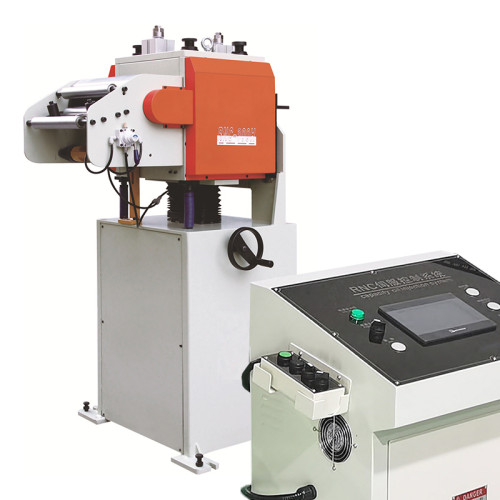
The second major driver is the control system. A modern NC servo feeder uses a PLC or a dedicated servo control card that communicates with the press via an encoder signal, and the sophistication of that system determines feed accuracy, repeatability, and how easily operators can change jobs.
Entry-level machines use simplified controllers with basic touch panels; premium units from suppliers like FANTY use closed-loop servo control that holds feeding accuracy to plus or minus 0.05 mm at speeds up to 200 strokes per minute.
That accuracy is not a luxury; it directly affects scrap rate and die life in progressive stamping.
Third, look at the straightening section. An NC Straightener Feeder with more straightening rolls, typically nine or eleven in the head, delivers flatter strip and fewer rejects, but each precision-ground roll, each bearing, and each adjustment mechanism adds manufacturing cost.
Cheap units may use seven rolls with softer shafts that flex under load, producing strip that still has residual curvature and causing progressive die problems.
The number of rolls, their diameter, and the material of the rollers are all legitimate price factors, and a supplier who cannot explain them probably cannot justify their number either.
Finally, the frame and build quality matter more than most buyers realize. Machines that process coils all day vibrate constantly, and a frame that flexes will gradually destroy feeding accuracy and straightening consistency.
Quality builders use stress-relieved welded frames, precision-machined mounting faces, and hardened guide ways. This is why a machine from a factory with 370 employees and an 80-plus-person R&D team, like FANTY, may cost more initially but holds its accuracy for years.
The cheapest machine on the market is often the most expensive one to own.
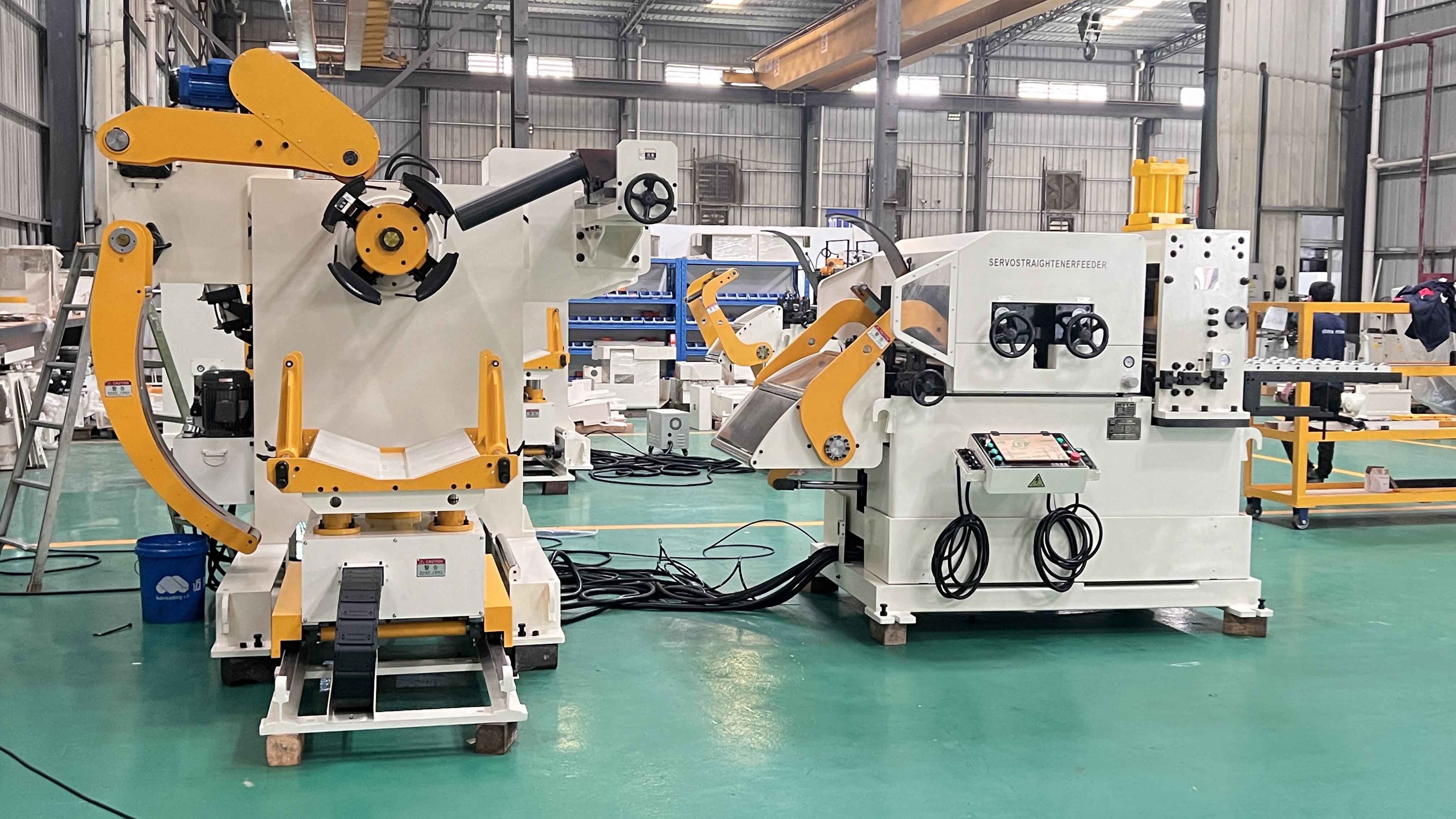
Every specification inside an NC Straightener Feeder quote affects its real value, not just its sticker price.
Typical Price Ranges by Configuration
To give you a practical baseline, the table below summarizes the typical price ranges for different configurations of coil-feeding equipment in the international market.
| Configuration | Typical Price Range (USD) | What You Get | Best For |
|---|---|---|---|
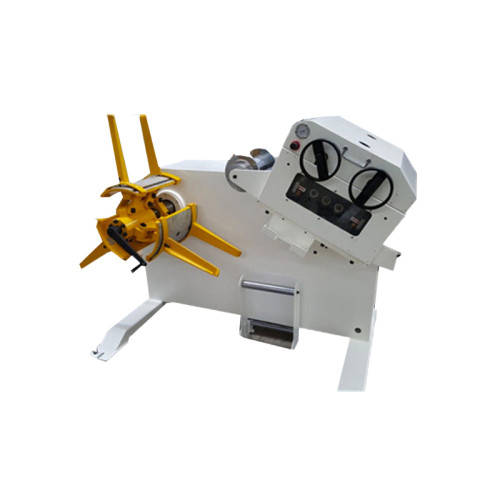
| Standalone Decoiler | $6,000 - $18,000 | Manual or hydraulic expansion, coil car optional | Shops with an existing straightener and feeder |
| Standalone NC Servo Feeder | $8,000 - $25,000 | Servo drive, encoder sync, touch control | Upgrading an existing press line |
| Decoiler + Straightener + Feeder (Separate Units) | $25,000 - $60,000 | Three units, more floor space, flexible layout | Large presses with heavy coils |
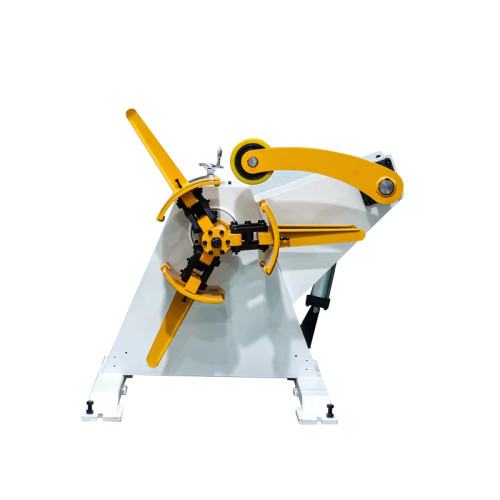
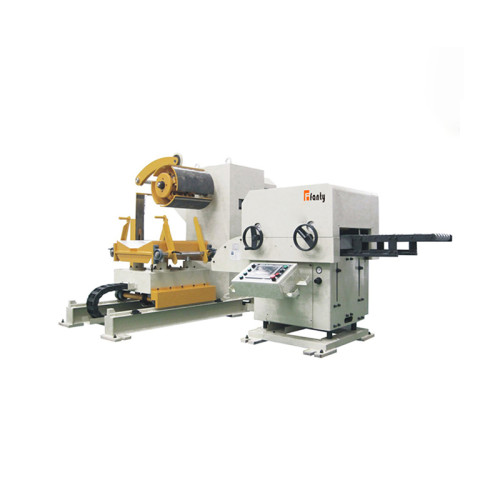
| 3-in-1 Decoiler Straightener Feeder | $18,000 - $45,000 | Integrated frame, compact footprint, faster setup | Medium press lines, most stamping shops |
| Heavy-Duty NC Straightener Feeder (High Tensile) | $45,000 - $120,000 | Bigger servos, more rolls, hardened rollers | High-tensile and thick material stamping |
Notice how wide the ranges are. A basic standalone feeder can cost less than a third of a heavy-duty integrated system, and that gap is legitimate. The mistake buyers make is assuming that within each category all quotes are comparable.
They are not, because rated capacity, control features, and build quality vary enormously. When a quote looks dramatically cheaper than the market range, ask what was removed to achieve that price: smaller servo, fewer straightening rolls, lighter frame, or a control system without encoder synchronization. There is no free lunch in coil-feeding equipment.
Also remember that the price of an NC Straightener Feeder is only part of the total investment. Installation, commissioning, training, tooling interfaces, and the cost of the downtime during changeover all belong in the total cost calculation.
FANTY advises customers to evaluate the complete cost of ownership over five years, which is why its sales engineers ask about your production plan, not just your current coil size, before quoting.
Hidden Costs That Cheaper Quotes Never Show You
The real cost of an NC Straightener Feeder is not the invoice; it is everything that happens after installation. Here are the hidden costs that show up in the first year of operation when you buy purely on price, and how to avoid them during the buying process.
- Feed accuracy drift: a weak servo or worn feeding rollers causes length variation that produces scrap, and scrap is pure lost margin. Ask for the guaranteed accuracy and the test method.
- Downtime for adjustment: cheap straightening heads need constant re-tuning.
Every hour of downtime at a modern press costs hundreds of dollars in lost production. - Spare part availability: some budget machines use non-standard rollers and bearings that take weeks to source. Standardized, documented parts save real money.
- After-sales support: a quote is only as good as the service behind it.
Confirm response time, spare-part stock, and whether remote diagnosis is included. - Installation and training: clarify whether commissioning and operator training are included or billed separately.
These often add 5-10 percent to the total.
Buyers who focus on these five areas usually find that a mid-priced NC Straightener Feeder from a supplier with real engineering depth, such as FANTY with its CE-certified machines and 45,000 square meters of manufacturing space, delivers a lower five-year cost than the cheapest option.
How to Compare Quotes Like a Procurement Expert
Comparing quotes for an NC Straightener Feeder is not about which column has the lowest total; it is about making the quotes comparable in the first place. The single most effective step is to write a detailed technical specification before you request quotes.
Next, build a scoring matrix. Give weight to the factors that matter in your operation: rated capacity match, feed accuracy, straightening quality, control system, build quality, spare parts, warranty, and support.
Score each quote against the specification, then divide the price by the score to get a value-per-point figure. This sounds formal, but it takes about an hour and prevents the classic mistake of buying the cheapest machine that only barely meets your minimum requirements, leaving no margin for growth.
Ask every supplier the same set of technical questions. What is the guaranteed feed accuracy and at what speed? How many straightening rolls are in the head? What servo motor and controller brand are used? What is the frame construction? Is the machine CE certified? How long is the warranty and what does it cover?
What is the delivery time? A supplier who answers clearly and with data, like FANTY's engineers who publish their production capacity of 200+ installed lines and 370-person workforce, is signaling confidence in the product. A supplier who deflects or promises vague performance is signaling the opposite.
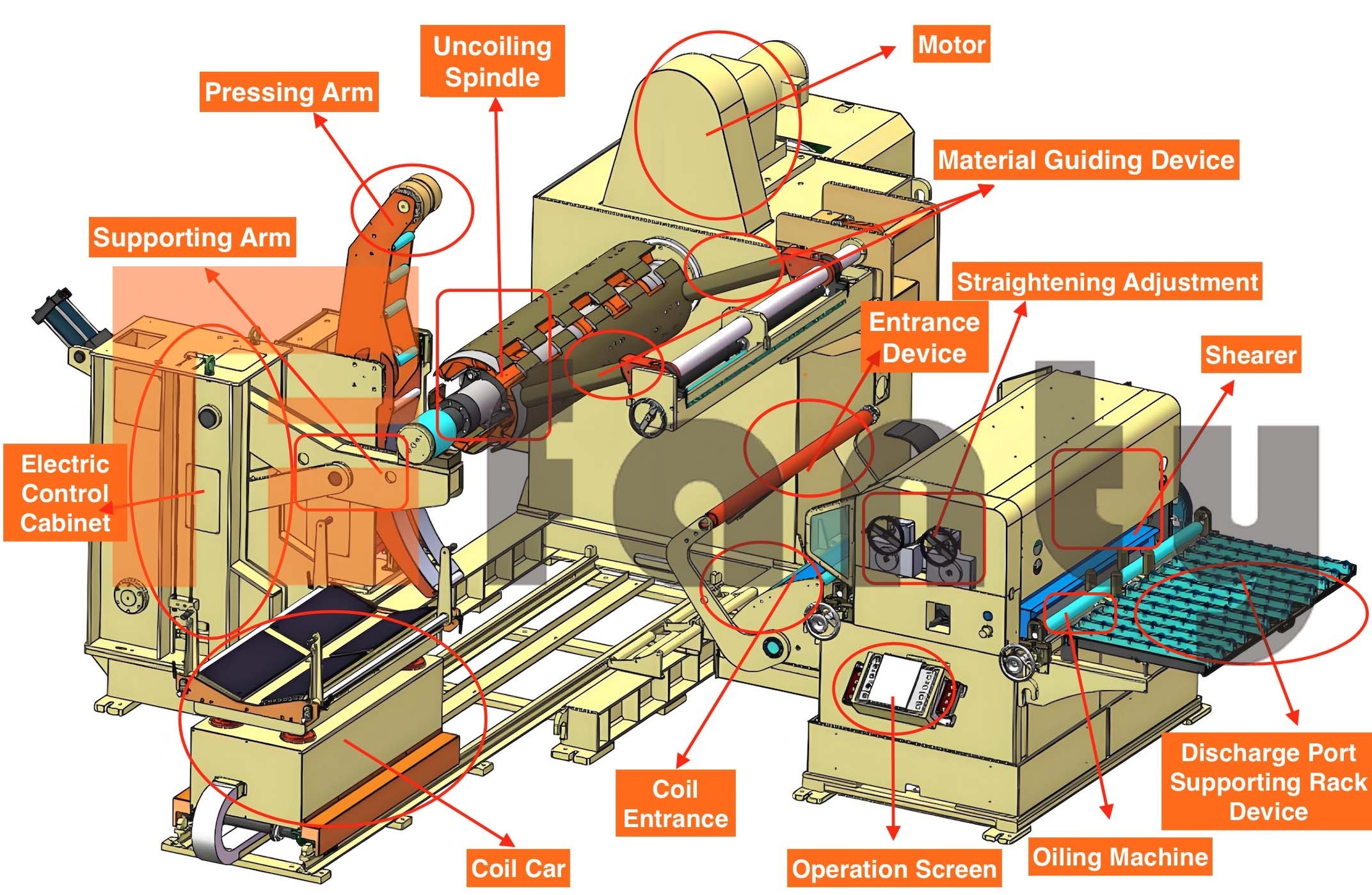
A structured comparison of quotes for an NC Straightener Feeder prevents costly buying mistakes.
Negotiation Tactics That Actually Work
Negotiating the price of an NC Straightener Feeder is different from negotiating for commodity goods, because the supplier knows the machine will run for a decade and the relationship will continue. Use that leverage wisely. Here are proven tactics used by professional buyers in the stamping industry.
First, negotiate the package, not the machine. Instead of asking for a percentage off the base price, ask what the supplier can include at the same total: an extra set of feeding rollers, a spare control card, extended warranty, or free commissioning.
These items have low marginal cost to a manufacturer and high value to you. FANTY, for example, often bundles operator training and a spare-parts kit with its integrated 3-in-1 decoiler straightener feeder packages, which improves the real value of the deal without changing the headline price much.
Second, be transparent about your timeline and alternatives. Suppliers price partly on urgency and partly on perceived competition. If you are comparing three serious quotes, say so politely.
A manufacturer that wants the order will sharpen its terms, and one that does not respond is telling you what post-sales service will look like. Timing matters too: quoting during industry trade-show seasons or when the factory has open production slots can yield better delivery terms.
Third, negotiate payment terms and delivery, not just price. Staggered payments tied to milestones, such as deposit on order, balance on factory acceptance, and final payment after commissioning, protect both sides and often unlock a better price than a cash discount would.
Freight and insurance terms, port of loading, and packaging for sea freight are all negotiable and can shift thousands of dollars in your favor.
Fourth, ask for a factory acceptance test or video test before shipment. A supplier confident in its machine will welcome this.
Watching your actual coil sizes run through the machine, or a live video test of feeding accuracy, gives you negotiating power and, more importantly, confirms the machine meets the specification you paid for.
At FANTY, customers can review test reports showing feeding accuracy held to plus or minus 0.05 mm, and this transparency is a standard part of the buying process.
Finally, put everything in writing. The final price is only the beginning of the contract; the specification, warranty terms, spare parts commitment, delivery date, and service response time all belong in the purchase agreement.
A verbal promise about a cheaper price is worth nothing if the machine that arrives does not match the specification. Professional suppliers expect this and will not object to a clear, written agreement.
Frequently Asked Questions About NC Straightener Feeder Pricing
Why do NC Straightener Feeder prices vary so much between suppliers?
Because machines that appear similar on paper differ in frame rigidity, servo motor and controller quality, straightening roll count and hardness, feeding roller materials, and after-sales support. Capacity ratings also differ in how they are measured. Compare machines against the same written specification before judging the price.
Is a used NC Straightener Feeder a good way to save money?
A used machine can be a good deal if you can verify its condition, remaining accuracy, spare-part availability, and the supplier's ability to commission it. However, the savings are often reduced by installation, re-commissioning, and potential rebuild costs. For critical high-speed lines, many buyers prefer a new machine with a warranty.
What is the typical delivery time for a 3-in-1 decoiler straightener feeder?
Standard machines from established manufacturers are usually delivered within 30 to 60 days, while custom heavy-duty units may take 60 to 90 days depending on configuration. Confirm the delivery date in writing and plan your press-line installation around it.
Should I buy the cheapest NC Straightener Feeder I can find?
Rarely. Feed accuracy, straightening quality, and reliability directly affect scrap rate, die life, and uptime. The cheapest machine often costs more within the first two years through rejects and downtime. Evaluate total cost of ownership over five years instead of comparing invoice prices only.
Related reading
- how much floor space a coil line needs
- how to select the right model
- what each specification line really costs
Part of the the coil line guide library — the full library of coil handling, straightening and feeding guides from FANTY.
Ready to get a fair, specification-based quote for your stamping line?
FANTY Machinery's engineers will review your material, press, and production targets, then provide a transparent quotation for an NC Straightener Feeder matched to your exact needs, backed by 12 years of experience and CE-certified quality.
Get Your Custom Quote Today