How Much Lead Time Does a Straightener Feeder Order Need?
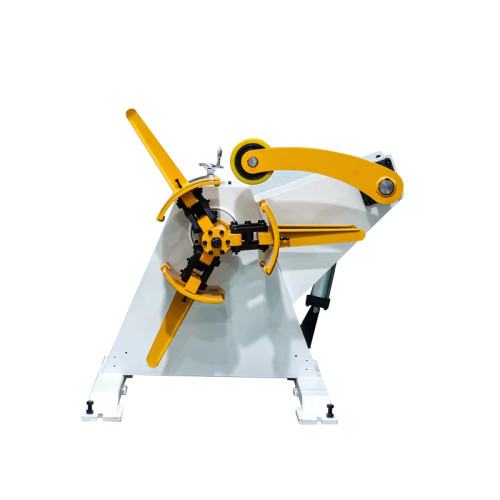
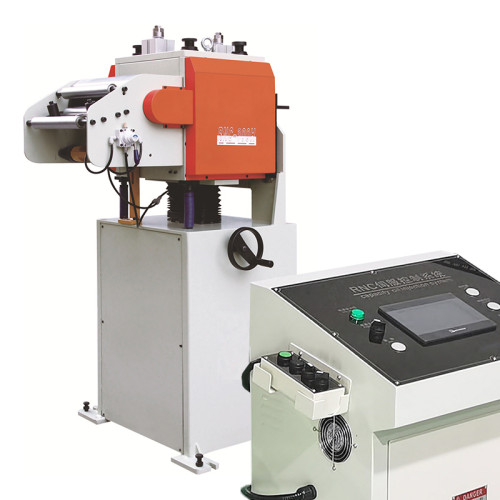
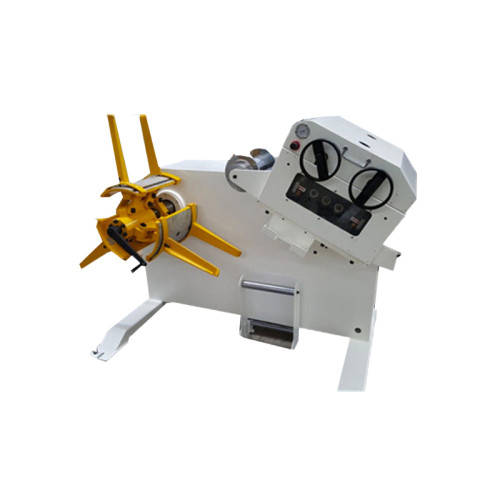
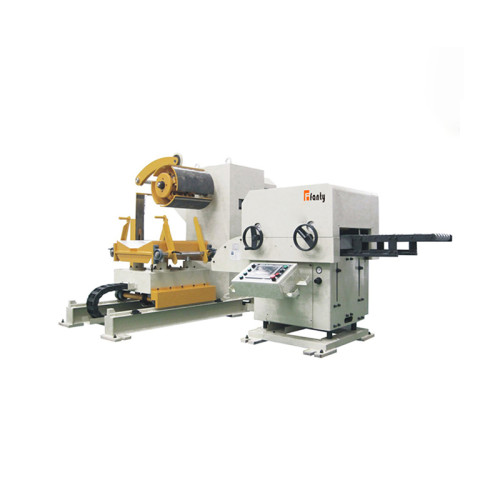
A buyer asked us to ship a standard 1,300 mm NC straightener feeder in eleven weeks. The machine was ordinary — 7-roll straightener, 5-tonne uncoiler, servo feed.
We quoted fourteen weeks and spent the call explaining the gap.
Two of those three extra weeks were not build time at all. They were drawing approvals, a freight slot and a witness test that nobody had put in the plan.
This article breaks an order into the blocks that actually consume a calendar, so you can see which weeks can be bought back and which ones only look compressible.

The number most suppliers quote is a build window, not a delivery date. Those are different promises and they start on different days.
Build time begins when the drawings are approved and the deposit clears. It does not begin when the purchase order is issued.
That single distinction explains most of the arguments we see at month three.
The Quote Is a Build Window, Not a Delivery Date
When a supplier says twelve weeks, ask what event starts the clock. The answer changes the real date by a month.
A clock that starts at the purchase order assumes drawings are already approved. A clock that starts at approval is the honest version.
Ask for the ship date in the quotation, not the lead time. A date can be checked against a calendar; a duration cannot.
Then check that the date and the duration agree. Quotations that show twelve weeks and a date nineteen weeks out are telling you something.
Six Blocks That Consume the Calendar
An order does not move through one queue. It moves through six, and four of them are outside the machine builder's control.
- Drawing and electrical approval. One to three weeks, and the block most often left unowned.
- Material and castings. Three to six weeks for frames, gearboxes and heavy weldments.
- Machining and fabrication. Four to eight weeks, and the block that responds best to parallel loading.
- Assembly, wiring and run-in. Two to three weeks, including the hours spent chasing a hydraulic leak.
- Freight and customs. Four to seven weeks by sea, plus three to seven days of clearance.
- Install and commissioning. One to two weeks on site, longer if the foundation is not ready.
Add the blocks in series and you get fifteen to twenty-nine weeks. Overlap them properly and twelve to twenty is realistic.
A Worked Budget for a 1,300 mm Line
The table below is a real budget for a mid-size three-in-one machine, quoted in weeks and honest about the cost of rushing each block.
| Block | Typical Duration | Where Compressing It Costs You |
|---|---|---|
| Drawing and electrical approval | 1–3 weeks | Late or fragmented approval shifts the whole build; re-approval after machining starts is a rework charge |
| Material and castings | 3–6 weeks | A casting queue buys days with priority payment, not weeks; gearboxes are a bought-in item with their own calendar |
| Machining and fabrication | 4–8 weeks | Splitting the job across two shops adds transport and doubles the dimensional risk |
| Assembly and run-in | 2–3 weeks | Skipping run-in hours moves debugging to your floor, at your labour rate and your downtime |
| Freight and customs | 4–7 weeks | A three-tonne machine cannot fly; only spares can, and a wrong HS code can hold the container for a week |
| Install and commissioning | 1–2 weeks | Rushing commissioning means running production before the acceptance test is signed |
Read the table as a budget, not a schedule. Every block you shorten has to be paid for somewhere, and the third column says where.
Which Blocks Compress and Which Only Move the Risk
Three of the six blocks genuinely respond to pressure. Three do not, and pretending otherwise is how a fourteen-week order becomes a twenty-week one.
- Compressible: parallel machining of sub-assemblies, a pre-booked freight slot, and releasing drawings in two packages instead of one.
- Not compressible: casting lead time, an imported gearbox, sea transit, and CE documentation on the electrical package.
- Looks compressible but is not: commissioning. A line can be powered in three days, but it cannot be accepted in three days.
The overlap between blocks is where the real gain sits. Machining can start on the frame while the control panel drawing is still in review.
That is a scheduling decision, not a payment decision. It costs planning effort rather than money.
The Approval Loop Is Where Schedules Actually Slip
Across our order book, the largest single variance is not machining. It is how long the buyer takes to return marked-up drawings.
Two to five rounds of comments is normal on a coil line. At three to seven days a round, that is three weeks of the calendar gone before a single part is cut.
Freeze the electrical standard early: supply voltage, control voltage, PLC platform, safety relay type and the fieldbus you want.
A late change from 400 V / 50 Hz to 480 V / 60 Hz re-opens the panel design, the component order and the CE file at once.
Name one approver on each side. Orders that stall usually have a committee on one end and a salesperson on the other.
Approval rounds are also where scope grows. A request to add a coil car, change the mandrel or upgrade the control arrives late and re-opens the schedule.
Collect those additions into one change order before assembly starts. A change made after wiring begins costs both money and weeks.
What a Lead-Time Table Cannot Promise
A schedule built on typical durations is a planning tool. It is not a guarantee, and it misleads in four specific places.
It cannot promise a date while the drawings are still moving. A table that starts on the purchase order date is fiction if approval takes another month.
It cannot promise customs clearance. Three to seven days is normal with the right HS code. A misclassified coil handling machine can sit for two weeks.
It cannot promise the witness test. If the buyer's inspector is not booked two weeks ahead, the machine waits in the assembly bay.
It cannot promise site readiness. Commissioning starts when the foundation is cured, the power is pulled and the crane is available — not when the crate lands.
Anyone quoting a single firm number without those four qualifiers is quoting a number they cannot control.
Terms That Keep the Schedule Enforceable
A penalty clause is only useful if the clock starts at a milestone you control. Five terms do most of the work.
Start the build clock on the approval date, not the order date. Ask for a schedule with named milestones and a named owner for each.
Agree the witness test window in writing before assembly begins. Tie the balance payment to the factory acceptance test rather than to arrival at your dock.
Keep two to four weeks of float between the contracted ship date and the date you actually need strip running. On a first order, that float is the cheapest insurance in the contract.
Ship consumables with the machine. A spare set of feed rolls, a hydraulic filter kit and a copy of the electrical drawings in the crate save a two-week air freight later.
Book the commissioning crew before the container sails, not after it lands. The people who built the machine are the fastest route to a signed acceptance test.
If you are still weighing machine cost against those weeks, our coil line product index lists the standard configurations and their build classes.
How many weeks does a 1,300 mm NC straightener feeder take to build?
Ten to sixteen weeks is typical for a standard three-in-one once drawings are approved. Add four to seven weeks for sea freight and clearance, so twelve to twenty weeks door to door.
Does air-freighting a spare gearbox save more than 10 days?
Usually yes. Sea freight on a 90 kg gearbox runs four to six weeks; air freight lands it in three to five days. For a 3-tonne frame, air freight is not a real option at any price.
At what order value is a 16-week build worth waiting for over a 10-week one?
Once the coil line sits behind a single product line, a rushed machine that arrives incomplete costs more than six weeks of waiting. We see that break around the point where one machine feeds two shifts.
How long does customs clearance add to a 3-tonne machine?
Three to seven days with a correct HS code and complete CE documentation. Budget up to two weeks if the electrical file or the wood packaging certificate is missing.
Can commissioning be compressed from 10 days to 3?
No. Power-up and jogging can be done in three days, but the acceptance run at production speed, the flatness check and the operator handover need the full window.
Where to go next
This article sits in the buying branch of the coil line guide library, one layer below the specification-and-cost pillar. It maps the calendar rather than the money.
Read the specification cost guide