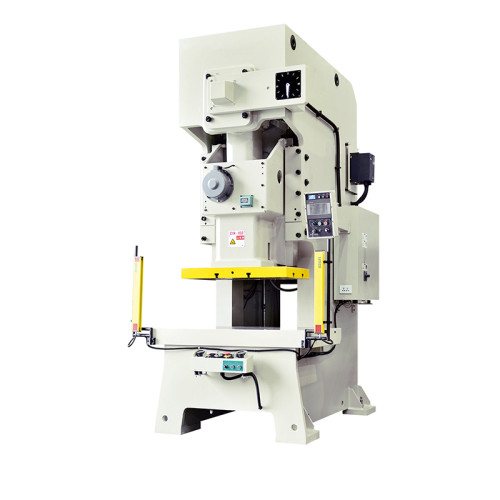
How Does a Decoiler Machine Work in Modern Manufacturing Lines?
In today’s highly automated manufacturing industry, production efficiency depends heavily on stable and precise material handling systems. One essential machine used in metal processing lines is the decoiler machine.
Whether in automotive stamping, roll forming, HVAC production, appliance manufacturing, or steel fabrication, decoiler machines play a critical role in ensuring smooth and continuous coil feeding.
However, many buyers, factory managers, and even new engineers still ask one important question:
“How does a decoiler machine actually work?”
Understanding the working principle of a decoiler machine is extremely important because it helps manufacturers:
- * Improve production efficiency
- * Reduce material waste
- * Choose the correct equipment
- * Reduce downtime
- * Optimize automation systems
- * Increase long-term ROI
In this complete guide, we will explain:
- * What a decoiler machine is
- * How a decoiler works step-by-step
- * Main components of a decoiler system
- * Different types of decoiler machines
- * Applications in modern factories
- * Advantages of automatic decoilers
- * How FANTY helps optimize coil feeding systems
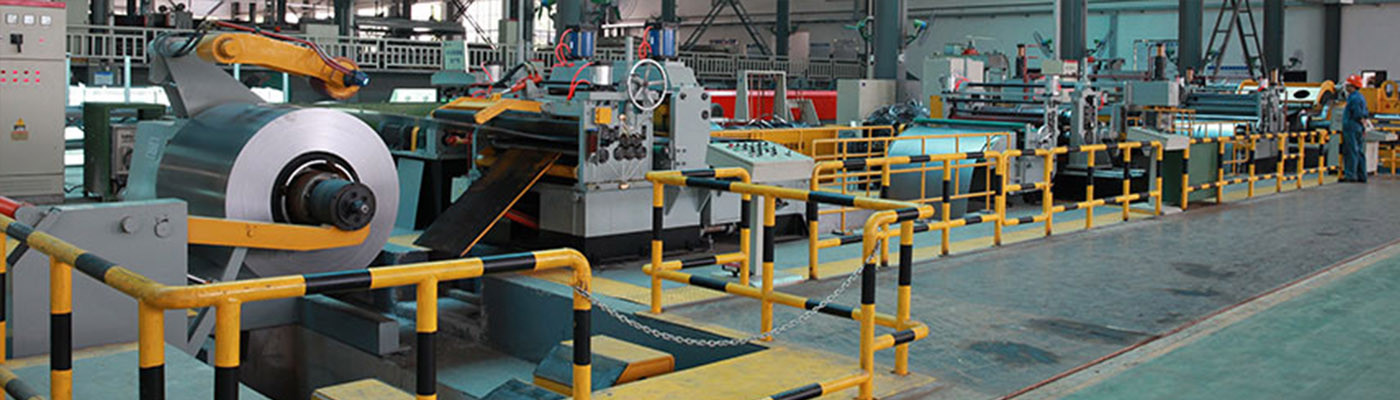
What Is a Decoiler Machine?
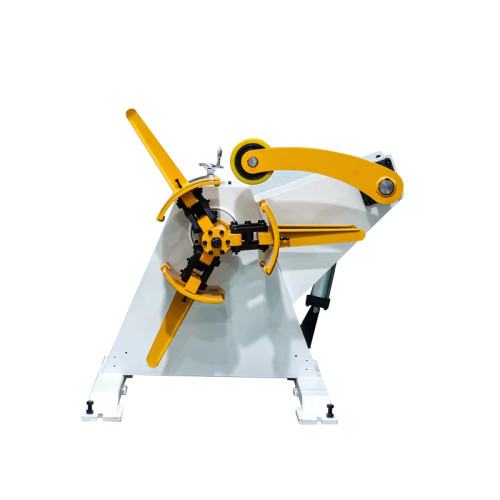
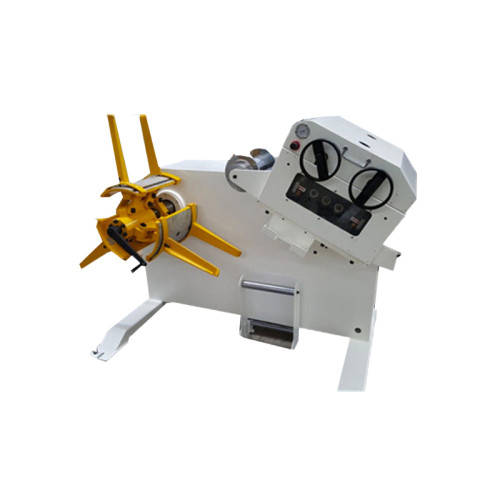
A decoiler machine, also called an uncoiler, is industrial equipment used to hold, unwind, and feed metal coils into downstream production machinery.
The primary function of a decoiler is to release coiled material smoothly and continuously during manufacturing operations.
These machines are commonly used for processing:
- * Steel coils
- * Stainless steel
- * Aluminum coils
- * Copper strips
- * Galvanized sheets
- * Pre-painted metal coils
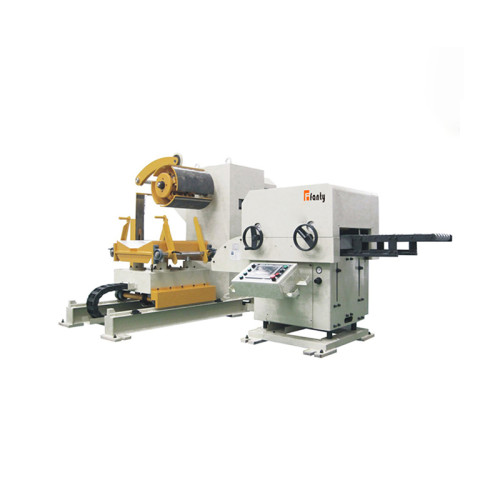
In modern production environments, decoilers are often integrated with:
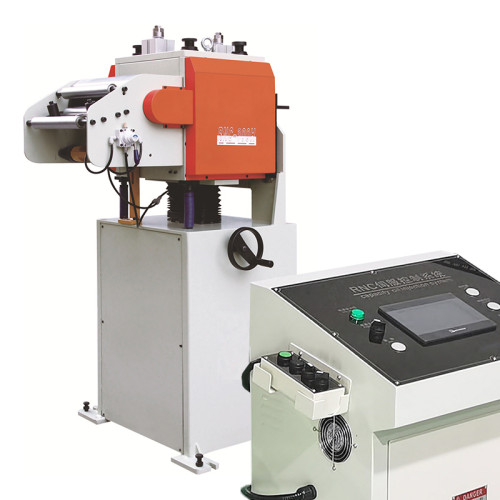
- * Straightening machines
- * Servo feeders
- * Stamping presses
- * Roll forming machines
- * Laser cutting systems
- * Robotic automation systems
Without a reliable decoiler system, stable automated production would be almost impossible.
How Does a Decoiler Machine Work?
The working principle of a decoiler machine is relatively simple in concept but highly important in industrial automation.
The machine holds a steel coil on an expandable mandrel and gradually unwinds the material while synchronizing feeding speed with downstream production equipment.
Below is a step-by-step explanation of how a decoiler machine works.
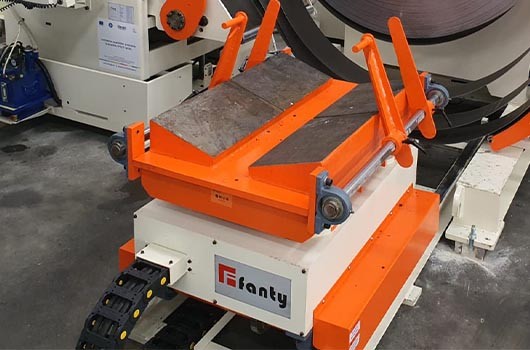
Step 1: Loading the Steel Coil
The process begins by loading a steel coil onto the decoiler machine.
Depending on the machine type, coil loading may be performed using:
- * Forklifts
- * Overhead cranes
- * Hydraulic loading cars
- * Automatic loading systems
Heavy-duty hydraulic decoilers often include coil cars that simplify loading and improve workplace safety.
The coil is positioned onto the mandrel at the center of the decoiler.
Step 2: Mandrel Expansion
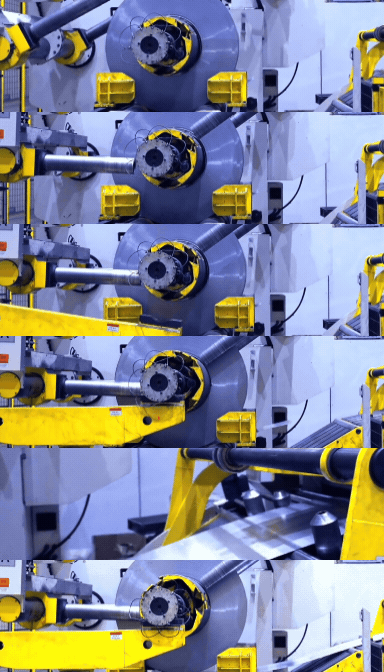
After the coil is loaded, the mandrel expands outward to grip the inner diameter of the steel coil securely.
Mandrel expansion methods vary depending on machine design:
- * Mechanical expansion
- * Hydraulic expansion
- * Pneumatic expansion
Hydraulic expansion systems are commonly used in modern automatic decoilers because they provide:
- * Stronger gripping force
- * Stable coil positioning
- * Improved safety
- * Higher automation efficiency
Proper coil gripping is critical because unstable coils can create feeding problems and serious safety risks.
Step 3: Coil Unwinding Process
Once the coil is secured, the decoiler begins unwinding the material gradually.
The machine rotates the coil at controlled speed while maintaining stable tension.
The unwinding process must stay synchronized with downstream machines such as:
- * Servo feeders
- * Straighteners
- * Punch presses
- * Roll forming systems
If feeding speed becomes unstable, problems may occur including:
- * Material slippage
- * Surface scratching
- * Feeding inaccuracies
- * Production downtime
Modern automatic decoiler systems use sensors and PLC controls to maintain precise synchronization throughout the process.
Step 4: Tension Control
Tension control is one of the most important functions of a decoiler machine.
Too much tension may deform the material, while insufficient tension may cause coil loosening or unstable feeding.
Modern decoilers use:
- * Brake systems
- * Tension arms
- * Sensor feedback systems
- * Servo motor synchronization
These systems ensure smooth and stable material flow during production.
At FANTY, automatic tension control technology is carefully optimized for high-speed industrial applications.
Step 5: Material Feeding into Production Equipment
After unwinding, the material moves into downstream equipment for further processing.
Typical downstream equipment includes:
- * Stamping presses
- * Laser cutting machines
- * Roll forming machines
- * Leveling machines
- * Punching systems
In automated production lines, precise feeding synchronization is essential to maintain:
- * Production accuracy
- * High-speed operation
- * Consistent product quality
- * Reduced material waste
This is why integrated decoiler feeder systems are increasingly popular in modern factories.
Main Components of a Decoiler Machine
Understanding the main machine components helps explain how decoiler systems operate efficiently.
Mandrel
The mandrel holds and expands inside the steel coil.
It is one of the most critical structural components of the machine.
Hydraulic System
Hydraulic systems power:
- * Mandrel expansion
- * Pressing arms
- * Loading cars
- * Coil positioning systems
Motor Drive System
The motor controls coil rotation speed and feeding synchronization.
Modern systems often use servo motors for higher precision.
Brake System
The brake system controls tension during unwinding and prevents excessive coil rotation.
PLC Control System
PLC controllers coordinate machine operations and improve automation efficiency.
Advanced PLC systems support:
- * Automatic speed adjustment
- * Sensor integration
- * Safety monitoring
- * Error diagnostics
Types of Decoiler Machines
Manual Decoiler
Manual decoilers are simple low-cost machines suitable for lightweight coils and small workshops.
Motorized Decoiler
Motorized systems improve feeding consistency and reduce operator workload.
Hydraulic Decoiler
Hydraulic decoilers are designed for heavy coil handling and automated production environments.
Automatic Servo Decoiler
Servo-driven automatic decoilers provide high-precision feeding for modern smart factories.
FANTY specializes in customized automatic hydraulic decoiler systems designed for industrial automation applications worldwide.
Advantages of Automatic Decoiler Machines
Modern factories increasingly choose automatic decoilers because they offer major operational advantages.
Higher Production Efficiency
Automatic systems reduce manual intervention and maintain stable feeding speed.
Improved Feeding Accuracy
Servo synchronization improves precision during high-speed production.
Reduced Labor Costs
Automation reduces dependency on manual operators.
Enhanced Safety
Automatic systems reduce direct worker contact with heavy steel coils.
Better Material Protection
Stable feeding minimizes material scratches and deformation.
Why Manufacturers Worldwide Choose FANTY
FANTY is a professional manufacturer specializing in:
- * Decoiler machines
- * Servo feeder systems
- * Coil straightening machines
- * Hydraulic decoilers
- * Stamping automation solutions
- * Customized coil handling systems
Unlike low-cost suppliers that only focus on price, FANTY prioritizes:
- * Long-term machine reliability
- * Production stability
- * Industrial automation performance
- * Customized engineering solutions
- * Global technical support
Our engineering team works closely with customers to analyze:
- * Coil specifications
- * Production speed
- * Material thickness
- * Factory layout
- * Future automation expansion plans
This engineering-focused approach helps manufacturers optimize long-term production efficiency.
Learn more about FANTY here:
About FANTY – Professional Decoiler Machine Manufacturer
Frequently Asked Questions (FAQ)
What is the purpose of a decoiler machine?
A decoiler machine holds and unwinds steel coils for continuous feeding into production equipment.
How does a hydraulic decoiler work?
Hydraulic decoilers use hydraulic systems to expand the mandrel and securely hold heavy steel coils during unwinding.
Why is tension control important?
Proper tension control prevents material deformation, feeding instability, and production errors.
What industries use decoiler machines?
Industries including automotive, roll forming, HVAC, appliance manufacturing, and metal stamping widely use decoiler systems.
Does FANTY provide customized decoiler solutions?
Yes. FANTY provides customized automatic decoiler and coil feeding systems designed for different industrial production requirements.
Final Thoughts
A decoiler machine is one of the most important pieces of equipment in modern coil processing lines. Its job may seem simple—unwinding steel coils—but stable feeding directly affects production efficiency, material quality, automation performance, and factory profitability.
Understanding how a decoiler machine works helps manufacturers make smarter equipment decisions and improve long-term production stability.
As global manufacturing continues moving toward automation and Industry 4.0, automatic decoiler systems will become even more essential for competitive factories.
FANTY provides professional decoiler solutions designed for modern industrial automation, precision feeding, and long-term reliability.
Need help selecting the right decoiler machine for your production line?
Contact FANTY here today for professional technical consultation and customized coil handling solutions tailored to your factory needs.