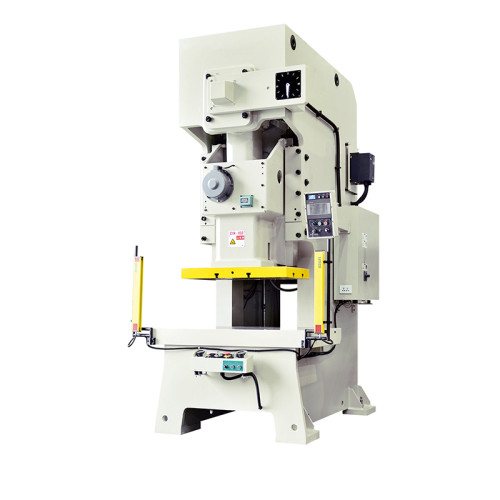
How Are Decoiler Machines Used in Metal Stamping Lines? Complete 2026 Industrial Guide
In modern manufacturing, efficiency and precision are everything. One of the most critical yet often overlooked components in a metal stamping line is the decoiler machine. Without it, continuous production using steel coils would be nearly impossible.
But how exactly are decoiler machines used in metal stamping lines? And why are they essential for manufacturers aiming to improve productivity and reduce labor costs?
This comprehensive guide will walk you through real industrial applications, system configurations, and expert insights based on years of experience from FANTY, a leading provider of coil handling and stamping automation solutions.
What Is a Decoiler Machine?
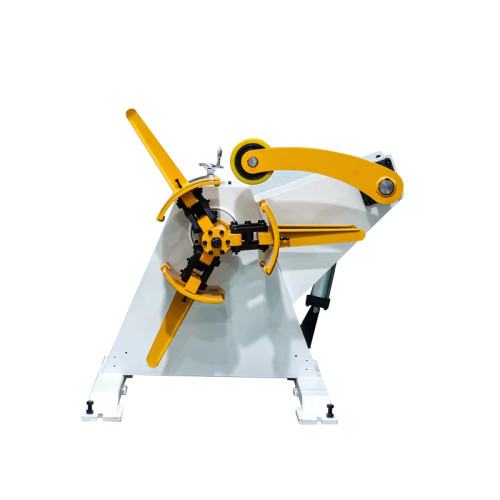
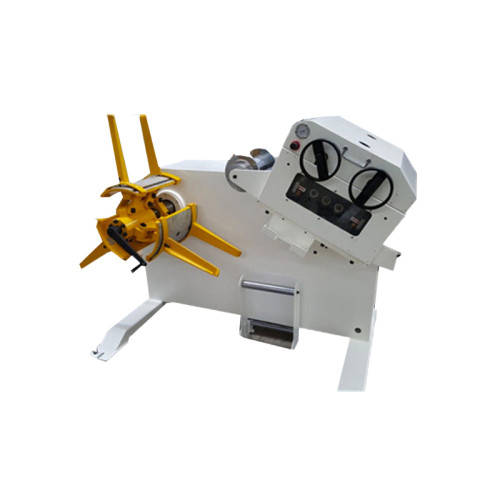
A decoiler machine is a piece of industrial equipment designed to unwind metal coils and feed them into downstream machines such as straighteners, feeders, and presses. It plays a foundational role in automated production lines.
Instead of manually handling heavy steel coils, manufacturers rely on decoilers to ensure smooth, continuous material feeding.
Core Functions:
- Uncoiling metal strips
- Maintaining consistent tension
- Feeding material into the production line
- Supporting high-speed automation
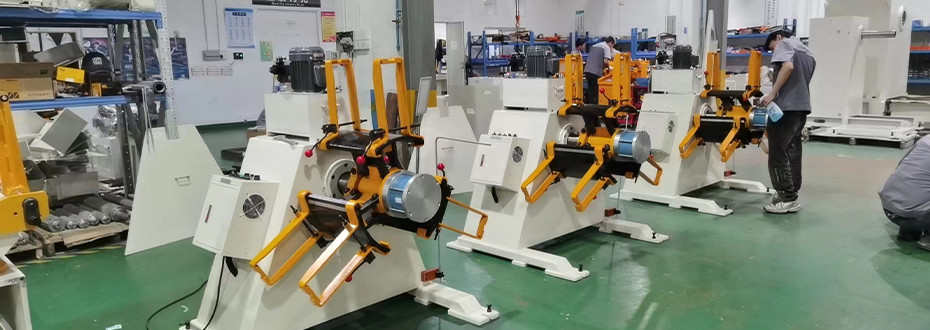
How Are Decoiler Machines Used in Metal Stamping Lines?
In a typical metal stamping line, the decoiler is the starting point of the entire process. Its role is to supply raw material consistently and reliably.
Step-by-Step Workflow
- Coil Loading – Steel coils are mounted onto the decoiler mandrel.
- Uncoiling – The machine unwinds the coil gradually.
- Tension Control – Ensures smooth feeding without slack or deformation.
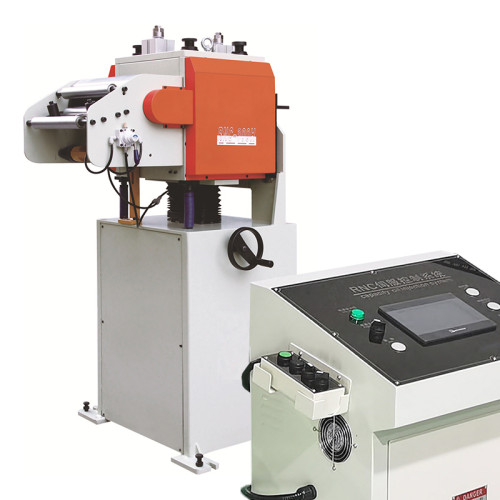
- Feeding into Straightener – Material is flattened for precision.
- Servo Feeding – Accurate length control before stamping.
- Stamping Process – Press machine shapes the metal.
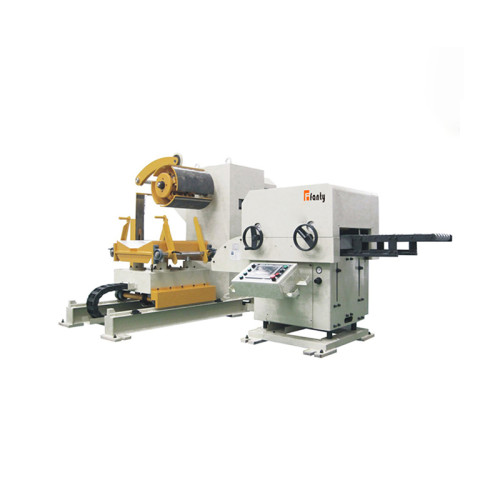
This seamless integration allows manufacturers to run high-speed, continuous production lines with minimal downtime.
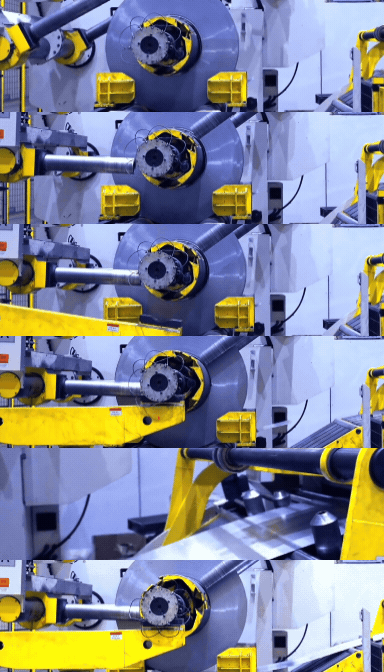
Key Applications of Decoiler Machines
Decoiler machines are widely used across industries that rely on metal forming and stamping.
- Automotive parts manufacturing
- Appliance production
- Electronics components
- Construction materials
- Battery etc.
At FANTY, we have supplied customized decoiler systems for clients in over 30 countries, particularly in automotive and heavy machinery sectors.
Types of Decoiler Machines Used in Stamping Lines
1. Manual Decoiler
Best for small-scale operations with low production demands.
2. Motorized Decoiler
Offers improved efficiency and reduced labor.
3. Hydraulic Decoiler
Handles heavy coils with high precision and stability.
4. Double Head Decoiler
Allows continuous operation by switching coils without stopping production.
FANTY specializes in high-performance automatic hydraulic decoiler systems designed for demanding industrial environments.

Why Decoiler Machines Are Critical in Metal Stamping
1. Increased Production Efficiency
Automated feeding eliminates manual handling and reduces cycle time.
2. Improved Material Utilization
Precise control minimizes waste and improves yield.
3. Enhanced Safety
Handling heavy coils manually is dangerous. Decoilers significantly reduce workplace risks.
4. Consistent Quality
Stable feeding ensures uniform stamping results.
These advantages directly translate into higher ROI and faster payback periods.
How FANTY Enhances Metal Stamping Lines
At FANTY, we go beyond supplying machines—we provide complete coil handling solutions tailored to your production needs.
According to our official introduction, FANTY has evolved from a small workshop into a global manufacturer specializing in:
- Decoilers and straighteners
- Servo feeders
- Stamping automation lines
- Custom coil processing systems
What makes FANTY different?
- Engineering-first approach
- Custom solution design
- Global service support
- Proven industrial experience
We don’t just quote machines—we ensure the system works perfectly in your factory.
Common Problems and Solutions
Problem 1: Coil Slippage
Solution: Use hydraulic expansion mandrels for better grip.
Problem 2: Material Deformation
Solution: Integrate a precision straightener.
Problem 3: Line Downtime
Solution: Upgrade to double-head decoilers.
Problem 4: Inconsistent Feeding
Solution: Use servo-controlled feeding systems.
How to Choose the Right Decoiler Machine?
Choosing the right decoiler depends on several factors:
- Coil weight
- Material thickness
- Coil width
- Production speed
- Automation level
FANTY engineers typically recommend a customized solution after analyzing your production requirements.
Future Trends in Decoiler Technology
The future of decoiler machines is closely tied to smart manufacturing:
- AI-driven automation
- IoT-enabled monitoring
- Energy-efficient systems
- Fully integrated production lines
FANTY is actively investing in intelligent stamping solutions to help clients stay ahead of industry trends.
Conclusion
So, how are decoiler machines used in metal stamping lines?
They are the backbone of efficient, automated production—ensuring continuous material flow, improving quality, and reducing operational costs.
If you're looking to upgrade your stamping line or improve productivity, investing in a high-quality decoiler system is no longer optional—it's essential.
Ready to optimize your production line?
Contact FANTY today to get a customized decoiler solution tailored to your needs.
FAQ Section
What does a decoiler machine do?
It unwinds metal coils and feeds them into a production line.
Is a decoiler necessary for stamping?
Yes, it ensures continuous and efficient material feeding.
How much does a decoiler machine cost?
Prices vary depending on capacity, automation level, and customization.
What industries use decoilers?
Automotive, appliances, construction, and electronics industries widely use them.