What Warranty Should an NC Straightener Feeder Include?
Buying a coil feeding system is a long-term commitment, and the NC Straightener Feeder you select today will run on your press line for ten years or more. Yet most buyers focus almost all of their negotiation energy on the purchase price and almost none on the warranty that protects that investment after the machine is bolted to the floor. The warranty terms on an NC Straightener Feeder define exactly how much risk you carry when something wears out, breaks, or underperforms — and in the world of high-speed stamping, the difference between a 12-month parts-only warranty and a 24-month whole-machine warranty with on-site service can be tens of thousands of dollars in unplanned costs. This guide breaks down what a fair warranty on a 3-in-1 decoiler straightener feeder should include, which clauses protect you, and the red flags that should send you back to the negotiation table.
A warranty is not a piece of paper — it is a risk-transfer contract. On a machine as complex as an NC Straightener Feeder, with servo drives, encoders, straightening rolls, and pneumatic systems all working in sequence, the warranty decides who pays when the unexpected happens. FANTY has been building coil feeding equipment for twelve years in a 45,000 m² factory with 370 staff and 80+ R&D engineers, and our warranty terms are written from the experience of supporting 200+ active line installations across 60+ countries.
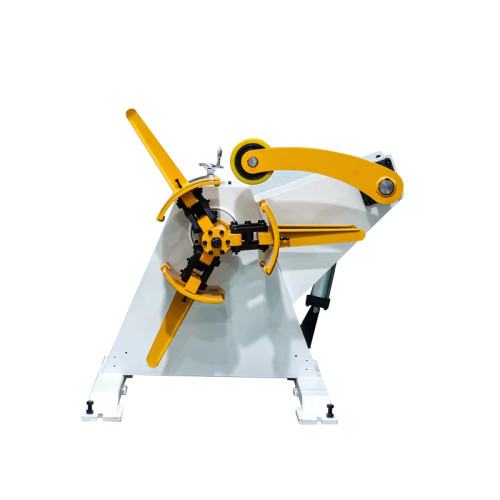
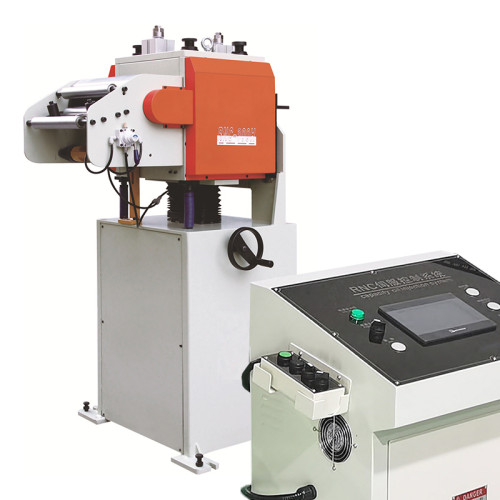
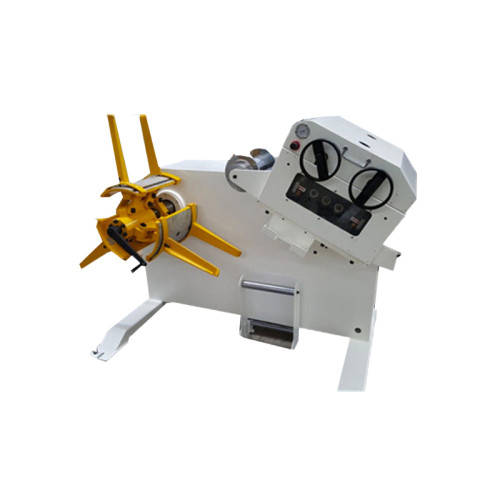
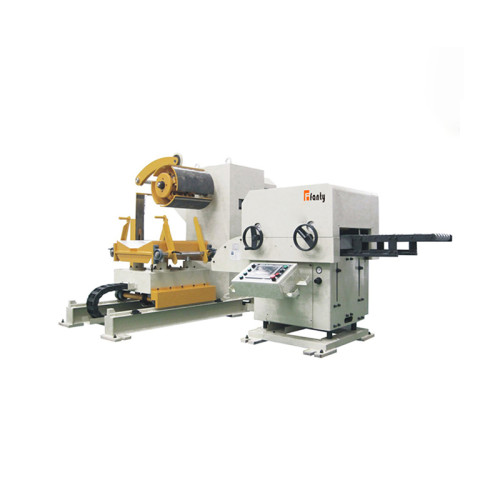
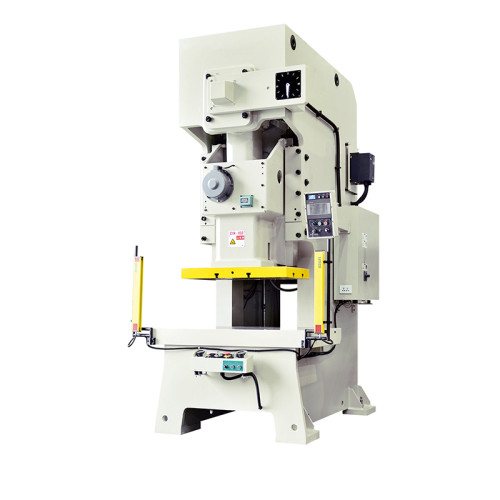
 An NC Straightener Feeder on a high-speed stamping line — the machine your warranty must protect.
What Should a Standard Warranty on an NC Straightener Feeder Cover?
A complete warranty on an NC Straightener Feeder covers more than the obvious mechanical parts. When you compare warranty offers from different builders, check that every one of the following categories appears in writing — if a builder stays silent on any of them, the silence means the risk sits on your side of the table.
- Whole-machine coverage. Frame, straightening rolls, shafts, bearings, and all mechanical assemblies against manufacturing defects.
- Electrical and servo components. Servo motor, servo drive, PLC, HMI touch screen, encoders, sensors, and control cabinet.
- Labor and on-site service. Technician hours, travel, and accommodation for warranty repairs — many cheap warranties cover parts only and bill you $150/hour for labor.
- Consumables with defined life. Belts, filters, and lubrication should carry a separate stated life so you are not surprised when normal wear is excluded.
- Remote diagnostics. Free remote support via network connection for troubleshooting during the warranty period.
Keep in mind that the warranty period should start from the date of commissioning, not the date of shipment. A machine that sits in a crate for two months is not burning warranty days — confirm this in writing before you sign.
Warranty Comparison: What to Look For in Each Quote
When you line up three quotes for an NC Straightener Feeder, the table below is the fastest way to see which builder is actually standing behind their machine. Print it, fill it in from each proposal, and compare the columns side by side.
| Warranty Item | Minimum Acceptable | Strong Coverage | Red Flag |
|---|---|---|---|
| Warranty period | 12 months | 24 months on servo and mechanical | Less than 12 months |
| Coverage scope | Parts + labor | Parts + labor + on-site visit | Parts only, no labor |
| Start date | Commissioning date | Commissioning date | Shipping date |
| Servo motor & drive | Included | Included with replacement unit stocked | Excluded or "wear item" |
| Response time | 48-hour reply | 24-hour remote + on-site within 72h | No SLA stated |
| Spare parts | Shipped within 7 days | Critical parts shipped within 48 hours | No stock commitment |
| Exclusions | Clear, written list | Only misuse and consumables excluded | Vague "conditions apply" |
The column that separates serious builders from traders is the response time. A trading company with no factory and no parts stock can promise anything on paper, but when your servo drive fails on a Tuesday morning, only a builder with real inventory and real engineers can put you back in production quickly.
Why Servo Drive and Electronics Coverage Matters Most
On a modern NC Straightener Feeder, the most expensive single components are the servo motor, the servo drive, and the HMI. A high-end servo drive from a major brand can cost thousands of dollars, and electronics fail in ways that mechanical parts rarely do — a power surge, a bad encoder connection, or a firmware conflict can take out a drive even on a machine that was perfectly maintained. This is why you should insist that the warranty explicitly names the servo motor, servo drive, PLC, HMI, and encoders as covered components.
Some builders quietly list electronic components as "consumables" or add a clause that electronics are covered only for 6 months. That single clause can wipe out the value of your warranty. Ask directly: "If the servo drive fails in month 9 through no fault of our operators, what exactly do you pay for?" A builder with genuine confidence in the machine — and in the brand of servo components they installed — will answer without hesitation.
 Servo motor and drive cabinet — the highest-value components your warranty must cover.
How Should Response Time and Downtime Be Handled?
Downtime on a stamping line is expensive — often $100 to $300 per hour when you count the press, the die, and the operators standing idle. A warranty that promises to "repair or replace defective parts" but says nothing about how fast that happens is technically a warranty and practically a wish. Strong warranty terms should include a response SLA: remote diagnosis within 24 hours, critical spare parts shipped within 48 hours, and an on-site engineer dispatched within 72 hours for failures that cannot be resolved remotely.
It is also worth asking whether the builder keeps a spare-parts inventory for the specific model you are buying. FANTY maintains a full spares stock for every NC Straightener Feeder model we sell, which is why we can commit to shipping critical parts within 48 hours. A builder who only sources parts after you call has no way to meet that commitment.
What Exclusions Are Reasonable — and Which Are Not?
Every warranty has exclusions, and that is fair — nobody should cover abuse, unauthorized modification, or parts damaged by incorrect operation. The problem is that some builders write exclusions so broadly that the warranty becomes nearly worthless. Watch for these three clauses:
- Reasonable: damage from misuse, accidents, floods, lightning, or unauthorized repairs is excluded.
- Reasonable: consumable items such as rubber rollers, belts, and filters carry their own stated life.
- Suspicious: "straightening rolls are excluded as wear items" — rolls are the core working component of a straightener and should be covered for manufacturing defects.
- Suspicious: "warranty void if the machine is not serviced by the builder" — this forces you into expensive service contracts and can void legitimate claims.
If an exclusion clause is ambiguous, ask the builder to rewrite it in plain language before you sign. A fair builder will be happy to clarify; an unfair one will resist.
After-Sales Support: The Warranty You Can't See
The best warranty in the world is only as good as the people behind it. Before you commit, verify three things about the builder: first, that they have their own factory and engineering team rather than reselling another brand; second, that they have a parts stock and a documented support process; and third, that they have reference customers in your industry who can confirm the support experience. FANTY's support backbone is a 45,000 m² factory with 370 staff and 80+ R&D engineers, CE-certified equipment, and more than 200 active line installations in 60+ countries — the same infrastructure that supports our warranty commitments.
Also ask about training. Many warranty disputes start not with a defective part but with an operating error that a short training session would have prevented. A builder that includes operator training and a clear manual in the package is reducing the chance you ever need to file a claim.
Frequently Asked Questions About NC Straightener Feeder Warranties
Is 12 months a standard warranty for an NC Straightener Feeder?
Yes, 12 months is the industry baseline, but it should cover parts and labor, not parts alone. Stronger builders offer 24 months on servo motors and drive systems because those components have the highest failure cost. Anything below 12 months should be a deal-breaker.
Does the warranty cover the straightening rolls?
It should cover manufacturing defects in the rolls — poor hardness, premature wear from bad heat treatment, or surface defects. Normal wear from long production runs is a consumable cost, but a roll that fails in the first months is a quality problem and should be covered. Confirm this in writing.
What happens if the machine fails while it is being shipped?
Shipping damage is normally covered by freight insurance, not the machine warranty. Before signing, confirm who arranges insurance, at what value, and whether the builder or the buyer files the claim. A builder experienced with export to 60+ countries will have a clear, practiced answer.
Should I buy an extended warranty on my 3-in-1 decoiler straightener feeder?
It depends on the cost and what it covers. If the extended warranty includes on-site service and parts at a reasonable annual price, it can be excellent insurance for a machine running two or three shifts. Compare it against the cost of a single servo drive replacement — if the extended warranty costs less than that one part, it is usually worth taking.
Can warranty claims be made remotely for overseas buyers?
Most modern machines support remote diagnostics over a network connection, which lets the builder read servo alarms, encoder counts, and fault logs without flying an engineer in. Make sure your machine comes with that capability and that the warranty explicitly includes free remote support. For physical repairs, a global parts-shipping commitment matters most.
Your Warranty Negotiation Checklist
Before you sign any purchase order for an NC Straightener Feeder, walk through this checklist with the builder and get every answer in writing:
- Warranty period is at least 12 months from commissioning date.
- Servo motor, servo drive, PLC, HMI, and encoders are explicitly covered.
- Labor and on-site service are included, not billed separately.
- Response SLA is written: 24-hour remote, 48-hour parts, 72-hour on-site.
- Exclusions are written in plain language and only cover misuse and consumables.
- The builder owns a factory and maintains a spare-parts stock.
- Operator training and documentation are included in the package.
- You have spoken with at least one existing customer about the support experience.
Getting these answers costs you one meeting. Skipping them can cost you months of downtime and thousands of dollars in repairs on a machine that was supposed to make you money for a decade.
Ready to Discuss Warranty Terms for Your NC Straightener Feeder?
Tell us about your coil specifications, press line, and production schedule. FANTY's application engineers will send you a complete proposal including full warranty terms, response SLA, and spare-parts list within one working day.
Request a Quote with Full Warranty Terms