How to Reduce Stamping Costs with an NC Servo Feeder?
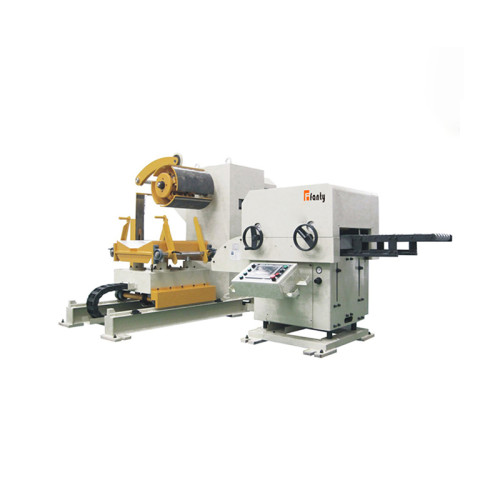
Every stamping shop feels the same pressure: customers want better parts, faster delivery, and lower prices, while material, labor, and energy costs keep climbing. The single most effective place to attack that pressure is the coil feeding system, because the way your strip enters the die determines scrap rate, press utilization, and operator workload all at once. An NC servo feeder attacks stamping costs from three directions at the same time — it cuts material waste through repeatable ±0.05 mm feeding accuracy, it raises usable output by holding speed and pitch stability at 200 SPM, and it reduces the labor and downtime around every job change. This guide walks through where the money actually goes in a stamping line and how a modern NC servo feeder, paired with the right 3-in-1 decoiler straightener feeder configuration, turns each cost center into a saving.
Cost reduction in stamping is not about buying cheaper consumables — it is about engineering waste out of the process. The biggest levers are scrap, changeover time, unplanned stops, and energy, and a properly selected and maintained NC servo feeder moves every one of those levers. FANTY has spent 12 years building coil feeding equipment for 200+ active line installations in 60+ countries from a 45,000 m² factory with 370 staff and 80+ R&D engineers, and the numbers below come from real line audits, not marketing math.
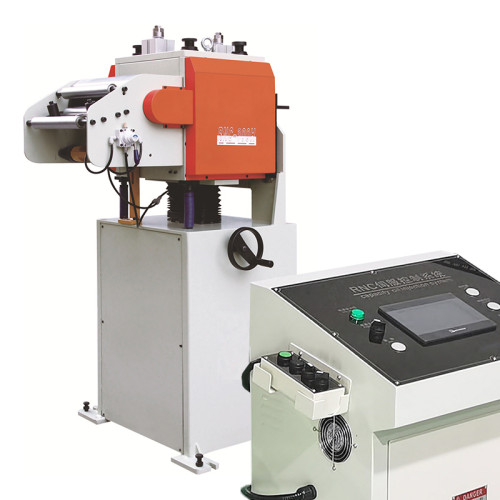
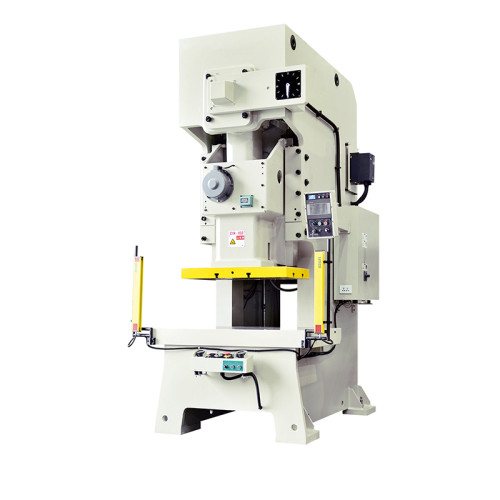
 An NC servo feeder indexing strip into a progressive die — the control point for stamping cost.
Where Does the Money Actually Go in a Stamping Line?
Before you can reduce stamping costs, you need to know where the cost lives. For a typical progressive die line running an NC servo feeder at 150–200 SPM, the cost structure looks roughly like this:
| Cost Center | Share of Part Cost | Feeder Impact |
|---|---|---|
| Raw material (strip steel) | 40–60% | High — feed length accuracy and pitch control determine scrap |
| Die and tooling | 10–15% | Medium — stable feeding reduces die wear and smash-ups |
| Labor and overhead | 15–25% | High — fewer operators and faster changeovers per job |
| Energy | 3–6% | Medium — servo regeneration and efficient drive cycles |
| Downtime and rejects | 5–15% | Very high — the hidden tax on every line |
Notice that raw material dominates. When material is 50% of part cost, a 2% scrap reduction is worth a 1% saving on every single part you produce — and that saving repeats on every run, forever. That is why feeding accuracy is the first place to look.
How Feeding Accuracy Directly Cuts Scrap and Material Waste
The feed length on a stamping line determines where the die lands on the strip. If the NC servo feeder consistently overshoots or undershoots, parts get stamped outside the correct window and become scrap. A mechanical or pneumatic feeder might hold ±0.3–0.5 mm on a good day; an NC servo feeder holds ±0.05 mm run after run, which means the pilot holes land exactly where the die expects them and the strip is used at the theoretical minimum pitch.
In practice, that accuracy shows up as three measurable wins:
- Lower pitch = more parts per coil. With ±0.05 mm control you can safely run the minimum pitch the die allows, typically adding 1–3% more parts from every coil.
- Fewer first-piece rejects. Recipe recall on the HMI reproduces the exact feed parameters for a saved job, so the first part after a changeover is usually good.
- Less strip wasted on trial runs. Operators stop cranking and testing — they load the job and run.
FANTY NC servo feeders use closed-loop encoders and a high-resolution servo drive to hold that ±0.05 mm repeatability at line speeds up to 200 SPM, which is the accuracy band that makes minimum-pitch stamping safe.
Cutting Changeover Time — the Cheapest Saving on the Floor
Every minute a press sits idle during a job change costs the same as a minute of production, but it produces nothing. Shops running mechanical feeders often spend 30–60 minutes per changeover on cam adjustments, die setup, and trial feeding. An NC servo feeder with recipe storage collapses most of that: the operator selects the saved job on the HMI, the feeder sets feed length, speed, and acceleration profile automatically, and the line is running in under five minutes.
If your shop does four changeovers per shift and each one saves 30 minutes, that is two hours of extra press time per shift — which is a 20–25% capacity gain on an eight-hour shift without buying a new press. When you spread that across 200+ active line installations, you can see why FANTY's application engineers treat changeover time as a headline cost-reduction metric for every NC servo feeder we configure.
 Recipe recall on the HMI turns a 45-minute changeover into a 5-minute job change.
Reducing Unplanned Stops and Die Damage
Unplanned stops are the most expensive cost category because they combine lost production with repair cost. The two classic sources of stops on a feeding line are feeding errors and die smash-ups, and both are feeding problems at heart. If the strip feeds short, the die can hit material that is not fully advanced; if it feeds long, the strip can buckle and jam the tooling. An NC servo feeder prevents both with its closed-loop position verification — the feeder confirms the strip is in position before the press is allowed to stroke, and it reports feed errors instantly so the operator can react before damage spreads.
Beyond error prevention, smooth acceleration and deceleration profiles reduce shock loading on the strip, the guides, and the die. A pneumatic feeder snaps the strip forward with an uncontrolled burst; a servo-driven feeder follows a precise velocity curve. The result is measurably lower die wear — some FANTY customers report doubling die life after switching from pneumatic to NC servo feeding — and that is a direct line-item saving on tooling cost.
Energy and Consumables: Smaller but Real Savings
Energy is a smaller line item, but it is pure waste when a machine runs inefficiently. NC servo drives use regeneration — when the feeder decelerates, the motor returns energy to the bus instead of dumping it as heat. Over a two-shift year, that can trim several percent off the line's electricity bill. Similarly, servo-driven motion with controlled acceleration means less belt slip, fewer clutch wear cycles, and longer life for feed rollers and guides, so consumable spend drops as well.
- Servo regeneration recovers braking energy on every feed cycle.
- Controlled acceleration reduces shock loads on belts, rollers, and guides.
- Fewer mechanical wear parts compared with cam and pneumatic feeders.
- Consistent force protects strip surface finish, reducing surface-reject claims.
Labor: Doing More with the Same Team
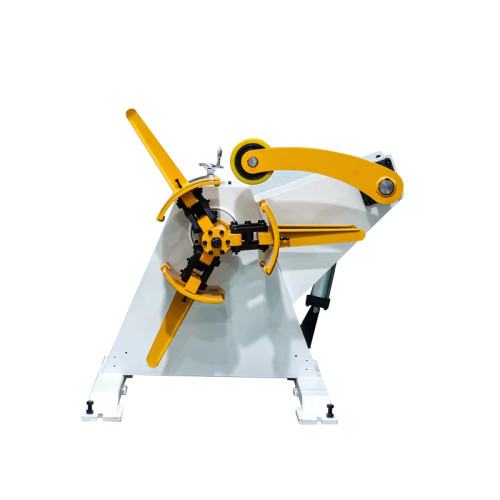
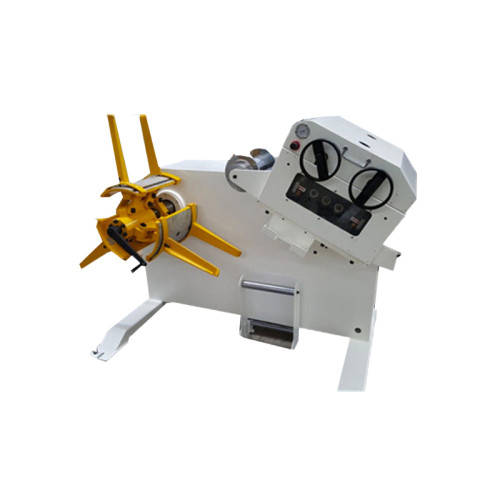
An NC servo feeder does not just feed — it removes work from your operators. Automatic coil end detection, loop control on the decoiler side, and fault diagnostics on the HMI mean the operator spends less time babysitting the line and more time on the next job. One operator can comfortably run a cell with a 3-in-1 decoiler straightener feeder and an NC servo feeder on a long unattended run, especially with large coil capacity on the decoiler side. Over a year, that labor efficiency is often the second-biggest saving after material.
Measure It First
The discipline that separates shops that save money from shops that just buy machines is measurement. Before you upgrade, record scrap rate, changeover time, and stops per shift for a month. After the NC servo feeder is commissioned, record the same numbers again. Most FANTY customers see scrap drop by 1.5–3%, changeover time cut by 50% or more, and stops per shift reduced by a similar margin — numbers that pay for the feeder inside 12–24 months.
Frequently Asked Questions About Reducing Stamping Costs
How much can an NC servo feeder really reduce scrap?
It depends on your current feeder and material, but a realistic expectation is 1.5–3% scrap reduction from feeding accuracy alone, plus more from fewer first-piece rejects and trial-run waste. On a line where material is half of part cost, that is a 0.75–1.5% cost reduction on every part produced.
Is an NC servo feeder worth it for short production runs?
Yes — arguably more so. Short runs mean more changeovers, and changeover time is exactly what recipe recall and auto-setup eliminate. Shops doing many small jobs often see the fastest payback because they save 30–60 minutes per job change multiple times per shift.
Does the decoiler and straightener affect feeding cost?
Directly. A 3-in-1 decoiler straightener feeder with controlled loop prevents strip tension variations, which protects both feeding accuracy and strip surface. If the decoiler runs unevenly, even a perfect NC servo feeder will fight tension problems. The feeding package should be engineered as one system.
How quickly does an NC servo feeder pay for itself?
Most FANTY customers see payback in 12–24 months from scrap savings, changeover gains, and reduced stops combined. The fastest cases are shops running multiple shifts with frequent changeovers, where capacity gains alone can justify the investment.
Can I add an NC servo feeder to my existing press?
Yes. NC servo feeders are designed to retrofit onto existing presses with a standard signal interface. FANTY's engineers will check your press stroke, die height, and coil specifications and configure a feeder that drops into your line with minimal modification.
Your Stamping Cost-Reduction Action Plan
If you want to turn this guide into results, work through this list in order:
- Measure current scrap rate, changeover time, and stops per shift for one month.
- Calculate the cost of each: scrap value, idle press time, and repair hours.
- Audit your feeding system's accuracy — measure actual feed length repeatability, not the brochure number.
- Estimate savings from minimum-pitch feeding and faster changeovers for your job mix.
- Get a quote for an NC servo feeder matched to your coil, die, and press.
- Re-measure 30 and 90 days after commissioning to verify the savings are real.
Stampers who treat feeding as a strategic cost lever, rather than a commodity purchase, consistently out-earn their competitors on the same presses. The machine is the same — the difference is how the feeding system is engineered and measured.
Want a Cost-Saving Analysis for Your Stamping Line?
Send us your coil specs, press details, and current scrap/changeover numbers. FANTY's application engineers will show you, with your own data, what an NC servo feeder could save your shop — no obligation.
Request a Free Cost-Saving Analysis