How to Prevent NC Servo Feeder Overheating in Summer?
When summer temperatures climb, stamping shops start seeing a familiar set of service calls: servo alarms, feeding errors, and sudden machine stops that did not happen in cooler months. The common thread is heat. An NC servo feeder is an electro-mechanical machine — its servo motor, drive, and control cabinet generate heat from every cycle, and when the ambient temperature of the workshop rises, the components have less margin before they hit their thermal limits and the drive starts derating or tripping. Overheating does not just stop production; it shortens the life of the servo drive capacitors, degrades the encoder, and can even damage the motor windings over time. This guide explains why NC servo feeders overheat in summer, how to read the warning signs before a failure, and the practical steps — from ventilation to maintenance — that keep a feeder running through the hottest weeks without a single thermal trip.
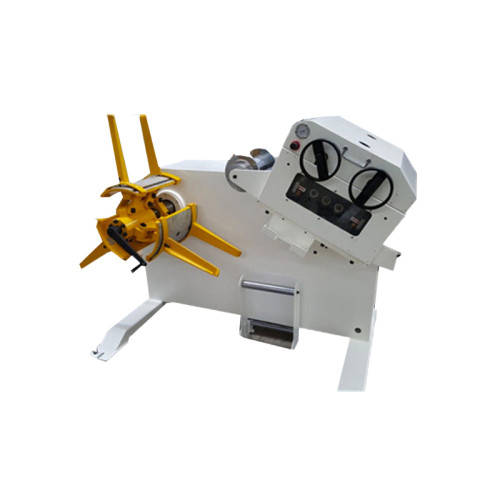
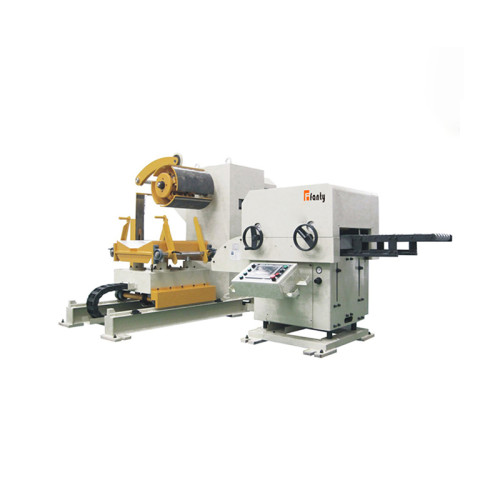
Heat is the hidden enemy of servo equipment. Every 10°C rise in operating temperature can halve the life of electronic components, and an NC servo feeder running a two-shift schedule in a hot workshop is already starting the day with less thermal headroom than its design intended. FANTY builds NC servo feeders and 3-in-1 decoiler straightener feeder lines from a 45,000 m² factory with 370 staff and 80+ R&D engineers, supporting 200+ active line installations in 60+ countries — and the summer service playbook below is what our field engineers follow when a feeder starts overheating.
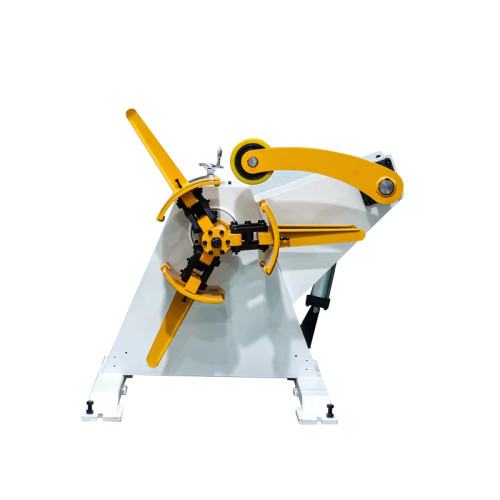
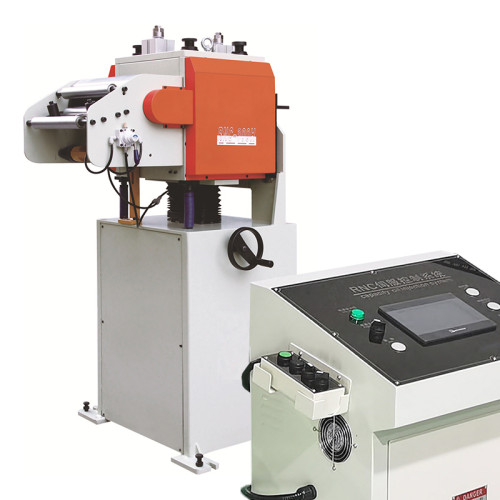
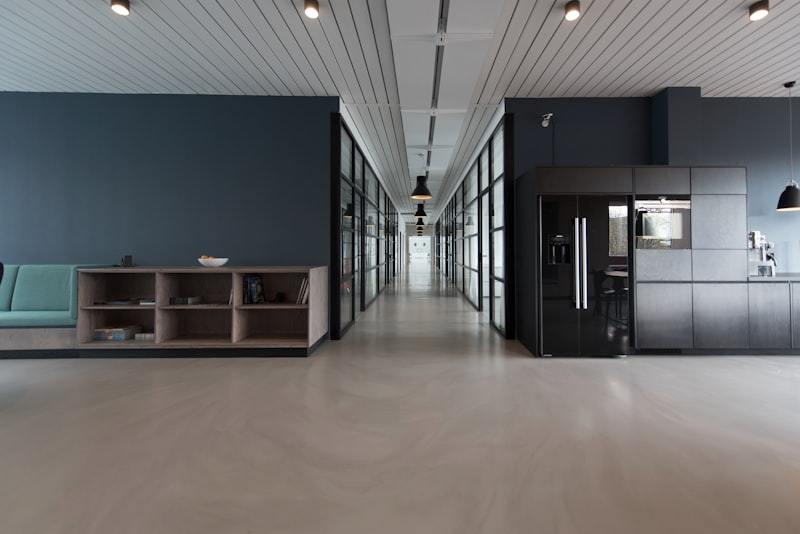 An NC servo feeder and its control cabinet — thermal management becomes critical in summer.
Why Does an NC Servo Feeder Overheat in Summer?
An NC servo feeder generates heat in three places: the servo motor, the servo drive, and the control cabinet. The motor heats up from the current it draws during each feed cycle; the drive heats up from switching losses as it converts power to the motor; and the cabinet heats up because both are usually mounted inside it, along with the PLC, HMI, and braking resistor. In winter, the workshop air cools these components. In summer, three things change at once:
- Higher ambient temperature. Workshop air can hit 35–45°C, so the air entering the cabinet is already hot before it does any cooling.
- Dust and fiber buildup. Summer production often runs more cooling fans elsewhere in the shop, stirring up dust that blocks cabinet filters and motor cooling fins.
- Higher duty cycle. Summer is often peak production season, so the feeder runs longer and harder, generating more heat per day.
The result is a slow creep toward the thermal limits printed in the drive's specification. When the drive's internal temperature sensor crosses its threshold, it first derates (reduces output current to protect itself), which shows up as slower feeding and lost SPM, and then it trips an over-temperature alarm, which stops the line completely.
Warning Signs to Watch Before a Full Shutdown
Overheating rarely happens instantly — it announces itself through a series of signs that operators can catch if they know what to look for. Train your team to watch for these five indicators:
| Warning Sign | What It Means | Action |
|---|---|---|
| Drive fan runs constantly or at high speed | Drive is near its thermal limit and cooling hard | Check airflow and filter cleanliness |
| Feeding slows during long runs | Drive is derating output current to protect itself | Reduce duty or improve ventilation |
| Motor housing too hot to hold | Motor is operating above normal winding temperature | Check load, duty cycle, and cooling fins |
| Intermittent feed position errors | Encoder or electronics drifting under heat | Inspect encoder connection and cabinet cooling |
| Over-temperature alarm in the afternoon | Ambient heat plus accumulated duty pushes past limit | Full thermal check before restarting |
If you catch the first two signs and act, you avoid the last two entirely. The cost of cleaning a filter is ten minutes; the cost of a tripped line in the middle of a shift is measured in hours.
Improve Ventilation and Airflow Around the Cabinet
The single most effective summer fix is airflow. A servo drive needs a constant supply of cool, clean air moving across its heatsink, and most cabinets are designed for exactly that — until the filter clogs or the surrounding area gets blocked. Start with these checks:
- Clean or replace the cabinet air filter. A clogged filter starves the drive of airflow. In dusty shops, clean it weekly in summer.
- Keep 30 cm of clearance. Move boxes, coils, and pallets away from the cabinet vents — they block airflow and trap heat.
- Check the cabinet fan. Listen for a working fan; replace it if it is noisy, slow, or dead. A dead cabinet fan is a summer shutdown waiting to happen.
- Consider a cooling upgrade. For shops with chronic summer problems, a cabinet air conditioner, heat exchanger, or a larger exhaust fan is a modest investment that protects a much more expensive drive.
If the workshop itself has poor air circulation, improve it at the source — bay doors open at both ends, roof extractors running, or spot coolers near the line all reduce the ambient temperature that the feeder's cabinet has to fight against.
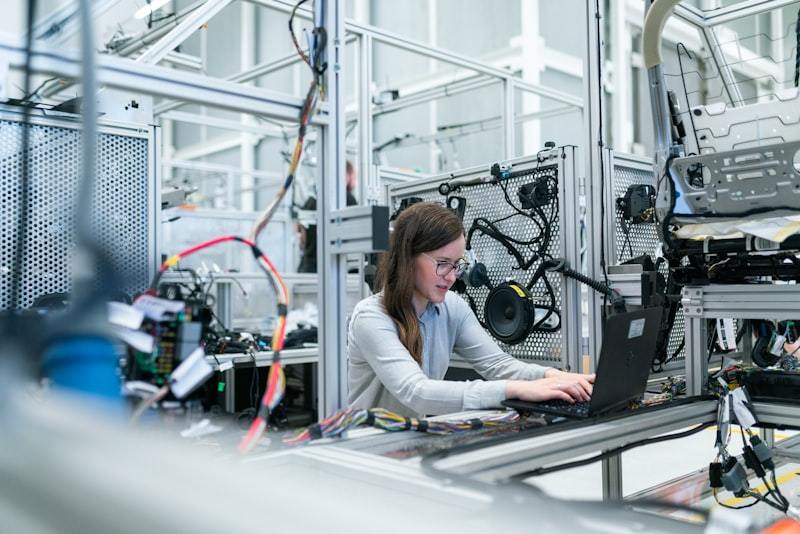 Cleaning the drive cabinet filter — the ten-minute task that prevents summer thermal trips.
Check the Motor and Mechanical Load Path
Not all heat comes from the environment. An NC servo feeder motor can overheat because it is being asked to do more work than the mechanical system can handle — a worn bearing, a misaligned feed roller, or an over-tightened straightener roll all add load that the motor converts into heat instead of motion. In summer, when ambient heat is already high, even a small mechanical drag can push the motor over its limit.
During your summer maintenance pass, check the mechanical side too:
- Feel the motor at rest. After a cool-down, the motor should return to near-ambient temperature; if it stays hot, the load path has a problem.
- Lubricate feed rollers and bearings. Friction from dry bearings adds load and heat.
- Check roller alignment. A misaligned roller makes the strip drag sideways, loading the motor unevenly.
- Verify the straightener roll gap. An over-tightened straightener on the 3-in-1 decoiler straightener feeder adds constant mechanical load.
Heat from mechanical sources is doubly damaging because it does not show up on the drive's electrical load meter the way you expect — the drive may read a normal current while the motor overheats from friction that the current curve hides.
Manage Duty Cycle and Production Scheduling
Sometimes the machine is fine and the schedule is the problem. If the feeder runs a heavy job at maximum SPM continuously through the hottest afternoon hours, the thermal accumulation is inevitable. Practical options include:
- Schedule heavy jobs in cooler hours. Run the highest-SPM jobs in the morning or evening and lighter jobs in the afternoon heat.
- Build in micro-breaks. A 10-minute pause every two hours lets the drive and motor cool between runs.
- Match feed speed to what is needed. If the press can run at 180 SPM instead of 200 SPM, the feeder's duty cycle drops without losing meaningful output.
These are not production sacrifices — they are smarter use of the same hours. A line that runs steadily at 180 SPM with no thermal trips produces more parts per day than a line that runs at 200 SPM and stops for an hour of alarms.
Log It Before It Becomes a Pattern
Start a simple thermal log: date, time, ambient temperature, drive temperature reading, and any alarms. After two weeks you will see the pattern — at what ambient temperature the feeder starts derating, at what hour the first alarm appears, and which jobs push it over. That data tells you exactly what to fix first, whether it is ventilation, mechanical load, or scheduling.
Frequently Asked Questions About NC Servo Feeder Overheating
What temperature is too hot for an NC servo feeder drive?
Most servo drives are rated for operation up to 50–55°C ambient, but the safe working window shrinks as the drive heats internally. A practical rule: if the drive heatsink exceeds 70°C or the ambient in the cabinet exceeds 45°C for sustained periods, you are operating with too little margin. Check your drive's datasheet for the exact limits.
Can I install an air conditioner on the control cabinet?
Yes — cabinet air conditioners are a standard, reliable upgrade for hot workshops. They hold the cabinet at a constant temperature regardless of shop conditions. For less extreme cases, a heat exchanger or a higher-capacity filtered fan is usually sufficient. FANTY can advise on the right option for your line.
Why does the feeder run fine in the morning but alarm in the afternoon?
Thermal accumulation. The drive and motor build up heat over hours of running, and the afternoon ambient temperature adds the final few degrees that push them over the limit. The solution is a combination of better airflow, reduced duty, and possibly scheduling changes.
Does overheating damage the NC servo feeder permanently?
Repeated or prolonged over-temperature operation shortens the life of electrolytic capacitors in the drive, can degrade the encoder, and may damage motor insulation over time. A single trip is usually harmless; chronic overheating is what causes premature failure. Treat alarms as warnings, not events.
How often should I clean the cabinet filter in summer?
In dusty stamping shops, clean the filter weekly during summer, and inspect the cabinet fan at the same time. In cleaner environments, monthly may be enough. The quick test: if you can see visible dust buildup on the filter surface, it is already restricting airflow — clean it.
Your Summer Overheating Prevention Checklist
Run through this list at the start of the hot season and again every month until the weather cools:
- Clean or replace the cabinet air filter.
- Verify the cabinet fan and drive fan are running correctly.
- Clear the area around the cabinet — 30 cm clearance on all sides.
- Feel the motor after a cool-down to check for residual heat.
- Lubricate feed rollers and bearings; check roller alignment.
- Verify straightener roll pressure is set correctly, not over-tightened.
- Review the production schedule and move heavy jobs away from peak heat.
- Start a thermal log and review it weekly for trends.
Summer heat does not have to mean summer downtime. The machines are the same machines that run all year — the difference is that in hot weather, the thermal margin shrinks and the maintenance discipline has to grow. Ten minutes of prevention per week is a small price for a line that never stops.
Need Help Keeping Your NC Servo Feeder Cool This Summer?
Send us your feeder model, workshop conditions, and any thermal alarm history. FANTY's service engineers will recommend the right ventilation or cooling solution and a maintenance plan for your line.
Request a Thermal Audit for Your Line