How to Calculate Decoiler Machine Capacity for Steel Coils in 2026?
Choosing the wrong decoiler machine can lead to serious production problems — coil collapse, unstable feeding, excessive motor load, material damage, or even complete production line shutdowns. Yet many buyers still select decoilers based only on price or “estimated coil weight.”
So how do professionals accurately calculate the required capacity of a decoiler machine for steel coils?
In this comprehensive guide, we’ll explain:
- * How decoiler machine capacity is calculated
- * The steel coil weight formula used by engineers
- * Key factors that affect decoiler selection
- * Common calculation mistakes buyers make
- * How to choose the right hydraulic decoiler for your production line
- * How FANTY helps customers build reliable coil handling systems
Whether you operate a stamping factory, automotive parts workshop, roofing sheet line, or steel processing center, understanding decoiler capacity calculations can help you avoid expensive purchasing mistakes.
What Is Decoiler Machine Capacity?
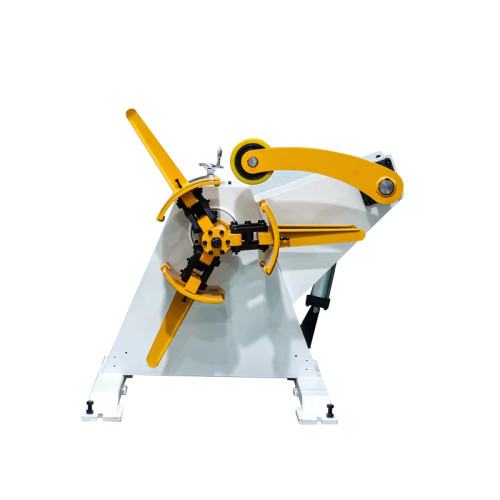
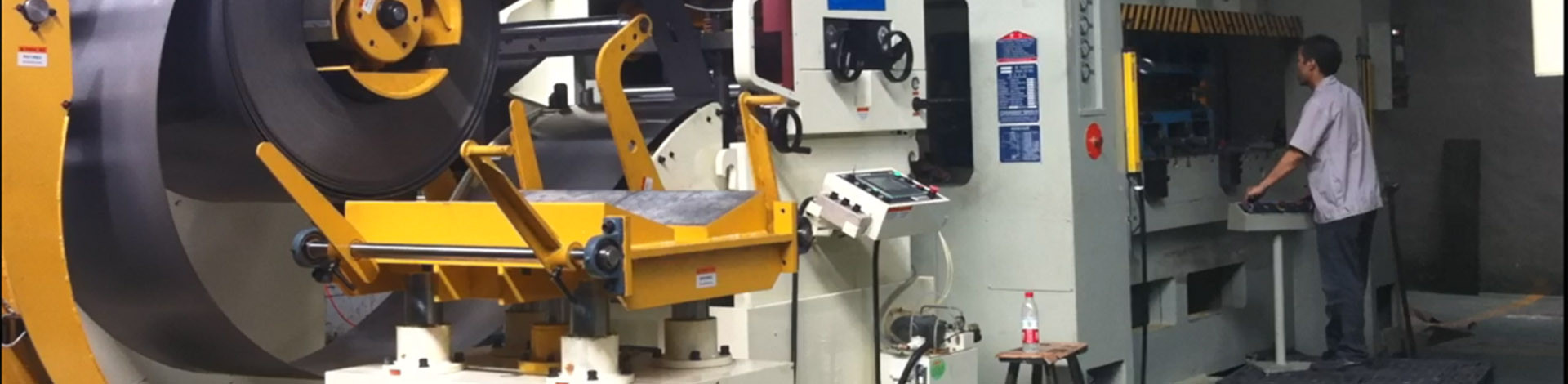
The capacity of a decoiler machine refers to the maximum coil weight the machine can safely support and unwind during production.
For example:
- * 3 Ton Decoiler
- * 5 Ton Decoiler
- * 10 Ton Hydraulic Decoiler
- * 15 Ton Heavy Duty Decoiler
This capacity directly affects:
- * Production safety
- * Feeding stability
- * Servo feeder performance
- * Coil rotation accuracy
- * Machine lifespan
If the coil exceeds the decoiler’s actual load capacity, several problems may occur:
- * Mandrel deformation
- * Hydraulic failure
- * Motor overload
- * Uneven coil expansion
- * Production downtime
That’s why professional manufacturers like FANTY always calculate real coil parameters before recommending a decoiler solution.
Why Accurate Decoiler Capacity Calculation Matters
Many factories underestimate the importance of coil calculations.
A decoiler is not simply “holding steel.” It is continuously handling dynamic rotational load during feeding and stamping operations.
Improper calculations may result in:
| Problem | Impact |
|---|---|
| Underestimated coil weight | Machine overload and motor damage |
| Wrong coil width assumption | Poor feeding alignment |
| Ignoring inner diameter | Mandrel incompatibility |
| Ignoring material thickness | Insufficient torque output |
| Choosing low-cost small decoiler | Reduced equipment lifespan |
At FANTY, our engineering team evaluates not only coil weight, but also:
- * Coil width
- * Material thickness
- * Yield strength
- * Production speed
- * Feeding precision
- * Automation level
This ensures customers receive a truly suitable coil handling solution instead of just a basic machine quote.
How to Calculate Steel Coil Weight
What Factors Affect Steel Coil Weight?
Steel coil weight depends on several physical dimensions and material properties. The most common variables include:
| Factor | Description |
|---|---|
| Coil Width | The width of the steel strip |
| Thickness | Steel sheet thickness |
| Outside Diameter (OD) | Maximum outer diameter of the coil |
| Inside Diameter (ID) | Coil inner diameter |
| Material Density | Density varies by material type |
| Coil Length | Total uncoiled strip length |
Simplified Steel Coil Weight Formula
Many factories use a simplified formula for daily calculations:
Weight = Width × Thickness × Length × DensityThis formula is widely used in:
- * Stamping factories
- * Roofing sheet production
- * Automotive component lines
- * Servo feeding systems
- * Coil slitting lines
More details on how to calculate steel coil weight.
Factors That Affect Decoiler Machine Capacity
1. Coil Weight
This is the primary factor.
Heavier coils require:
- * Stronger mandrels
- * Larger hydraulic cylinders
- * Higher motor torque
- * More stable base structures
2. Coil Width
Wide coils create additional rotational inertia and side loading.
A narrow 10-ton coil behaves very differently from a wide 10-ton coil.
3. Material Thickness
Thicker materials generate higher unwinding tension.
For example:
- * 0.3 mm stainless steel coil
- * 6 mm hot rolled steel coil
These require completely different decoiler designs.
4. Coil Outer Diameter
Large OD coils create greater rotational force and inertia.
This directly impacts:
- * Motor sizing
- * Brake systems
- * Hydraulic expansion systems
5. Production Speed
High-speed stamping lines require:
- * Servo-controlled decoilers
- * Automatic tension systems
- * Loop control systems
A low-speed decoiler may fail under high-speed continuous feeding conditions.
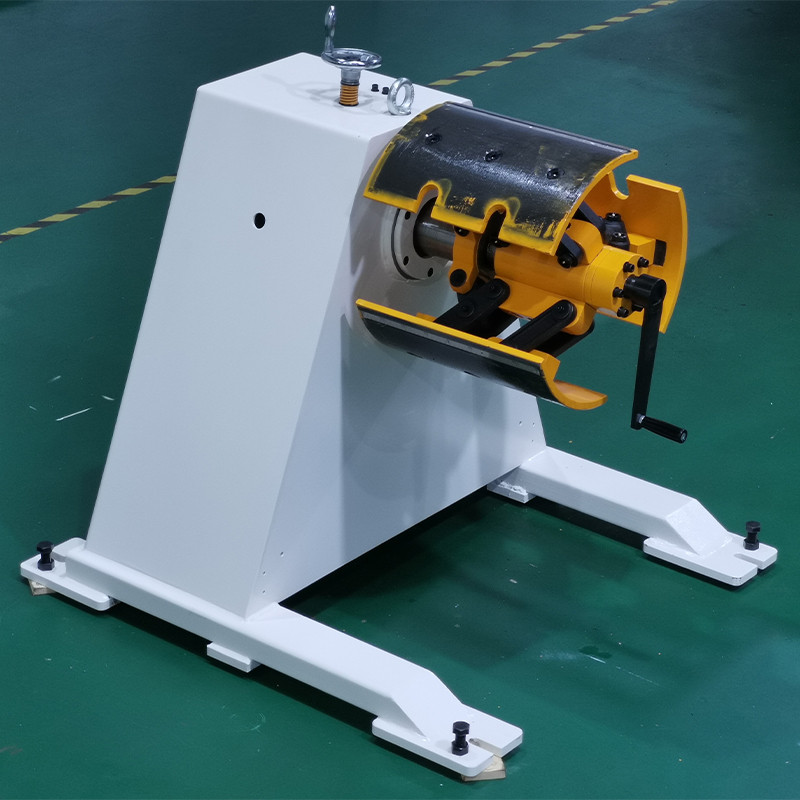
Manual vs Hydraulic Decoiler Capacity
| Type | Typical Capacity | Best Use |
|---|---|---|
| Manual Decoiler | Up to 2 Tons | Small workshops |
| Motorized Decoiler | 2–5 Tons | Medium production |
| Hydraulic Decoiler | 5–20 Tons+ | Heavy industrial lines |
At FANTY, most international customers choose hydraulic decoilers because they offer:
- * Better stability
- * Automatic expansion
- * Safer loading
- * Higher precision feeding
- * Reduced labor cost
Common Mistakes When Choosing Decoiler Capacity
Choosing Capacity Equal to Coil Weight
Never choose a decoiler with exactly the same capacity as your coil weight.
Always leave a safety margin.
Ignoring Future Production Upgrades
Many factories later increase coil width or thickness.
Choosing a slightly larger decoiler now can save future replacement costs.
Only Comparing Prices
Cheap decoilers often use:
- * Weak mandrels
- * Low-grade bearings
- * Undersized motors
- * Poor hydraulic systems
This results in:
- * Frequent breakdowns
- * Material feeding instability
- * Production losses
Ignoring Automation Compatibility
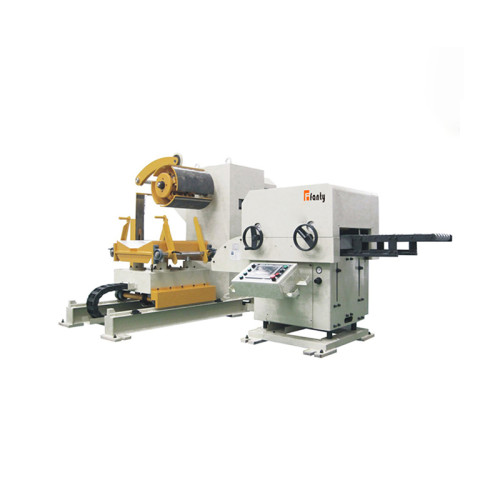
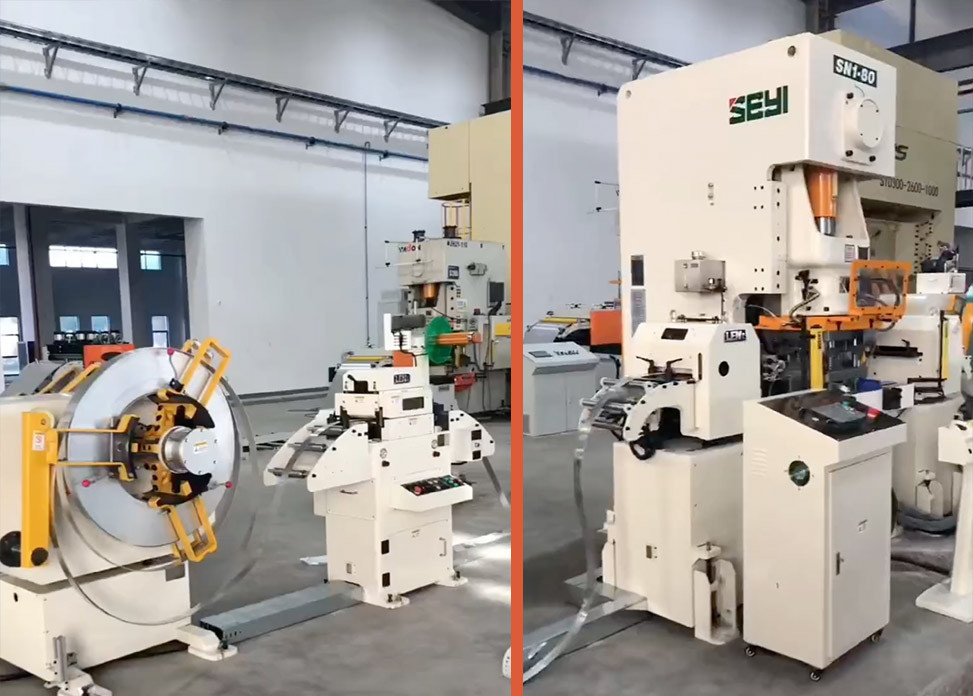
Modern stamping lines often require integration with:
- * Servo feeders
- * Straighteners
- * Press machines
- * Robotic automation systems
Your decoiler must match the entire production line configuration.
How FANTY Helps Customers Select the Right Decoiler
At FANTY, we do not simply provide machine quotations.
We provide complete coil handling solutions based on actual production requirements.
Our engineering team evaluates:
- * Coil specifications
- * Production speed
- * Material type
- * Factory layout
- * Automation requirements
- * Future expansion plans
Our decoiler systems are widely used in:
- * Automotive stamping
- * Metal ceiling production
- * Roofing sheet lines
- * Appliance manufacturing
- * HVAC component production
- * Steel service centers
FANTY provides:
- * Hydraulic decoilers
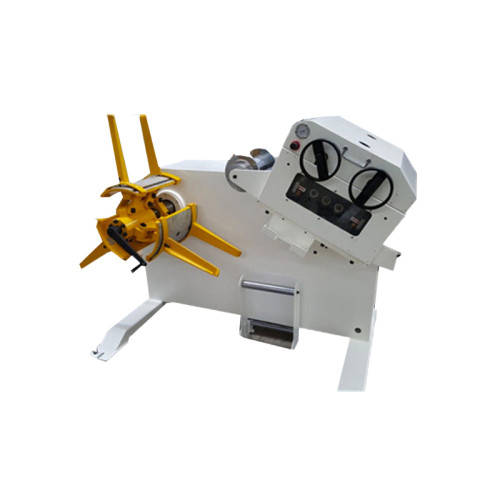
- * Motorized decoilers
- * Double-head decoilers
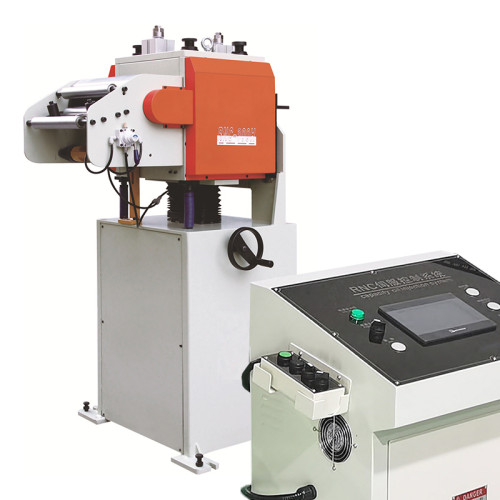
- * Servo feeding systems
- * Customized coil handling solutions
Unlike many suppliers that only focus on price competition, FANTY emphasizes:
- * Long-term reliability
- * Engineering support
- * Stable feeding precision
- * Machine durability
- * Production efficiency
Signs Your Current Decoiler Capacity Is Too Small
- * Machine vibration during feeding
- * Coil slipping on mandrel
- * Motor overheating
- * Uneven feeding speed
- * Hydraulic pressure instability
- * Frequent bearing failure
- * Production downtime
If your factory experiences these issues, your current decoiler may be overloaded.
Future Trends in Decoiler Machine Technology
In 2026 and beyond, decoiler technology is moving toward:
- * Full automation
- * Servo-controlled precision feeding
- * Smart load monitoring
- * IoT production management
- * Energy-efficient hydraulic systems
- * Integrated AI maintenance alerts
FANTY continues investing in intelligent coil handling systems to help manufacturers improve:
- * Production efficiency
- * Safety
- * Automation
- * Long-term operational stability
Final Thoughts
Calculating the correct decoiler machine capacity is one of the most important steps when designing or upgrading a steel coil processing line.
A proper calculation helps you:
- * Avoid machine overload
- * Improve feeding stability
- * Reduce maintenance costs
- * Increase production efficiency
- * Protect operator safety
Instead of selecting equipment only by price, manufacturers should evaluate:
- * Actual coil weight
- * Material thickness
- * Production speed
- * Automation requirements
- * Future production expansion
If you are unsure which decoiler capacity is suitable for your production line, the engineering team at FANTY can help you analyze your coil specifications and recommend the most reliable solution.
With years of experience in coil handling automation and stamping line integration, FANTY provides professional decoiler systems designed for long-term industrial performance.
FAQ
What size decoiler do I need?
You need a decoiler with capacity higher than your maximum coil weight. Most factories choose a machine with 20–30% extra load margin for safety and durability.
How do you calculate steel coil weight?
Steel coil weight is calculated using outer diameter, inner diameter, width, thickness, and material density.
Can one decoiler handle different coil sizes?
Yes. Many hydraulic decoilers support adjustable coil widths and expandable mandrels for multiple coil specifications.
What is the difference between manual and hydraulic decoilers?
Hydraulic decoilers provide automatic expansion, higher load capacity, safer operation, and better feeding precision than manual decoilers.
Why choose FANTY decoiler machines?
FANTY provides customized coil handling solutions with strong engineering support, durable industrial components, automation integration, and stable long-term production performance.