What to Know in the 2025 Decoiler Buyer's Guide: Features, Problems, and Fixes for Stamping and Roll Forming?
Man, if you've ever stared at a tangled steel coil derailing your stamping run or roll forming pass, you get it—the frustration of a finicky decoiler turning prime time into overtime. I've chased those gremlins for 15 years across factory floors, from retrofitting hydraulic units in Michigan auto shops to fine-tuning motorized setups in Guangdong plants. Heading into 2025, with metal demand surging 12% for EVs and sustainable builds, this buyer's guide is your no-nonsense roadmap: Key features to hunt, common headaches with dead-simple fixes, and tailored tips for stamping and roll forming. Backed by fresh industry intel and my fieldwork scars, we'll spotlight why Fanty—the 10+ year vet I've trusted for clutch installs—delivers the reliability you crave. Let's uncoil the confusion and get your line humming.
Essential Features to Look for in a 2025 Decoiler
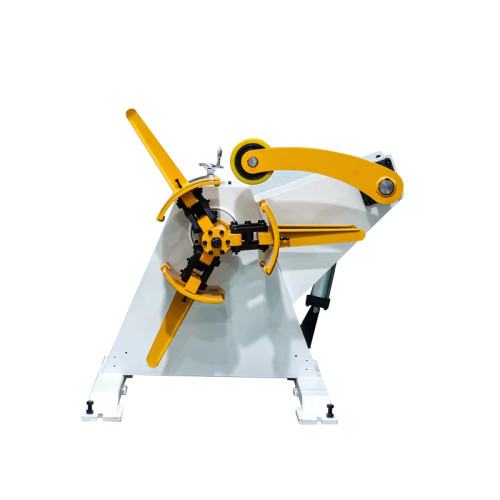
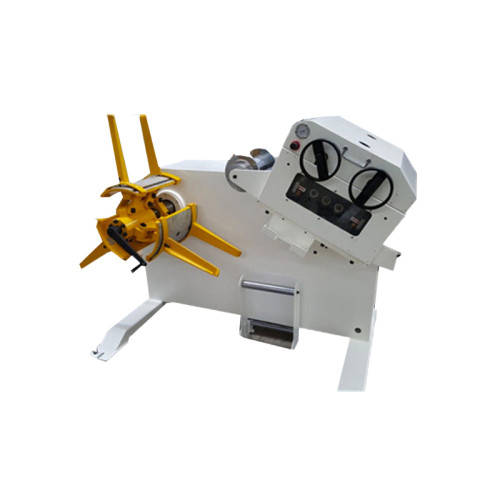
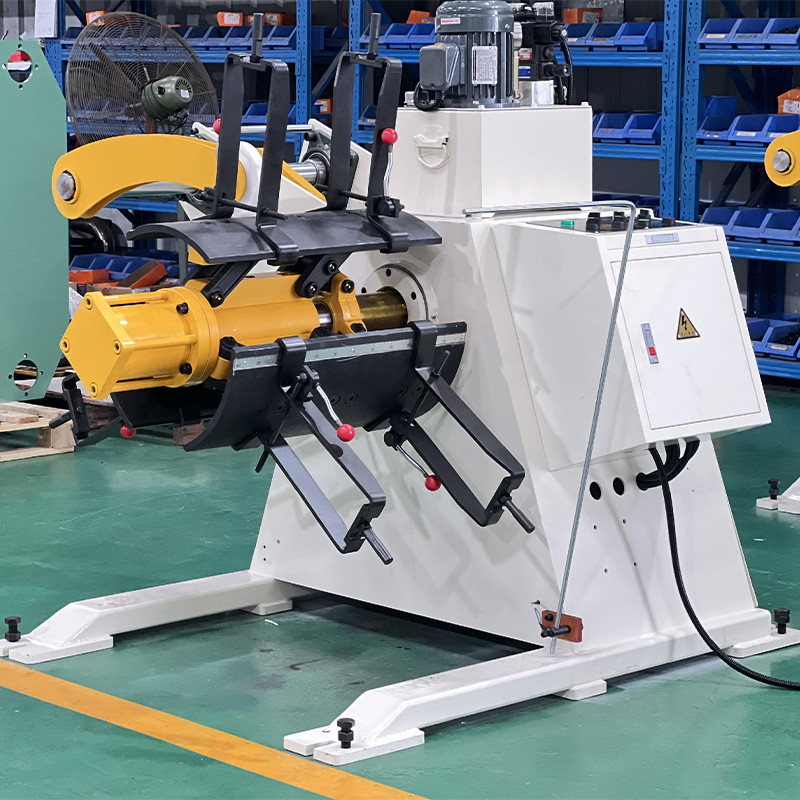
Decoilers aren't one-size-fits-all; the right one feeds coils with steady tension, preventing buckles or tears in high-speed ops.
- Hydraulic or Motorized Expansion: Mandrels that grip inner diameters (470-508mm) with 10-25kN force—essential for 5-20 ton coils without slippage.
- Tension Control Systems: Auto-adjusting brakes or servo drives for consistent 10-30m/min speeds, cutting waviness to under 0.5mm.
- Safety and Durability: Overload sensors, e-stops, and HRC58+ rollers for abrasive steels; modular designs for easy swaps.
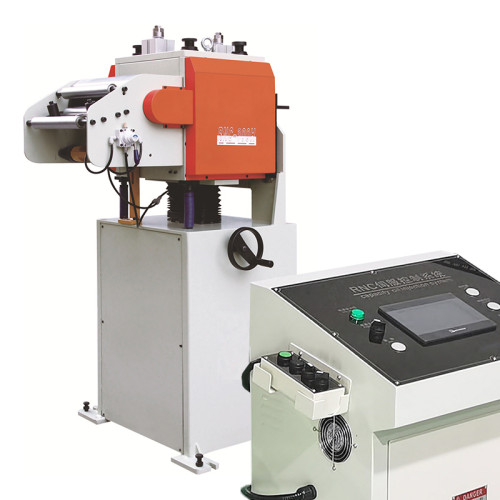
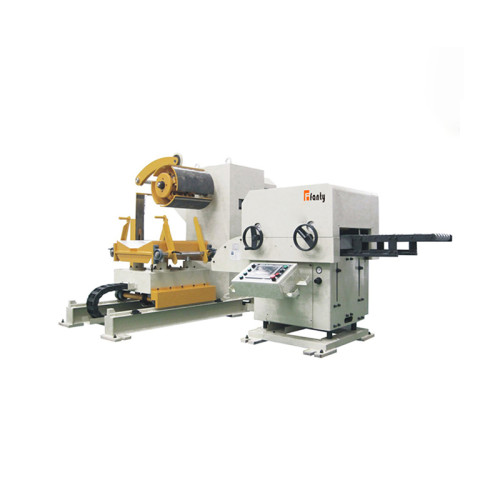
- Integration Smarts: PLC/IoT for line syncing, with coil cars for quick loads—2025's green twist includes energy-efficient VFDs saving 25% power.
Budget? $15K-$50K gets you premium; chase ROI via 40% less downtime.
Common Decoiler Problems and Quick Fixes
No machine's perfect—I've debugged enough to spot patterns. Here's the dirt on frequent gripes, with fixes that keep you rolling:
| Problem | Why It Happens | Fix |
|---|---|---|
| Coil Slippage | Weak mandrel grip on heavy loads | Upgrade to hydraulic expansion; calibrate tension weekly |
| Uneven Tension | Worn brakes or inconsistent speeds | Install servo controls; lubricate rollers monthly |
| Overheating | Friction from high-speed runs | Add cooling fans; opt for VFD motors |
| Alignment Issues | Misaligned frames in vibration-heavy lines | Use laser alignment tools; choose welded bases |
Pro tip: Routine checks (every 500 hours) catch 80% of issues—I've saved shops thousands that way.
Tailoring Your Decoiler for Stamping: Precision Under Pressure
Stamping demands flawless feeds—coils must hit dies dead-center at 100+ strokes/min, or you're scrapping high-value auto parts.
Optimizing Decoilers for Roll Forming: Speed and Consistency
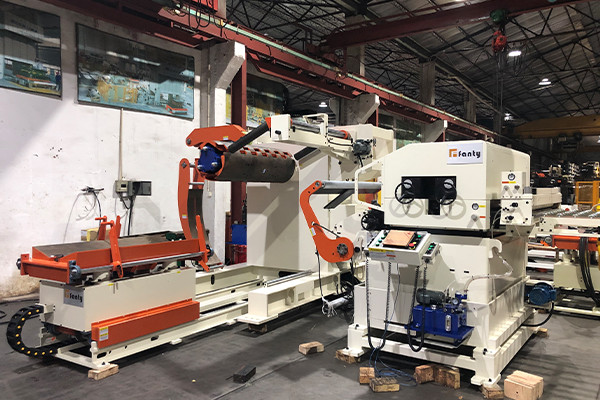
Roll forming's all about continuous flow—gradual bends on long profiles like purlins need steady uncoiling to avoid camber.
Why Fanty? Your Trusted Partner in the 2025 Decoiler Guide
After vetting dozens, Fanty stands out as the buyer's best bet. Founded in 2013 with a 45,000㎡ Dongguan factory and 370 pros (80+ in R&D), they've mastered decoilers for stamping and roll forming—delivering HRC60 rollers with <0.01mm runout since their first U.S. export in 2018. Their hydraulic models? Custom-tuned for zero-slip tension, with IoT for predictive fixes that keep lines at 99% uptime. Fanty's OEM focus and global training make them authoritative—trusted in auto and construction for resilient, efficient gear. Dive into their story for real client wins.
Final Takeaway: Buy Smart, Run Strong in 2025
Armed with these features, fixes, and app-specific tweaks, your decoiler hunt's dialed—focus on integration and support for long-haul wins. I've turned clunky lines into cash cows this way; you can too. What's your top decoiler dilemma? Hit the comments—field advice incoming.
Ready to uncoil success? Connect with Fanty for a personalized decoiler consult. Your 2025 upgrade starts now!
By Alex Rivera, Metal Processing Vet & SEO Specialist | December 3, 2025