Manual vs Motorized vs Hydraulic Decoiler: Which Type Is Right for Your Stamping Line?
Choosing the wrong decoiler machine is one of the most costly mistakes a stamping operation can make.
Whether you run a small job shop with occasional coil changes or a high-volume automotive line producing 10,000 parts daily, the type of decoiler you select directly impacts your feeding stability, material quality, and production uptime.
This comprehensive guide compares manual, motorized, and hydraulic decoilers so you can decide with confidence.
Side-by-Side Comparison
| Feature | Manual Decoiler | Motorized Decoiler | Hydraulic Decoiler |
|---|---|---|---|
| Coil Weight Capacity | Up to 500 kg | 500 - 3,000 kg | 3,000 - 20,000 kg |
| Mandrel Expansion | Hand crank, 15-30 min | Manual or mechanical, 5-10 min | Hydraulic powered, under 5 min |
| Speed Control | None (free spinning) | Variable frequency drive | VFD + precision brake |
| Price Range (USD) | $800 - $2,500 | $2,500 - $8,000 | $8,000 - $25,000 |
| Maintenance Level | Very low — bearings only | Low to medium — motor + bearings | Medium — hydraulic system + motor |
| Best Application | Low-volume, light coils under 500 kg | Mid-volume production, 1-5k parts/day | High-volume, heavy coils 5-20 tons |
Manual Decoiler: When Budget Matters Most
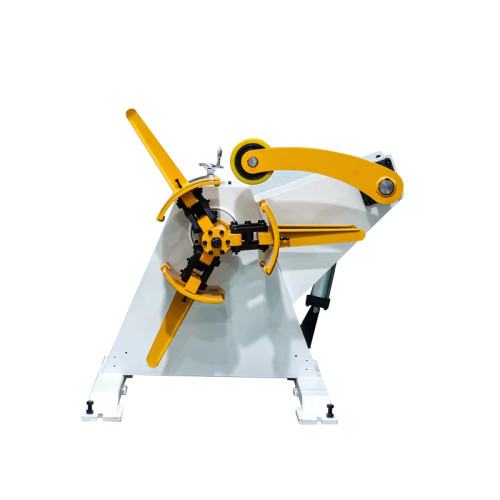
A manual decoiler is a simple mechanical stand with a mandrel that holds the coil on bearings. No motor, no electronics — just a robust steel frame. The downstream equipment pulls material as needed, and the decoiler spins freely on bearings. This simplicity makes manual decoilers incredibly reliable and cost-effective for light-duty applications. Best for small fabrication shops, prototyping departments, and low-volume production where coils rarely exceed 300 kg. The main limitations are no active tension control, limited to narrow coils under 500 kg, slow coil changes (15-30 minutes), and the need for manual braking.
Motorized Decoiler: The Balanced Performer
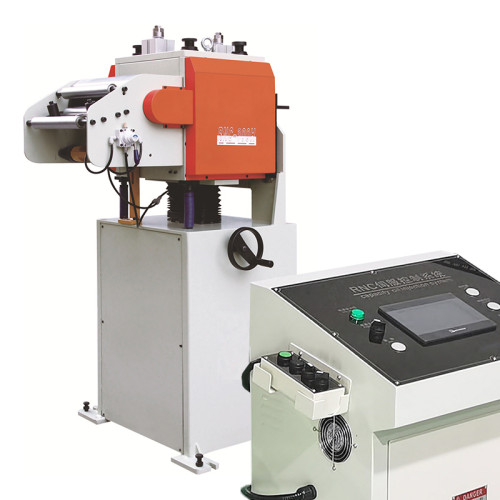
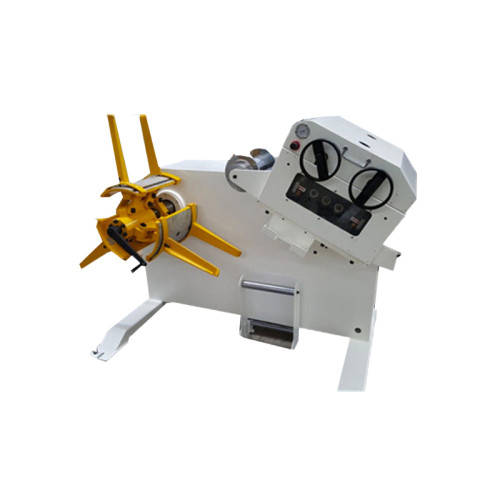
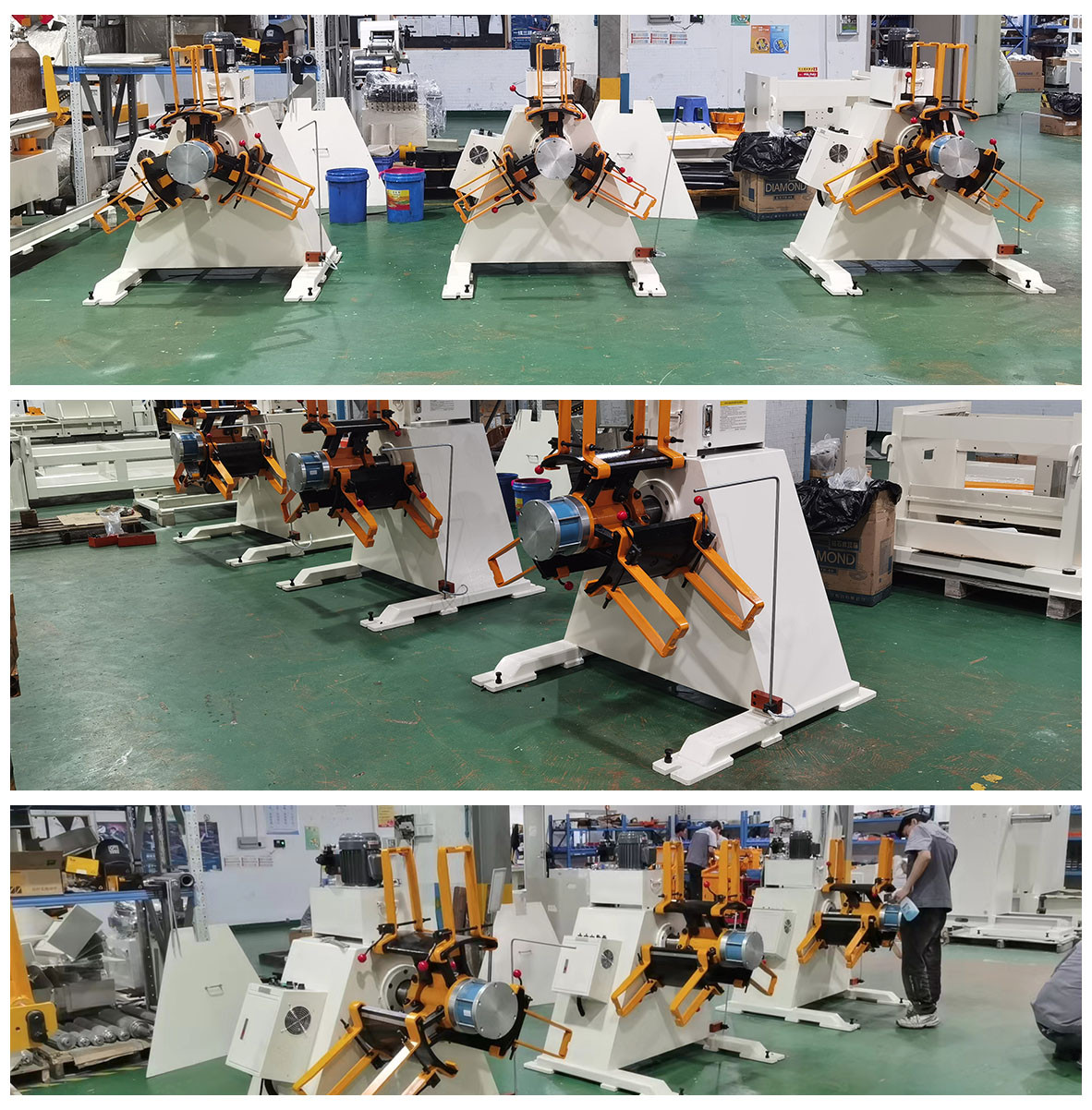
A motorized decoiler adds an electric drive motor with variable frequency control. The motor actively rotates the coil, feeding material at a controlled rate that matches downstream demand.
Hydraulic Decoiler: For Heavy-Duty 24/7 Production
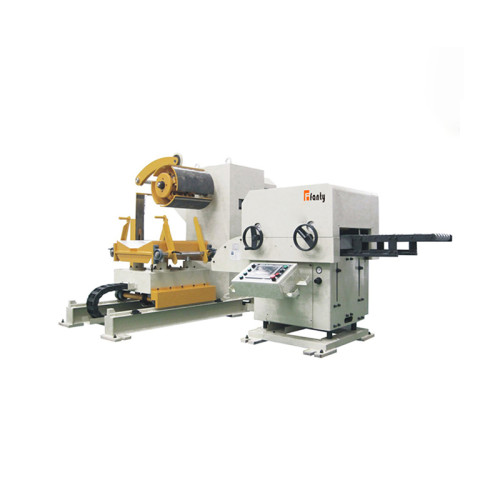
A hydraulic decoiler uses hydraulic power for mandrel expansion, coil pressing, and auxiliary functions. Built for the most demanding industrial environments, these machines handle coils from 3 to 20 tons with precision and speed.
Decision Framework
- Calculate your max coil weight. Under 500 kg → manual. 500-3,000 kg → motorized. Over 3 tons → hydraulic is your only practical option.
- Evaluate production volume. Occasional runs favor manual or motorized. Continuous high-volume production demands hydraulic reliability.
- Consider future growth. If your coil sizes will increase over time, buy one category above your current needs to avoid costly upgrades.
- Factor in labor costs. A hydraulic decoiler can pay for itself in labor savings if you change coils multiple times per shift.
Maintenance Schedule by Type
| Frequency | Task | Applies To |
|---|---|---|
| Daily | Inspect mandrel surface; clean bearing areas | All types |
| Weekly | Lubricate sliding surfaces; check belt tension | Motorized, Hydraulic |
| Monthly | Check bearing condition; inspect brake pads | All types |
| Quarterly | Replace hydraulic filter; check oil quality | Hydraulic only |
FAQ
Can I upgrade from manual to motorized later?
No — the frame, bearing system, and mandrel design are fundamentally different. It is more cost-effective to buy the right type from the start rather than pay for a second machine later.
How long does a quality decoiler last?
10-15 years or more with proper maintenance. FANTY machines use heavy-duty bearings, hardened mandrel surfaces, and industrial-grade gearboxes rated for continuous 24/7 operation.
What is the most common decoiler problem?
Bearing failure from inadequate lubrication. A simple weekly grease schedule prevents 90% of decoiler breakdowns. FANTY includes a detailed maintenance checklist with every machine.
Does a motorized decoiler need special wiring?
Most run on standard three-phase power (220V/380V/440V). FANTY provides detailed electrical specifications with each quote so you can prepare your shop floor in advance.
Related reading
- what causes coil telescoping
- how much coil weight a decoiler handles
- how to specify a decoiler for a coil line
Part of the the coil line guide library — the full library of coil handling, straightening and feeding guides from FANTY.
Need help selecting the right decoiler machine? Contact the FANTY team for a personalized recommendation based on your production requirements.