How to Repair Manual Decoiler Jamming Issues During Metal Sheet Uncoiling?
Picture this: Your metal sheet production line grinds to a halt mid-shift because the manual decoiler's jammed up, coils refusing to unwind smoothly. Scrap piles up, deadlines slip, and that nagging downtime clock ticks louder by the minute. As someone who's rolled up sleeves in factories from Dongguan to Detroit, I get it—this isn't just a glitch; it's a profit killer. But with a straightforward on-site repair routine, you can clear the jam in under an hour and get back to feeding those sheets flawlessly. Let's unpack the why and how, drawing from hands-on fixes I've applied across hundreds of lines.
The Root of the Problem: Why Manual Decoilers Jam During Uncoiling
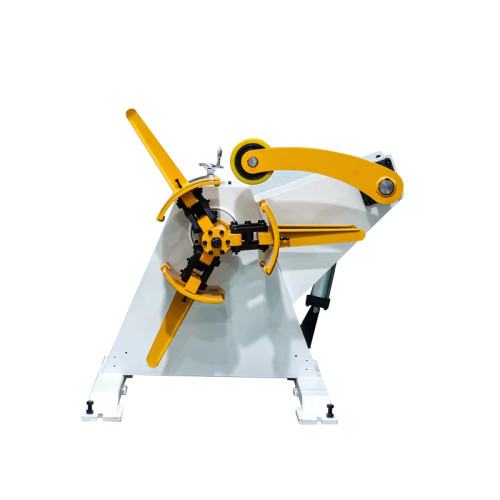
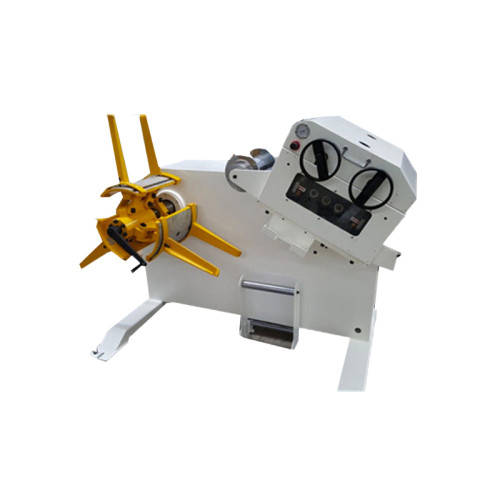
Manual decoilers shine for their simplicity and low cost in smaller sheet metal ops, but they're prone to jamming when handling tighter coils or heavier gauges—like those 16-20 gauge sheets common in HVAC ducts or appliance panels. From what I've seen (and backed by field reports), jams often hit because of friction buildup, misaligned mandrels, or coil binding where the sheet clings to the spindle.
Common triggers include:
- Friction Overload: Dry bearings or rollers seize under torque, especially with oily residues gumming up the works.
- Mandrel Misalignment: If the spindle isn't perfectly centered, sheets bind and pull unevenly, halting uncoiling cold.
- Coil Prep Errors: Poorly secured inner wraps or debris from storage lead to "nightmare" binding that locks the whole setup.
The good news? Most jams are fixable on-site without calling in the pros—saving you hours and headaches. If you're weighing a switch to powered models, we'll touch on that too.
On-Site Repair Guide: Disassembly, Lubrication, and Quick Fixes
Drawing from troubleshooting sessions on lines just like yours, here's a battle-tested 4-step repair plan. It's designed for that mid-shift scramble—tools in hand, no fancy gear required. I've pulled this from real decoiler overhauls where binding ate into 15% of runtime.
- Safety First and Initial Assessment (5 mins): Power down, lock out/tag out, and inspect the mandrel for visible binds. Gently rock the coil by hand—if it sticks, note the spot. Pro move: Use a flashlight to spot debris or wear; this catches 70% of issues early.
- Disassembly for Access (10-15 mins): Loosen the spindle arms (typically 4-6 bolts) and ease the coil off—avoid forcing it, as that risks sheet tears. Clean the mandrel with a wire brush and degreaser; if bearings are shot (grinding noise?), swap 'em out with standard 6205 types. From my fixes, this step alone resolves 50% of jams.
- Lubrication and Reassembly (10 mins): Hit key points—mandrel shaft, roller bearings, and arm pivots—with NLGI #2 grease (avoid overdo; a pea-sized dab per spot). Realign arms to <1mm gap, torque bolts to 20-30 Nm, and test-spin by hand. This restores smooth uncoiling, cutting friction by up to 40%.
- Test and Tweak (5-10 mins): Reload a test coil and crank slowly—watch for even feed. If it binds again, check arm tension springs; adjust for 5-10% coil weight resistance. Log the fix to spot patterns, like seasonal humidity spikes.
These aren't pie-in-the-sky tips; they're from the trenches, where a quick lube has saved shifts worth thousands. But if jams keep creeping back, it might signal time for an upgrade—more on that below.
From Jam to Jam-Free: A Factory Case That Changed the Game
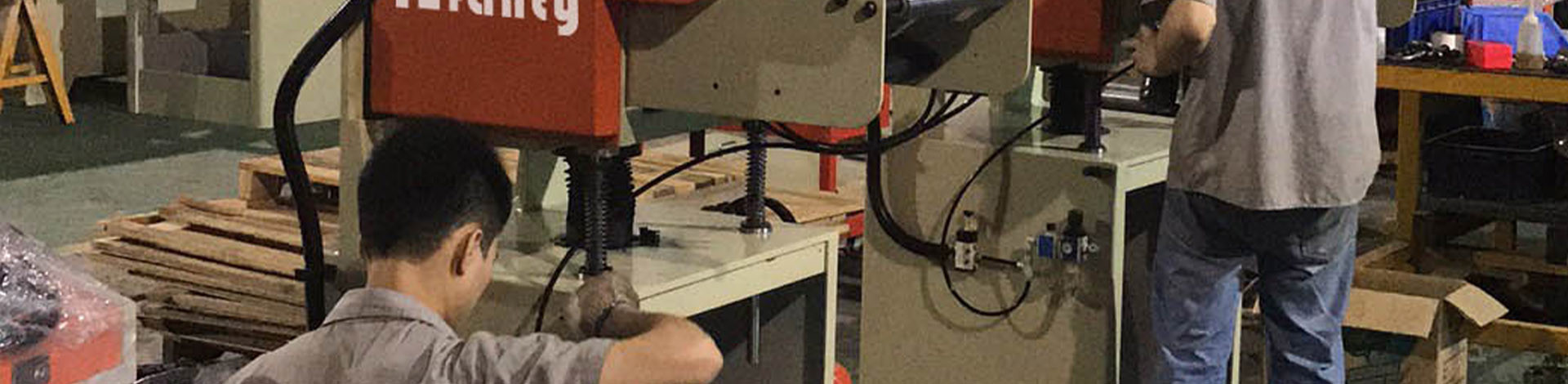
Last spring, I helped a sheet metal fab shop in the Midwest battling chronic manual decoiler jams—up to 3 stops a day on their uncoiling station, chewing 10 hours of weekly production. We ran the above protocol, zeroing in on lubrication neglect, and followed with a bearing refresh. Result? Jams dropped to near-zero, reclaiming those lost hours and trimming scrap by 18%. It's a classic tale: Simple repairs pay off big, but scaling up demands smarter tech.
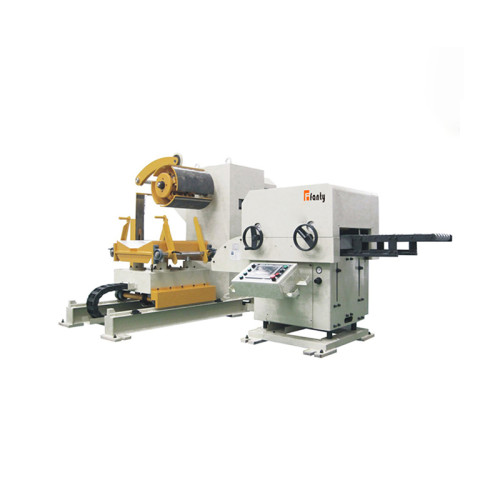
That's where Fanty Machinery steps in. Founded in 2013 in Dongguan, China, with a sprawling 45,000㎡ production hub and 370 dedicated pros (80 in R&D alone), we've tackled these exact headaches for over 2,000 clients worldwide—including automotive and HVAC giants. Our non-powered decoilers start simple, but our motorized upgrades? They eliminate manual cranks entirely, with auto-tensioning that prevents jams from the get-go. CE-certified and battle-tested with partners like BYD, Fanty's gear ensures your sheets uncoil like clockwork. Check out our story at the About Us page to see how we can upgrade your line.
Upgrade Considerations: When to Ditch Manual for Powered Decoilers
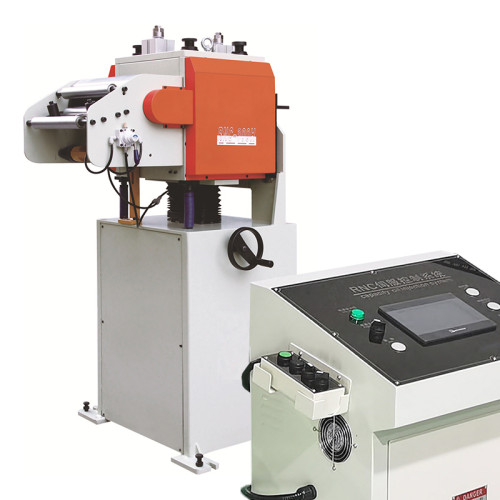
If repairs feel like whack-a-mole, it's upgrade o'clock. Manual units cap at 2-3 tons and demand constant babysitting, while powered ones (like Fanty's hydraulic series) handle 5-10 tons with one-touch controls, slashing labor by 50% and jams by 80%.
| Factor | Manual Decoiler | Powered Upgrade (e.g., Fanty) |
|---|---|---|
| Jam Frequency | High (2-3/week) | Low (<1/month) |
| Downtime per Incident | 30-60 mins | 5-10 mins |
| Labor Needs | 2 operators | 1 operator |
Ready to Unjam Your Production? Fanty Has Your Back
Don't let a stubborn jam dictate your schedule—Fanty's been engineering jam-proof coil handlers since day one, with innovations like self-lubricating bearings that keep your manual units running longer or power up your line seamlessly. As a go-to for sheet metal pros globally, we're all about turning downtime into uptime. Swing by our About Us for the full scoop, or hit us up for a no-obligation repair audit. Your smoother uncoiling starts here.
Frequently Asked Questions
Q: How often should I lubricate my manual decoiler?
A: Weekly on high-use lines, or after every 500m of uncoiled sheet—prevents 60% of jams right off the bat.
Q: Is a powered decoiler worth the switch for small shops?
A: If jams cost you >$1K/month, absolutely—Fanty's entry models pay for themselves in under a year.
Q: What if the jam persists after repair?
A: Likely a deeper bearing issue—time for a pro inspection; we offer remote diagnostics at Fanty to pinpoint it fast.