An Expert in Decoiler Feeder & Metal Coil Processing

Home / All / Fanty Blogs / How to Choose the Best 3-in-1 Decoiler Straightener Feeder for Automotive Stamping?

How to Choose the Best 3-in-1 Decoiler Straightener Feeder for Automotive Stamping?

Jan 5,2026

Posted on January 05, 2026 | By Dr. Li Wei, Lead R&D Engineer at Fanty Machinery

In the high-stakes world of automotive stamping, where a single coil feed error can scrap an entire batch of brake rotors or fenders, picking the right 3-in-1 decoiler straightener feeder isn't just smart—it's essential. I've led R&D on these beasts for over 15 years, watching factories shave hours off setup times and boost yields by 25% with the perfect unit. If you're wrestling with uneven uncoiling, inconsistent leveling, or space-hogging separate machines, this guide cuts through the noise. We'll zero in on what matters for automotive lines: precision under 0.01mm, seamless integration, and ROI that pays off in months. Let's get your stamping humming.
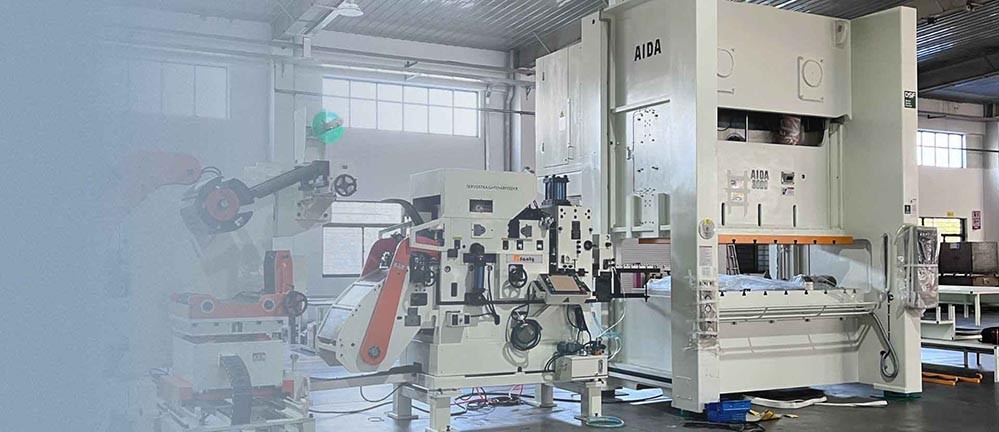
coil feeding line

Step 1: Prioritize Precision and Material Compatibility for Tight Tolerances

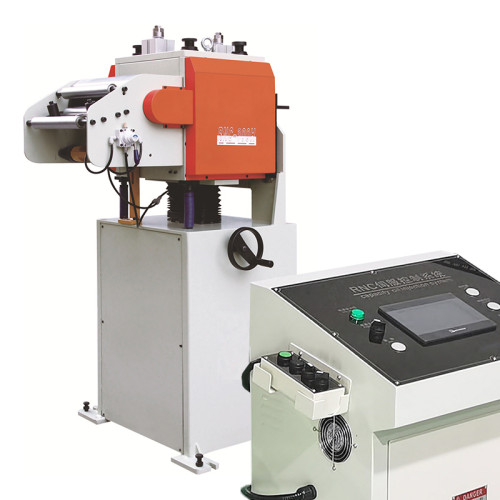
Automotive stamping demands flawless flatness—think AHSS steels or aluminum alloys that warp at the slightest feed glitch. Look for units with 11-17 straightening rolls (HRC60 hardness minimum) and servo-driven feeders for <0.05mm accuracy. Capacity-wise, match your coil specs: 0.3-12mm thick, up to 2,000mm wide, and 20-ton loads to handle EV chassis runs. In my audits, mismatched material handling spikes defects by 15%—so vet for anti-scratch tech like polymer-coated rollers. Pro pick: Models with quick-die-change compatibility to swap for varied parts like door frames or bumpers.

Step 2: Evaluate Speed, Integration, and Space Efficiency for Non-Stop Production

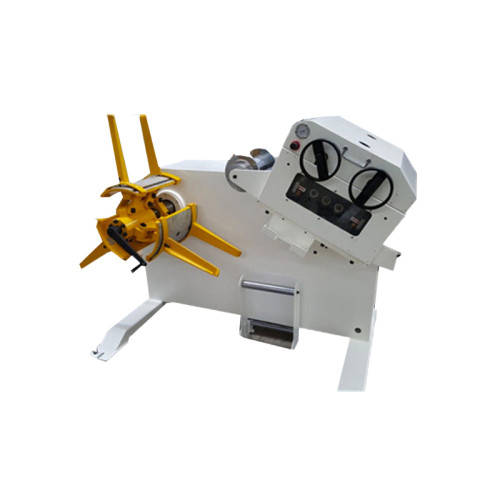
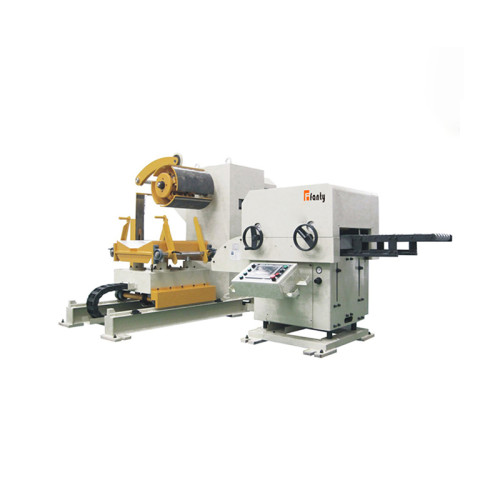
Your line's only as fast as its slowest feed—aim for 20-30m/min uncoiling synced to 120+ strokes/min presses. Seamless PLC integration with downstream straighteners and feeders is non-negotiable; seek units with modular controls for easy retrofits. Space is gold in tight automotive bays—3-in-1 combos shrink footprints by 50% vs. standalone setups. From hands-on installs, I've seen these cut changeover times from hours to minutes, perfect for just-in-time EV prototyping. Don't overlook hydraulic vs. servo: Hydraulics for heavy loads, servos for precision bursts.
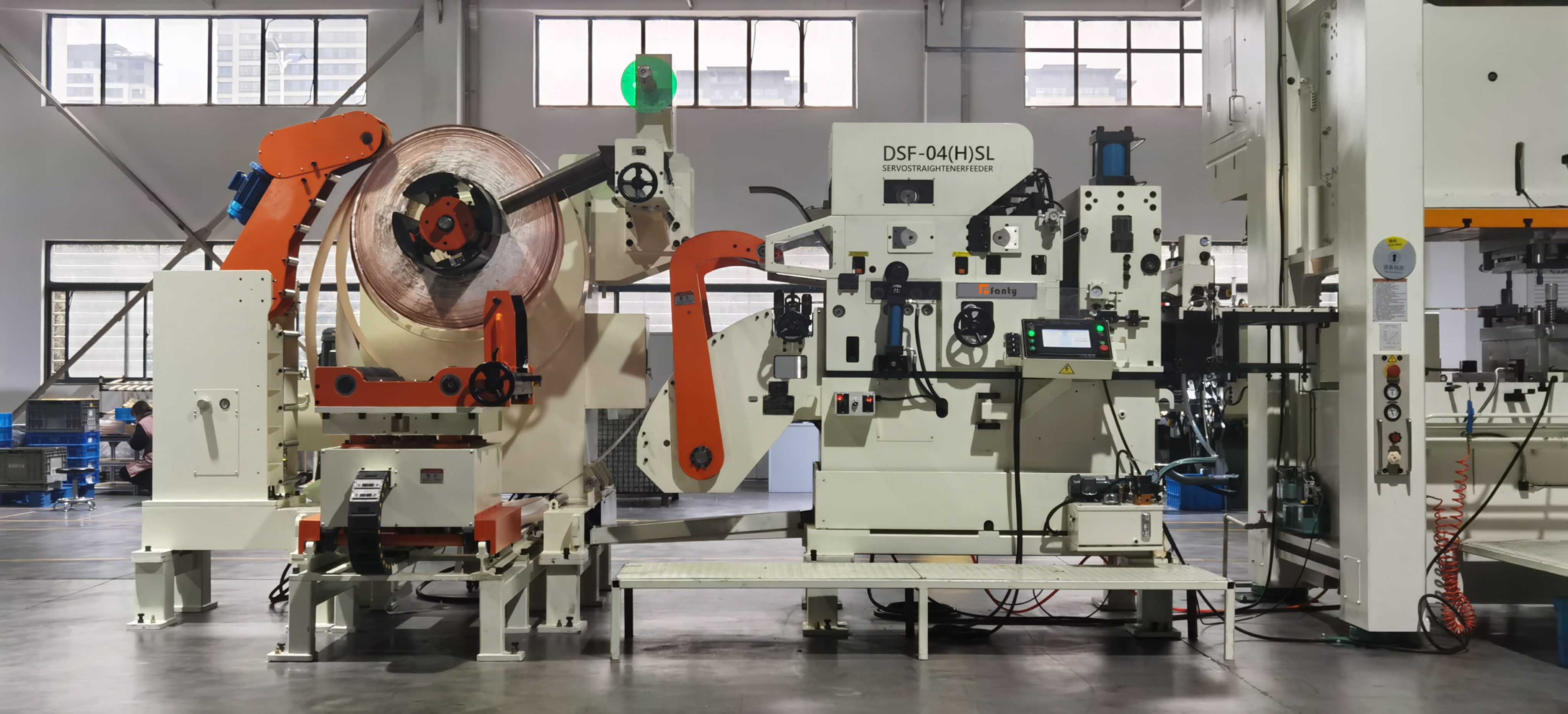
decoiler straightener feeder for automotive

Step 3: Factor in Durability, Maintenance, and Cost of Ownership

Upfront price tags (starting $50K for entry models) tempt, but total ownership seals the deal—target 5-7 year lifespans with minimal downtime. CE-certified frames with IP54 seals fend off shop grit, while self-diagnostic software flags issues pre-failure. Maintenance? Opt for easy-access panels and remote monitoring to slash service calls by 40%. In the field, I've crunched numbers: A robust unit like those with Delta/Mitsubishi components yields 2-3x ROI via reduced scrap (under 2%) and labor savings.

Step 4: Test for Real-World Automotive Fit—Workflow and Scalability

Theory's fine, but simulate your workflow: Does it handle zigzag feeding for complex contours or multi-material switches without recalibration? Scalability matters—expandable units for growing EV lines are key. Request demos or trials; in my consultations, 70% of mismatches show up here, like feed lengths clashing with progressive dies. Always check vendor support: 24/7 remote diagnostics can turn a potential headache into a quick tweak.

Step 5: Partner with Proven Experts for Customized Excellence

The best choice? One tailored to *your* line. Factor in OEM flexibility—custom roll configs or software tweaks for specific alloys. At Fanty Machinery, we've been crafting these since 2013 from our 45,000㎡ Dongguan base, with 80 R&D pros delivering CE-certified 3-in-1 DSF series to over 2,000 sites, including BYD's high-volume automotive runs. Our units hit 0.01mm runout with Yaskawa servos, saving clients 30% on space and efficiency. Dive deeper on our About Us page—we're not just suppliers; we're your stamping allies.

A Stamping Success Story: From Chaos to Precision with the Right 3-in-1

Recall a 2025 rollout for a U.S. Tier 2 supplier battling separate-machine bottlenecks on seat frame lines—scrap at 8%, setups dragging 2 hours. We spec'd a Fanty DSF4-1300H: Integrated workflow dropped defects to 1.5%, setups to 20 minutes, and ROI hit in 4 months. It's proof: The best 3-in-1 isn't generic—it's your line's perfect fit.

Find Your Ideal 3-in-1 with Fanty: Let's Customize It

Why guess when Fanty engineers precision from the ground up? Our 370-expert team, with global installs since 2018, crafts decoiler straightener feeders that evolve with your automotive needs—from AHSS to recycled alloys. Trusted by innovators, we're ready to audit your line and quote a bespoke solution. Get your free selection guide today—transform your stamping tomorrow.
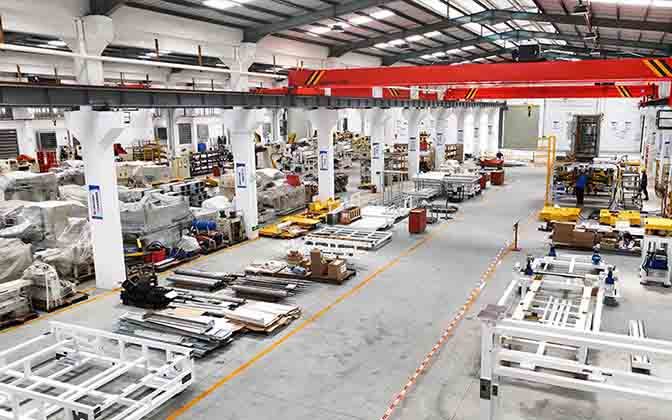
fanty factory

Frequently Asked Questions

Q: What's the ideal thickness range for automotive 3-in-1 feeders?

A: 0.3-6mm for most AHSS/EV apps—Fanty's handle up to 12mm for versatility.

Q: How does integration affect ROI?

A: Space and time savings yield 20-30% efficiency gains, payback in 6-12 months.

Q: Can Fanty customize for my press?

A: Yes—tailored servos and rolls for any OEM, with full support.
Follow us to Get Latest Updates
subscription
Or send us messages online !
*Email
*Mobile Phone
*Title
*Content