How Do Decoiler Machines Contribute to Sustainable Metal Fabrication?
Posted on January 26, 2026 | By Maria Gonzalez, Sustainability & Process Engineer at Fanty Machinery
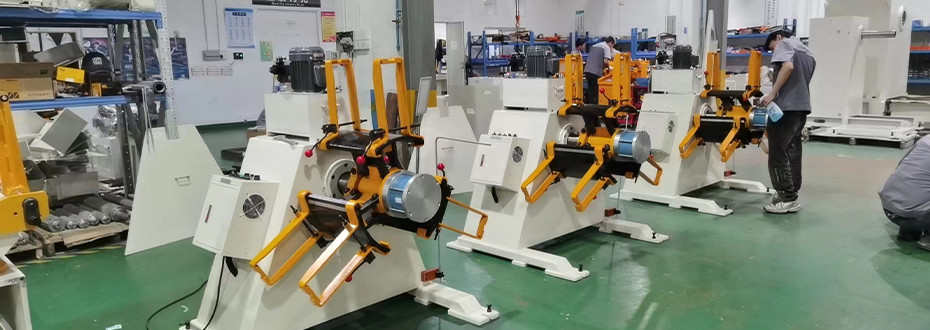
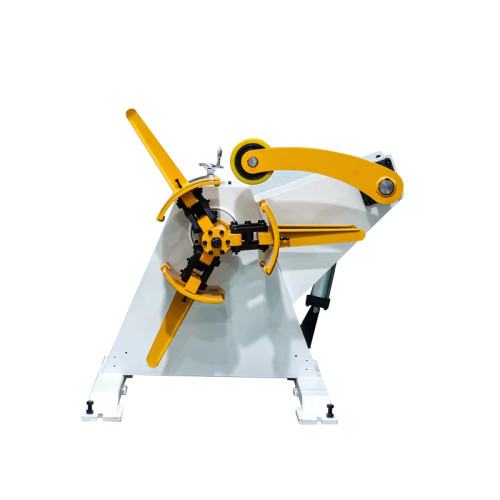
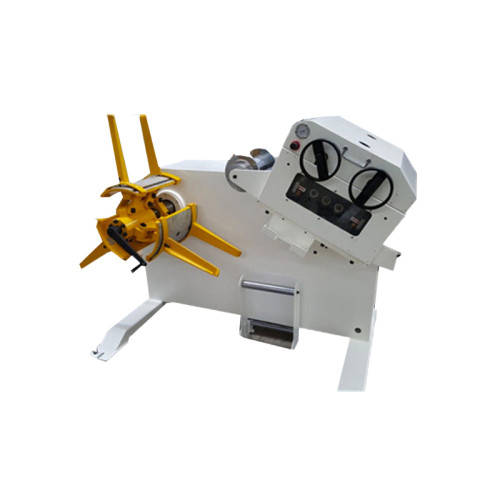
Sustainability in metal fabrication isn't just a buzzword anymore—it's a business imperative. With rising material costs, stricter emissions regulations, and customers demanding greener supply chains, every piece of equipment must pull double duty: perform better and lighten the environmental footprint. After auditing dozens of stamping and roll-forming lines over the past few years, one machine consistently emerges as a quiet sustainability champion: the decoiler (or uncoiler). When properly selected and maintained, a good decoiler doesn't just unwind coils—it directly reduces waste, cuts energy consumption, minimizes scrap, and supports circular material flows. Here's how it happens in real factories, and why upgrading your decoiler setup could be one of the highest-ROI sustainability moves you make in 2026.
1. Dramatically Lower Material Waste Through Precise Tension & Alignment
Poor tension control is one of the largest hidden sources of scrap in coil-fed lines—material stretches, buckles or tears, sending good steel to the bin. Advanced decoilers with closed-loop tension systems (servo brakes + ultrasonic/loop sensors) maintain consistent payout, reducing edge damage and coil-end waste by 20–40% compared to manual or basic pneumatic units. In one Ohio appliance stamper I worked with, switching to a servo-controlled decoiler dropped their annual scrap from 7.2% to 2.8%—that's over 18 tons of steel saved per year, keeping it out of landfills and off the carbon ledger.
2. Enable Higher Use of Recycled & High-Strength Scrap Steel
Recycled steel requires more careful handling due to inconsistent yield strength and potential surface defects. Modern decoilers with anti-scratch polymer rollers, variable-speed drives, and automatic centering arms allow fabricators to safely process higher percentages of scrap and secondary steel without quality loss. This directly lowers the embodied carbon of your parts (primary steel production emits ~1.85 t CO₂/t vs. ~0.4 t for recycled). Clients using our Fanty heavy-duty models routinely run 60–85% recycled content on automotive brackets—cutting their material carbon footprint by 30–50% while maintaining tight tolerances.

3. Slash Energy Consumption with Efficient Drive Systems
Older decoilers with constant-speed AC motors or hydraulic pumps waste energy even when idling. 2025–2026 designs use IE4/IE5-class servo or variable-frequency drives that consume power only when actually paying out material—often 40–65% less electricity than legacy units. Regenerative braking on heavy coils returns energy to the grid. In a Midwest roll-forming plant we retrofitted, switching to a Fanty servo decoiler reduced coil-handling energy by 52% annually—equivalent to taking 14 cars off the road in CO₂ terms.
4. Extend Equipment Life & Reduce Replacement Waste
Sustainability includes longevity. High-quality decoilers built with hardened HRC60+ rollers, sealed bearings, and corrosion-resistant frames last 12–18 years instead of 5–8, drastically cutting embodied carbon from new machine production. Predictive maintenance via IoT sensors (standard on our latest models) catches wear early, avoiding catastrophic failures and premature disposal. One client extended their decoiler fleet life by 7 years—avoiding ~$280,000 in replacement purchases and the associated manufacturing emissions.
Real-World Impact: A Sustainability Turnaround Story
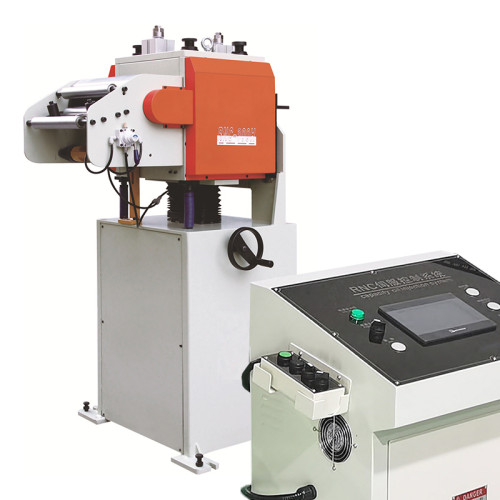
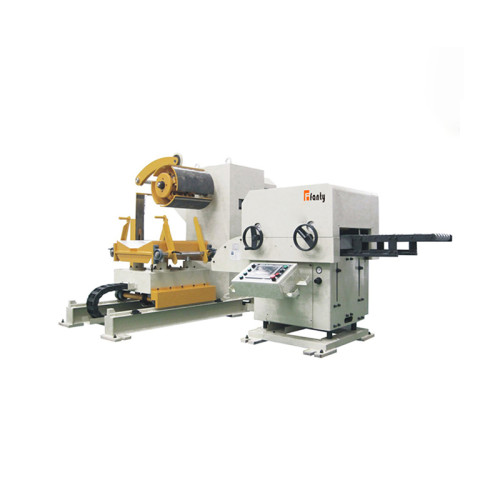
In late 2024, an Indiana automotive Tier-2 supplier was under pressure to hit Scope 3 carbon targets. Their aging pneumatic decoilers were generating 12% scrap and high energy draw. We installed two Fanty hydraulic-servo decoiler straightener feeders with tension feedback and energy-regen drives. Outcome: scrap fell to 3.1%, coil-handling energy dropped 48%, recycled content rose from 35% to 72%, and they qualified for additional green incentives. Annual carbon savings: ~420 metric tons CO₂e. That's the kind of measurable progress that moves the needle—and it's repeatable.

How Fanty Helps Manufacturers Build Greener Lines
At Fanty Machinery — founded in 2013 in Dongguan, China, with a 45,000 m² production campus and a team of 370 (including 80 dedicated R&D engineers) — sustainability has been core to our design philosophy for years. Every decoiler we ship today includes:
- IE4/IE5 efficiency-class motors and regenerative braking
- Precision tension systems optimized for high recycled-content coils
- Extended-life components (HRC60+ rollers, sealed bearings)
- IoT-ready predictive maintenance to maximize uptime & lifespan
- CE certification and full material traceability documentation
Right now (Q1 2026), we're offering a Free Sustainability & ROI Audit for coil processing lines — including carbon footprint estimate, scrap & energy baseline, and customized upgrade path. Many clients recover the audit value in under 60 days after implementation.
Claim My FREE Green Audit & Quote →
Response within 24 hours • No obligation • Confidential
Quick Self-Assessment: Is a Decoiler Upgrade Right for Your Sustainability Goals?
- Scrap from coil feed >4–5%?
- High recycled-content coils causing more defects?
- Energy bills for coil handling rising faster than production?
- Pressure from customers or regulations to cut Scope 3 emissions?
- Plans to increase output without expanding footprint?
If you answered YES to 3+ questions — a modern decoiler upgrade could deliver both environmental wins and strong financial returns. Let's quantify yours together.