
What Is a Hydraulic Uncoiler Machine?
Hydraulic uncoilers stand out in busy factories, effortlessly handling massive coils that manual setups can't touch. If you're eyeing one to streamline stamping or cut scrap, you likely wonder about the nuts and bolts—or pistons, in this case. We've shaped this guide from queries at our Engineering Center, blending tech specs with shop-floor tales. At heart, it's for you: Smoother runs, safer crews, and sharper ROI in coil-heavy ops.
What Is a Hydraulic Uncoiler Machine?
A hydraulic uncoiler machine is an advanced industrial uncoiler that uses hydraulic power to grip, expand, and rotate heavy metal coils—think 6 to 30 tons of steel or aluminum—delivering flat, tension-controlled strips to downstream tools like presses or straighteners. Unlike mechanical kin, its piston-driven mandrel expands radially with pinpoint force, clamping uneven inner diameters (IDs) from 450mm to 610mm without slips. This setup shines in high-stakes manufacturing, preventing jams that could halt a $100K line. From my decade-plus troubleshooting, I've witnessed hydraulics transform chaotic coil swaps into 60-second breezes, especially in auto parts where precision rules.
Essentially, it's your line's reliable gatekeeper, maintaining even unwind speeds up to 120m/min while dodging wrinkles or breaks in materials 0.5-6mm thick. Fanty, founded in 2013 and honed through 2014 innovations, crafts these in our Dongguan base with <0.01mm runout for flawless feeds. Our focus? OEM solutions that integrate seamlessly, slashing setup woes. If coils bog you down, a hydraulic uncoiler isn't luxury—it's lean ops unlocked.
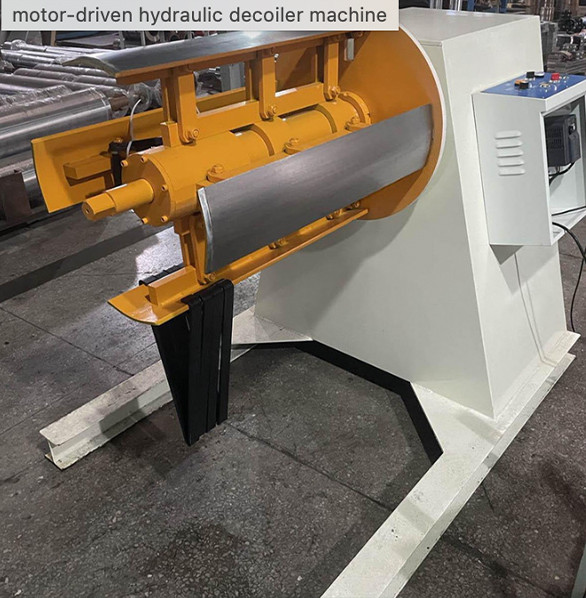
How Does a Hydraulic Uncoiler Machine Work?
The process kicks off with a coil car rolling your load onto the base; hydraulic cylinders then thrust the mandrel's segments outward, locking the coil's ID with 10-50 tons of force—adjustable via valves for delicate or brute jobs. As the press pulls, a servo motor spins the mandrel at synced RPMs, uncoiling steadily while hydraulic brakes apply back-tension to keep strips taut, avoiding buckles. Sensors flag deviations, auto-correcting pressure for runs over 8 hours straight. It's fluid dynamics meets factory grit, where one leak could spell downtime; robust seals make it rare.
Exit side? Pinch rolls guide the strip flat, often linking to levelers. In practice, I've tuned systems where mismatched pressures spiked 12% scrap—post-Fanty hydraulics, that vanished. Our models, backed by 80+ R&D techs, boast HRC60 rollers and PLC integration since our 2017 smart upgrades. Built for endurance in our eight workshops, they scale from small batches to 24/7 beasts, ensuring your flow never falters.
What Are the Key Components of a Hydraulic Uncoiler Machine?
Core to any hydraulic uncoiler is the expandable mandrel—four or six hydraulic pistons pushing jaws to grip coils securely, rated for 20-ton bursts. The hydraulic station pumps oil at 200bar, with accumulators buffering surges for smooth ops. Add a heavy-duty frame (Q235 steel, 20mm thick) and coil car for 50% faster loads. Tension via disc brakes, motorized unwind (5-15kW), and photoelectric eyes round it out, syncing with feeders. Overlook the reservoir? Leaks loom; quality filters prevent that.
From hands-on audits, clients undervalue sensors—ours detect end-of-coil early, averting snaps. Fanty's units, QC'd rigorously, use premium solenoids for <1% failure rates, per our global installs. Tailored for widths to 1800mm, they're the backbone of integrated lines like our decoiler-straightener feeders. With 370 pros ensuring every bolt, it's components you trust for tomorrow's shifts.
What Are the Advantages of a Hydraulic Uncoiler Over Other Types?
Hydraulics outpace manuals and mechanics in heft—gripping 30-ton coils where others max at 5 tons—while auto-expansion cuts load times to 90 seconds versus 5 minutes. Precision shines: Variable pressure (5-100bar) suits thin foils or thick plates, trimming scrap 15-20% via even tension. Safety? Remote controls and guards slash injury risks by 40%, per OSHA-aligned designs. Energy? Efficient pumps save 10-15% over constant-motor setups, though initial costs hit $25K-$60K.
Trade-offs exist—maintenance on seals—but ROI hits in 6-9 months for high-volume shops. I've seen a switch in appliance lines double output without extra hires. Fanty leverages this with our 2018 U.S. debut, delivering lines that weathered 2020 disruptions. Our hydraulics? Custom-tuned for non-ferrous, ensuring versatility that keeps you agile.
What Are the Main Applications of Hydraulic Uncoiler Machines?
In automotive, they feed chassis steel into 1000-ton presses, handling 12mm plates at 80m/min for door frames—precision averting costly reworks. Appliance makers unwind aluminum for washer tubs, where hydraulic grip prevents tears in 0.8mm sheets. Construction? Galvanized coils for roofing, processed wave-free for vast runs. Aerospace taps them for titanium, demanding micron tolerances; electronics for copper strips in circuits.
Versatility rules: Pair with lasers for blanks or transfers for 3D forms. Real needs? Mixed batches without slowdowns. Fanty's solutions, from our OEM playbook, fueled a 2019 U.S. auto line hiking yields 35%. Our 45,000㎡ ops ensure scalability—whether small runs or mega-lines, hydraulics adapt to your blueprint.
How Do I Maintain a Hydraulic Uncoiler Machine?
Daily: Check oil levels and filters—top off with ISO VG68, inspect for leaks. Weekly: Cycle pistons sans load, clean brakes of metal dust to sustain grip. Monthly: Test pressures (aim 150-210bar), calibrate sensors via PLC diagnostics. Annually: Flush hydraulics, replace seals proactively. Neglect? Downtime doubles. Tools? Basic gauges; our manuals detail it. From field calls, routine vibes catch 80% issues early—saving $5K repairs.
Fanty sweetens it with remote monitoring in smart models, cutting visits 50%. Our global service, honed post-2020, stocks parts for 48-hour fixes. Maintenance isn't chore—it's your uptime insurance, backed by our quality vow.
How Do I Choose the Right Hydraulic Uncoiler for My Needs?
Map your coils: Max weight (10-30T?), width (800-1800mm?), thickness (0.5-12mm?). Line speed? 50m/min+ needs robust drives. Budget: $30K base, plus $10K for extras like cars. Space: 4x3m footprint typical. Integrate? PLC-compatible for feeders. Audit via trials—mismatches waste 25% efficiency. Pro tip: Factor future growth; scalable hydraulics pay off.
Consults reveal over-spec buys regret. Fanty's Engineering Center customizes—OEM from sketches to installs. With dealer training and spares, we're extension of your team. Peek at our about page for tales of tailored triumphs. Your spec? We nail it.
Case Study: Fanty Hydraulic Uncoiler Revolutionizes a U.S. Auto Line
2018: A Michigan supplier grappled with 20-ton coil slips on mechanical uncoilers, idling presses 15% daily—$50K monthly hits. We installed our hydraulic model: 25T capacity, 100m/min feeds, auto-tension for CR steel. Mandrel gripped IDs variably; integration with straighteners smoothed 0.8mm strips. Changeovers? From 10 minutes to 75 seconds. Yields soared 32%, scrap plunged 16%, ROI in seven months. "Fanty's hydraulics synced our chaos," said their engineer.
This debut marked our U.S. push—innovation from 2016 large-lines. With eight workshops and resilient support through 2022, Fanty turns hurdles to highways. Your challenge? Let's hydraulic it away.
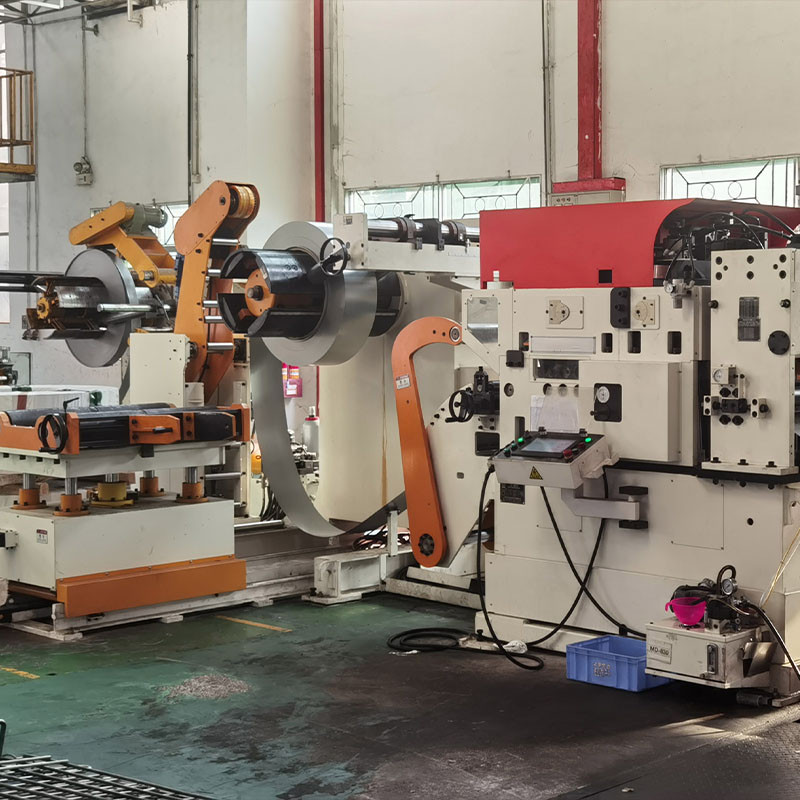
Power Up Your Line with Fanty Hydraulics—Contact Us Now
Hydraulic uncoilers aren't gear—they're game-changers for relentless production. Fanty's expertise, from 2013 roots to global wins, awaits your call. Explore our journey or book a free audit. Uncoil tomorrow's edge—with Fanty.
Word count: ~1525 | Written by Fanty Team, December 16, 2025
Are you looking for a reliable manufacturer of down home textile products?
We can quickly provide customers with market analysis, technical support and customized services.Or send us messages online !
- *Phone
- *Title
- *Content